Post Disclaimer
Disclaimer: This content is for educational purposes only, not medical advice. Always consult with a doctor before making significant changes to your diet, especially if you have pre-existing health conditions.
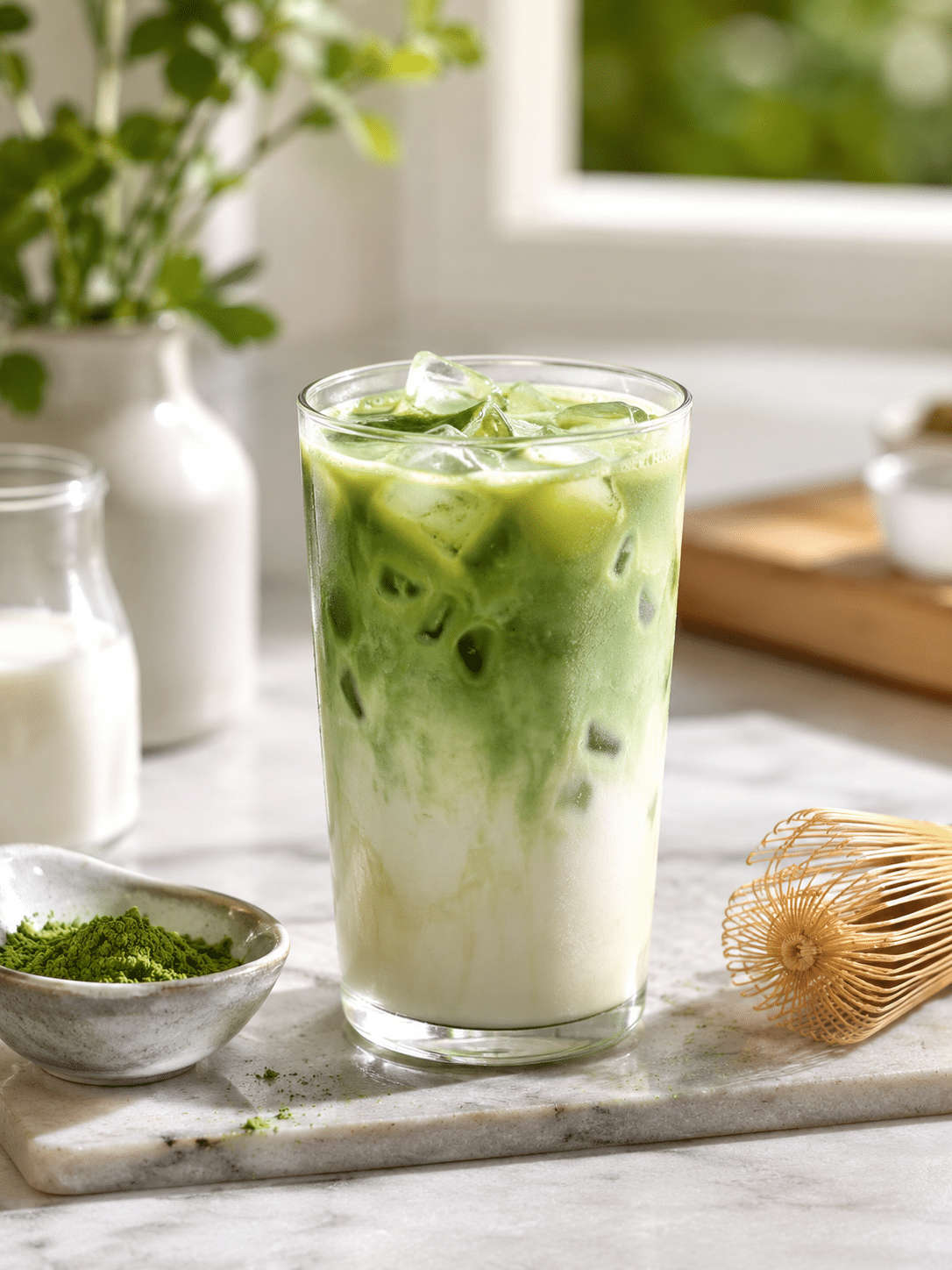
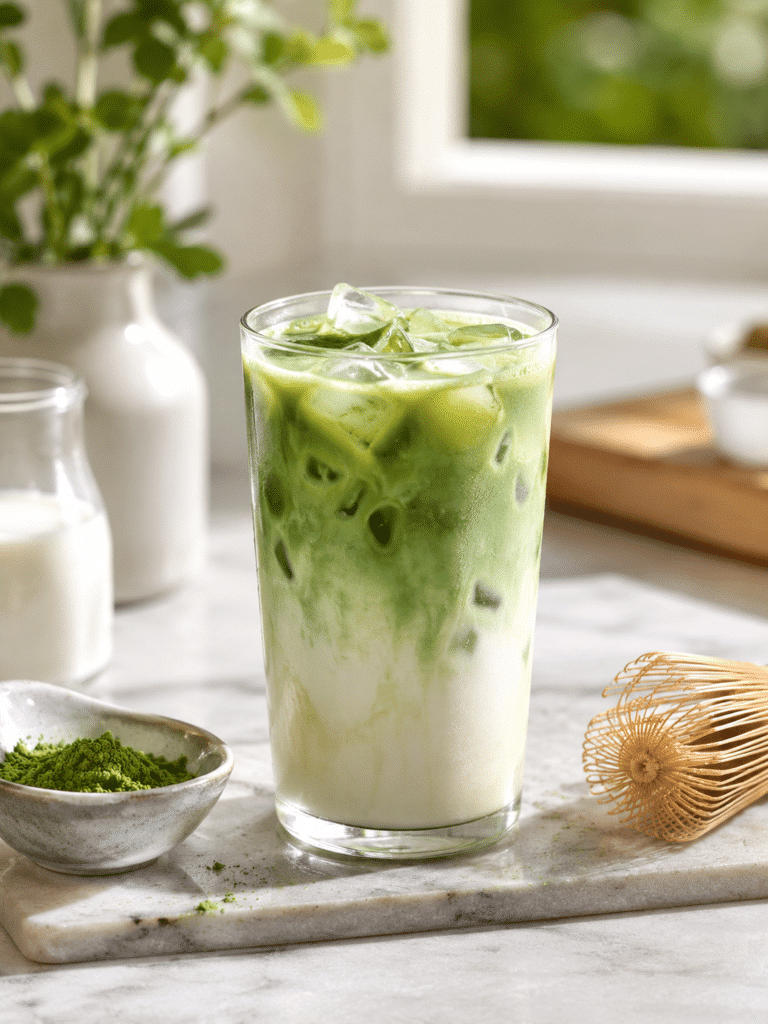
Most servings of matcha contain about 38–70 mg of caffeine, depending on how much powder you use. If you’re asking how much caffeine in matcha, the simplest answer is this: one teaspoon usually lands near a mild cup of coffee, but below most brewed coffee servings.
I still remember the first afternoon I swapped my usual iced coffee for a little green bowl of matcha. The color alone made me smile. It looked calm, fresh, and almost too pretty to drink. But then I took that first sip and wondered the same thing so many readers ask me now: how much caffeine in matcha, really? It tasted smoother than coffee, but I could definitely feel a gentle lift.
In my kitchen, I’ve found that matcha feels different because you drink the whole powdered leaf, not just steeped tea water. That’s why the answer to how much caffeine in matcha depends so much on your scoop. A half teaspoon makes a soft morning drink. One teaspoon gives you a classic cup. Two teaspoons can make a stronger latte that starts to feel closer to coffee.
Matcha is a finely ground green tea powder, and the traditional drink has roots in Japanese tea culture; you can read more about matcha as a powdered green tea. For home cooks, though, the useful part is simple: matcha powder gives you flavor, color, and caffeine all at once. When someone asks how much caffeine in matcha powder, I always ask, “How much powder are you whisking?”
After making matcha dozens of times for recipe testing at Cheflora Recipes, I’ve noticed that people often compare it to coffee, green tea, and café drinks. That’s smart. Caffeine in matcha vs coffee matters when you’re choosing a morning drink, an afternoon pick-me-up, or a cozy latte that won’t keep you staring at the ceiling at night. And yes, how much caffeine in green tea is a different question because regular green tea uses infused leaves, while matcha uses powdered tea leaves.
A reader named Mia once told me, “Chef Lora, I thought matcha was basically herbal tea until I made a double scoop latte before class.” That made me laugh, but it’s also the perfect reminder. Does matcha green tea have caffeine? Absolutely. It’s not caffeine-free, and the caffeine content of matcha powder can surprise you when the spoon gets generous.
If you’re making drinks at home, this guide will help you understand how much caffeine in matcha, how it compares to coffee, and what changes when you turn it into a latte. I’ll also cover café-style drinks, including how much caffeine in matcha Starbucks drinks and why the number can change by size, powder blend, and recipe. For a lighter no-caffeine option on days when you want something refreshing, I love pointing readers toward my cucumber mint water because it keeps that fresh green feeling without the tea buzz.
Table of Contents
Key Takeaways
- How much caffeine in matcha depends mostly on the amount of powder, not the water or milk.
- One teaspoon of matcha powder usually contains about 38–70 mg caffeine.
- A matcha latte often has the same caffeine as the matcha powder used, unless the café adds more scoops.
- Coffee usually has more caffeine than matcha per standard serving.
- Regular green tea usually has less caffeine than matcha because the leaves steep in water instead of becoming part of the drink.
- Starbucks-style matcha drinks can vary by size and location, so it’s best to check the menu nutrition page before ordering.
- Matcha feels popular with Gen Z because it looks beautiful, tastes customizable, and fits iced latte culture.
What is the caffeine content of matcha powder?
How much caffeine in matcha? A typical homemade serving contains about 38–70 mg caffeine per teaspoon of matcha powder. The exact amount changes by tea grade, growing method, serving size, and scoop weight. More powder means more caffeine, while milk, ice, or water changes volume but not caffeine.
Why does matcha powder have caffeine?
The easiest way to understand how much caffeine in matcha is to remember that matcha is powdered green tea leaf. With regular green tea, you steep the leaves and remove them. With matcha, you whisk the powder right into the liquid and drink it. That means you get more of what the leaf contains, including caffeine, flavor compounds, and that bold grassy color.
In my kitchen, I usually treat one level teaspoon as a standard everyday serving. That’s a good starting point for anyone comparing the caffeine content of matcha powder to coffee or tea. If you use ceremonial matcha, the flavor may taste smoother and sweeter. If you use culinary matcha, it may taste stronger or more earthy. Either way, how much caffeine in matcha powder still comes back to the amount you scoop into the bowl.
Here’s the part people miss: teaspoons are not always equal. A fluffy teaspoon may weigh close to 1.5 grams, while a packed teaspoon may reach 2 grams or more. That matters because how much caffeine in matcha rises with the grams of powder. If you’re sensitive to caffeine, measure with a small kitchen scale once or twice. It’ll teach your eye what your favorite serving really looks like.
The U.S. Food and Drug Administration notes that caffeine affects people differently, and for most adults, about 400 mg a day is not usually linked with harmful effects, but teens and caffeine-sensitive people should be more cautious with serving size and timing according to the FDA’s caffeine guidance.
Matcha caffeine table for home servings
When readers ask how much caffeine in matcha, I like giving a range instead of one hard number. Tea is an agricultural ingredient, not a lab-made powder with identical batches. Still, these numbers are helpful for home drinks, especially if you’re making an iced matcha latte or comparing how much caffeine in green tea to matcha.
| Matcha Amount | Approximate Powder Weight | Estimated Caffeine |
|---|---|---|
| 1/2 teaspoon | 1 gram | 20–35 mg |
| 1 teaspoon | 2 grams | 38–70 mg |
| 1 1/2 teaspoons | 3 grams | 60–105 mg |
| 2 teaspoons | 4 grams | 80–140 mg |
That table shows why the question how much caffeine in matcha can have more than one answer. A gentle matcha drink and a strong double-scoop latte are not the same thing. The milk can make the drink taste softer, but it doesn’t erase the caffeine from the powder. Sweetener can make it feel dessert-like, but it also doesn’t lower caffeine.
For a lighter drink day, you can make matcha with half a teaspoon and pair it with something fruity later, like my blueberry lemonade. That way, you still get the taste ritual in the morning without stacking caffeinated drinks all afternoon. After making this for friends who wanted “just a little boost,” I’ve found half-strength matcha is often enough.
How much caffeine in matcha vs coffee?
How much caffeine in matcha vs coffee? Matcha usually has less caffeine than coffee. One teaspoon of matcha often has 38–70 mg caffeine, while an 8-ounce brewed coffee often sits closer to 80–120 mg. A strong coffee or large café drink can climb much higher than matcha.
Does coffee have more caffeine than matcha?
Most of the time, yes, coffee has more caffeine than matcha. When people ask does coffee have more caffeine than matcha, I answer with serving size first. A small homemade matcha made with one teaspoon of powder usually has less caffeine than a standard mug of brewed coffee. But a double matcha latte can overlap with a lighter coffee.
That’s why caffeine in matcha vs coffee works best as a range, not a contest. Coffee beans, brew method, cup size, and café recipes all change the number. Espresso feels strong because the flavor is concentrated, but one shot often has less caffeine than a big mug of drip coffee. Matcha works the same way. A small bowl can feel gentle, while a tall iced latte with extra powder can feel much stronger.
In my own routine, coffee feels quick and bold. Matcha feels slower and smoother. That doesn’t mean matcha has no caffeine. It means the experience can feel different even when the numbers are close. When someone asks how much caffeine in matcha, they’re usually not only asking for milligrams. They’re asking, “Will this wake me up?” or “Will this make me jittery?” That answer depends on your body, your breakfast, and the amount of powder.
A reader named Jordan told me, “I switched from a huge cold brew to matcha and finally stopped crashing before lunch.” That makes sense for some people because matcha servings can be smaller in caffeine than coffee. Still, if you’re stacking a matcha latte, cola, chocolate, and coffee in one day, caffeine can add up quickly.
Is matcha higher in caffeine than coffee?
Matcha is usually not higher in caffeine than coffee when you compare standard servings. The phrase is matcha higher in caffeine than coffee gets tricky because people compare different drink sizes. One teaspoon of matcha may contain less caffeine than an 8-ounce coffee, but two teaspoons of matcha can come close to a smaller cup of coffee.
Here’s a simple comparison:
| Drink | Common Serving | Estimated Caffeine |
|---|---|---|
| Brewed coffee | 8 ounces | 80–120 mg |
| Matcha tea | 1 teaspoon powder | 38–70 mg |
| Strong matcha | 2 teaspoons powder | 80–140 mg |
| Regular green tea | 8 ounces | 20–45 mg |
This table also helps answer how much caffeine in green tea. Regular green tea usually lands below matcha because you steep the leaves and remove them. Matcha keeps the whole powdered leaf in your cup. That’s why how much caffeine in matcha is often closer to coffee than regular green tea is.
For warm-weather sipping, I’ll sometimes make a half-caf matcha moment by using less powder, then switch later to something bright and caffeine-free like dragon fruit lemonade. It feels special without turning the whole day into a caffeine marathon. That balance matters, especially if you drink matcha because it looks calming but forget it still has a real kick.
How much caffeine in matcha latte?
A matcha latte usually contains 38–140 mg caffeine, depending on whether it uses one or two teaspoons of matcha powder. Milk, ice, and sweetener do not add caffeine unless they contain chocolate, tea, or coffee. So how much caffeine in matcha latte mostly depends on powder.
What changes when matcha becomes a latte?
When people ask how much caffeine in matcha latte, they often think the milk changes the caffeine. It doesn’t. Milk changes the texture, color, sweetness, and body of the drink, but the caffeine comes from the matcha powder. If your latte uses one teaspoon, it usually has the caffeine of one teaspoon. If your latte uses two teaspoons, it has roughly double.
That’s why café matcha can taste mild but still carry a noticeable amount of caffeine. A creamy iced latte with vanilla syrup may go down like dessert, especially with oat milk or whole milk, but how much caffeine in matcha still depends on the green powder hiding under all that foam and ice. The flavor gets softer. The caffeine stays.
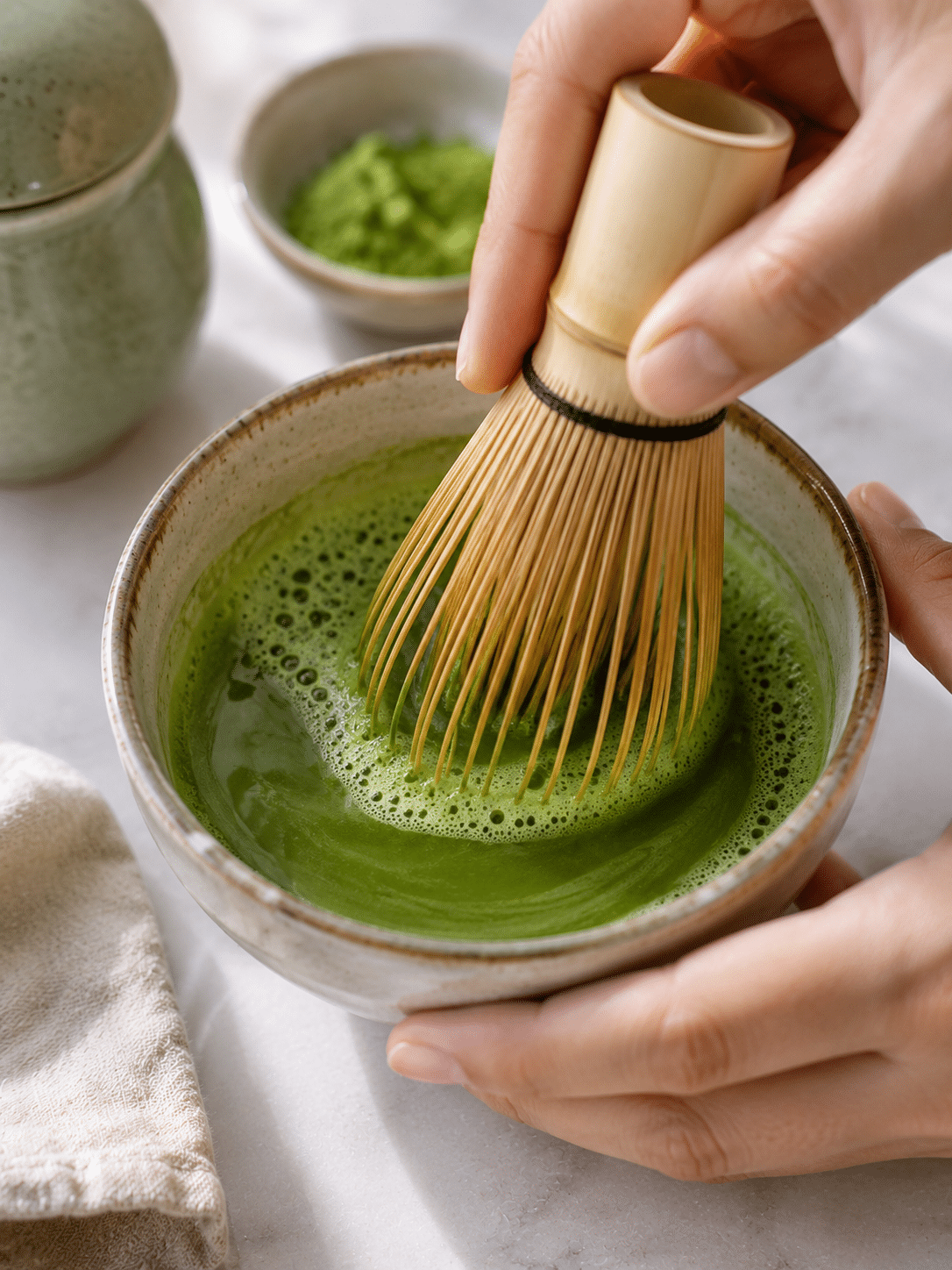
At home, I like to whisk matcha first with a splash of warm water. That makes a smooth paste before I add milk. If you dump powder straight into cold milk, you’ll fight clumps, and those clumps can make the drink taste bitter. A smooth latte feels calmer, and it helps you notice whether your chosen amount is right. For most home cooks, one teaspoon makes a balanced latte. Two teaspoons makes a stronger one that suits people who usually drink coffee.
If you’re hosting brunch, offer two matcha strengths. I do this all the time. One pitcher gets a gentle one-teaspoon-per-cup blend, and another gets a bolder scoop for coffee drinkers. Then I serve something fruity beside it, like lavender peach lemonade, so guests who don’t want caffeine still get a pretty drink.
Easy matcha latte formula
Here’s my simple Cheflora matcha latte formula for anyone tracking how much caffeine in matcha at home.
| Ingredient | Mild Latte | Classic Latte | Strong Latte |
|---|---|---|---|
| Matcha powder | 1/2 teaspoon | 1 teaspoon | 2 teaspoons |
| Warm water | 2 tablespoons | 2 tablespoons | 3 tablespoons |
| Milk | 3/4 cup | 3/4 cup | 1 cup |
| Sweetener | To taste | To taste | To taste |
| Estimated caffeine | 20–35 mg | 38–70 mg | 80–140 mg |
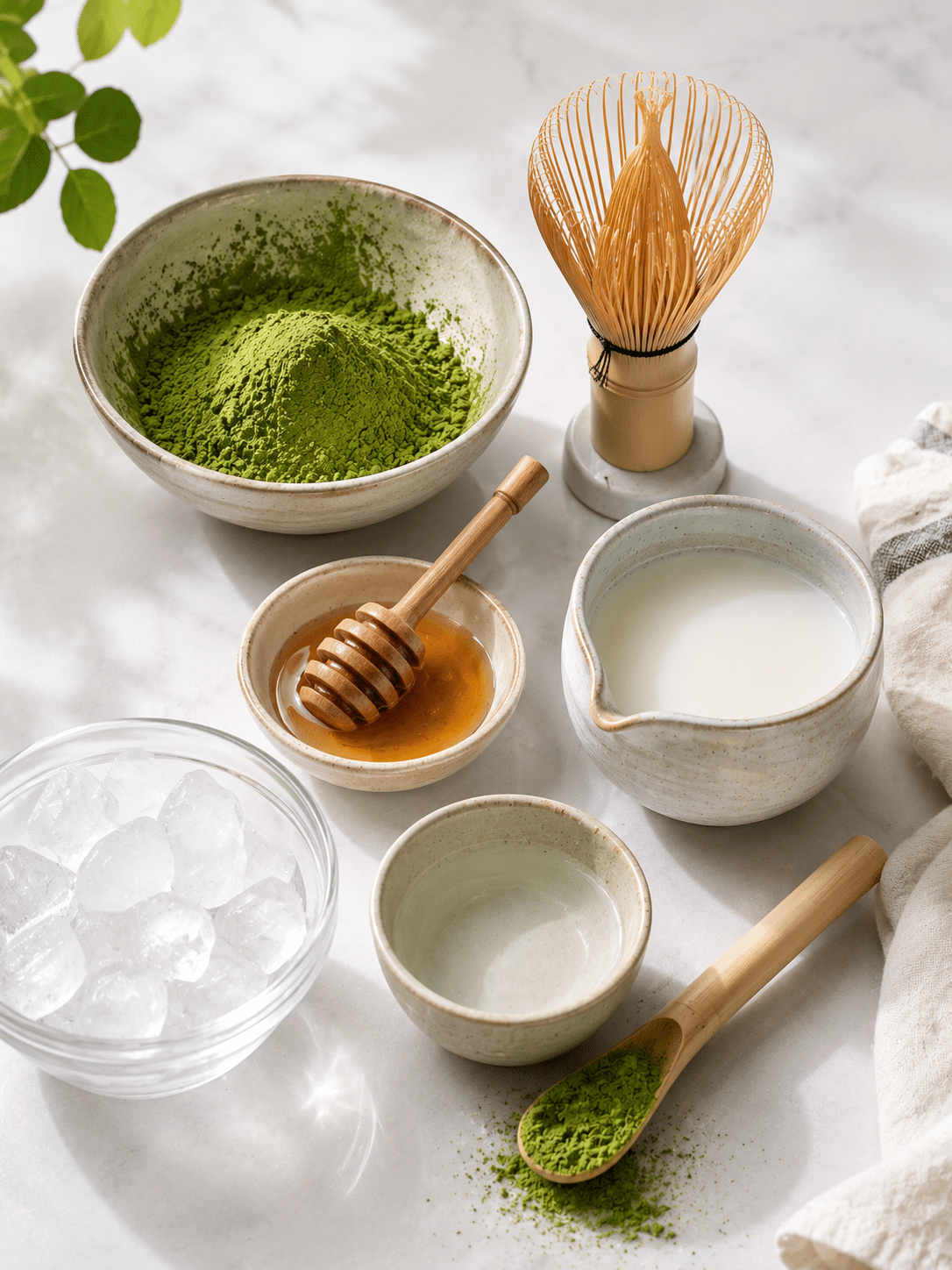
For an iced matcha latte, pour the whisked matcha over ice, add cold milk, then sweeten lightly. For a warm latte, heat the milk until steamy, not boiling, and pour it over the whisked matcha. When you understand how much caffeine in matcha latte, you can adjust the drink without guessing.
The best part is that matcha plays well with other flavors. Coconut milk makes it rich. Vanilla makes it soft. Strawberry puree makes it café-pretty. A tiny pinch of salt can smooth bitterness. On extra hot days, I like the same cool, creamy mood as my coconut lime refresher, but with that grassy matcha note.
One more tip from my kitchen: don’t drink a strong matcha latte on an empty stomach if caffeine makes you shaky. Pair it with toast, yogurt, eggs, oatmeal, or a simple breakfast. How much caffeine in matcha matters, but timing and food matter too.
How much caffeine in matcha Starbucks drinks?
Starbucks matcha caffeine can vary by drink size, recipe, country, and menu changes. For the safest answer, check the current Starbucks nutrition page before ordering. In general, how much caffeine in matcha Starbucks drinks depends on the number of matcha scoops and cup size.
Why café matcha numbers can change
People search how much caffeine in matcha Starbucks because café drinks feel harder to measure than homemade drinks. At home, you control the teaspoon. At a café, the barista follows a recipe with scoops, mixes, and size rules. That’s why how much caffeine in matcha latte Starbucks can change when you order tall, grande, or venti.
There’s also another detail: some café matcha powders come pre-sweetened. That doesn’t necessarily change caffeine by itself, but it changes how the drink tastes. Sweetened matcha can feel softer and less bitter, so you may not notice how strong the tea is. This is exactly why how much caffeine in matcha should not be judged by taste alone. A sweet iced matcha latte can still contain a real caffeine dose.
Because I can’t check live menu pages from here, I won’t pretend to give the current exact Starbucks number. Menus shift, recipes can change, and nutrition pages get updated. The most reliable habit is to check the official menu for your drink size before you order, especially if caffeine affects your sleep or focus. That said, the pattern is easy to understand: more matcha scoops usually means more caffeine.
When I make café-style drinks at home, I use one teaspoon for a tall-style latte and closer to two teaspoons for a bolder grande-style drink. That gives you the café feeling while keeping how much caffeine in matcha powder clear and adjustable.
Iced Matcha Latte
Equipment
- Small bowl
- matcha whisk or small whisk
- measuring spoons
- serving glass
Ingredients
- 1 teaspoon matcha powder
- 2 tablespoons warm water
- 3/4 cup milk of choice
- 1 cup ice
- 1–2 teaspoons honey, maple syrup, or simple syrup (optional)
- 1/4 teaspoon vanilla extract (optional)
Instructions
- Add the matcha powder to a small bowl.
- Pour in the warm water.
- Whisk until the matcha is smooth and slightly foamy.
- Fill a serving glass with ice.
- Pour the milk over the ice.
- Stir in the sweetener and vanilla extract, if using.
- Pour the whisked matcha over the milk.
- Stir gently and serve immediately.
Notes
Nutrition
How to order matcha when you care about caffeine
If you’re trying to manage how much caffeine in matcha, order with scoop count in mind. You can ask whether the drink has one, two, or more scoops of matcha powder. You can also ask for fewer scoops if you want the flavor without as much caffeine. This works especially well for iced drinks, where milk and ice stretch the drink but the powder controls the caffeine.
For a gentler café-style order, choose a smaller size or ask for light matcha. For a stronger drink, choose a larger size or extra matcha, but remember that extra powder means extra caffeine. When people ask how much caffeine in matcha latte Starbucks, the best answer is not just “a number.” It’s “check the size, check the scoops, and check the current nutrition details.”
At home, you can recreate the same mood with less guesswork. Make a classic matcha latte with one teaspoon, pour it over ice, and add a splash of vanilla. Then serve something colorful for anyone skipping caffeine, like passion fruit lemonade. It turns a simple drink table into something bright and flexible.
Matcha also pairs beautifully with mint, citrus, and berries. If you love the café look but want a mocktail instead, my blueberry mojito mocktail gives the same fresh, pretty feeling without matcha powder. That’s helpful when you’ve already had your caffeine for the day but still want a glass that feels fun.
Why is Gen Z obsessed with matcha?
Gen Z loves matcha because it’s colorful, customizable, café-friendly, and easy to turn into iced lattes, smoothies, and aesthetic drinks. But the trend also comes with a practical question: how much caffeine in matcha matters when matcha becomes a daily habit instead of an occasional treat.
Why matcha fits modern drink culture
Matcha has everything a modern drink trend needs. It looks beautiful on camera. It changes easily with milk, fruit, vanilla, honey, lavender, strawberry, coconut, and cold foam. It feels a little calmer than coffee for many drinkers, but it still has caffeine. That’s why how much caffeine in matcha keeps coming up as matcha moves from tea shops into school mornings, work breaks, and weekend café runs.
I think Gen Z also likes matcha because it feels personal. You can order it iced with oat milk, lightly sweetened, extra creamy, strawberry-topped, or half-strength. Coffee culture can feel intense if you don’t love bitter flavors. Matcha gives people another lane. It can taste earthy, sweet, milky, grassy, floral, or fruity depending on how you make it.
There’s also the ritual. Whisking matcha feels slower than pushing a coffee button. Even when I’m busy, those few seconds with the green powder and warm water make the drink feel intentional. Still, I always remind readers that pretty doesn’t mean caffeine-free. Does matcha green tea have caffeine? Yes. And once matcha turns into a daily iced latte, knowing how much caffeine in matcha becomes part of making it fit your routine.
For teens, caffeine deserves extra care because sleep, school, sports, and focus all matter. A small matcha may be fine for some people, while a double matcha late in the day can be too much. Listen to your body. If you feel jittery, anxious, or wide awake at bedtime, cut back or drink matcha earlier.
How to make matcha feel good at home
A good matcha drink starts with the right amount of powder. For beginners, I suggest half a teaspoon to one teaspoon. That range answers how much caffeine in matcha in a practical way: start lower, taste it, and see how you feel. You can always add more next time. You can’t remove caffeine once it’s in the cup.
Use warm water, not boiling water. Boiling water can make matcha taste harsh. Whisk until smooth, then add milk or cold water. Sweeten lightly. If you want a fruity café-style drink, add a spoonful of strawberry puree, peach syrup, or blueberry sauce. If you want a spa-day drink without caffeine later, try my pineapple cucumber refresher because it has that crisp, clean feeling matcha fans often enjoy.
Here’s the Simple Cheflora rule I use: one teaspoon for a normal matcha, two teaspoons only when you truly want a stronger caffeine drink. That keeps how much caffeine in matcha easy to remember. A small scoop gives you a gentle lift. A big scoop can feel closer to coffee. A double scoop deserves the same respect you’d give a strong latte.
Matcha may be trendy, but it’s not just a trend. It’s a flexible ingredient. Once you learn your ideal scoop, you can make iced lattes, warm lattes, smoothies, and even matcha lemonade with confidence.
FAQ
How much caffeine is in matcha powder?
Matcha powder usually contains about 19–35 mg of caffeine per gram, which means one typical teaspoon, around 2 grams, often has 38–70 mg caffeine. That’s the clearest answer when someone asks how much caffeine in matcha powder. The number changes because matcha varies by brand, leaf quality, harvest, and how firmly you pack the spoon. A half teaspoon may feel gentle, while two teaspoons can feel much stronger. When readers ask me how much caffeine in matcha, I tell them to measure the powder first. Water, milk, and ice change the drink size, but the powder decides most of the caffeine.
Does matcha green tea have caffeine?
Yes, matcha green tea has caffeine. Matcha comes from green tea leaves that get ground into a fine powder, so you drink the leaf instead of steeping it and removing it. That’s why how much caffeine in matcha is usually higher than regular steeped green tea. A standard cup of regular green tea may have about 20–45 mg caffeine, while a one-teaspoon matcha drink often has about 38–70 mg. If you want a very light drink, use half a teaspoon. If you’re caffeine-sensitive, avoid strong matcha late in the afternoon because it can affect sleep.
How much caffeine is in a matcha latte?
A matcha latte usually has about 38–70 mg caffeine when made with one teaspoon of matcha powder. A stronger latte made with two teaspoons may contain about 80–140 mg caffeine. So when someone asks how much caffeine in matcha latte, the real answer depends on the amount of matcha powder, not the milk. Oat milk, dairy milk, almond milk, ice, vanilla syrup, and foam change the flavor and texture, but they don’t lower the caffeine. For a gentler latte, use half a teaspoon. For a coffee-like drink, use more powder, but keep your total caffeine for the day in mind.
Does coffee have more caffeine than matcha?
Yes, coffee usually has more caffeine than matcha in standard servings. An 8-ounce brewed coffee often has around 80–120 mg caffeine, while one teaspoon of matcha powder usually has around 38–70 mg. That means caffeine in matcha vs coffee depends heavily on drink size. A small matcha is usually lighter than coffee, but a double matcha can overlap with a mild cup of coffee. If you’re asking how much caffeine in matcha vs coffee because coffee makes you jittery, try a one-teaspoon matcha latte and see how your body feels.
Is matcha higher in caffeine than coffee?
Matcha is usually not higher in caffeine than coffee when you compare a normal matcha drink to a normal cup of brewed coffee. Coffee tends to win on caffeine per common serving. But matcha can become close to coffee if you use two teaspoons of powder or order a large café drink with extra scoops. That’s why how much caffeine in matcha should always include serving size. One teaspoon is moderate. Two teaspoons can be strong. Coffee can also vary a lot by roast, brewing method, and cup size, so the fairest comparison is always scoop-to-cup, not just matcha versus coffee as a broad idea.
Why is Gen Z obsessed with matcha?
Gen Z loves matcha because it fits iced latte culture perfectly. It’s colorful, customizable, photogenic, and easy to mix with oat milk, vanilla, strawberry, lavender, coconut, or cold foam. It also feels like a softer alternative to coffee for people who don’t love bitter drinks. But the big practical question remains: how much caffeine in matcha matters when a trendy drink becomes a daily routine. Matcha has caffeine, and strong matcha lattes can add up. The obsession makes sense because matcha is fun, flexible, and visually striking, but it still deserves the same mindful approach as coffee.
Conclusion
Now you know the real answer to how much caffeine in matcha: most everyday servings land around 38–70 mg caffeine per teaspoon of powder, while stronger drinks can climb higher. That one detail makes matcha much easier to understand. The powder controls the caffeine. Milk, ice, and sweetener change the drink, but they don’t erase what the tea leaves bring.
In my kitchen, I’ve found that matcha works best when you treat it like a flexible ingredient instead of a mystery. Use half a teaspoon when you want something gentle. Use one teaspoon for a classic cup. Save two teaspoons for days when you truly want a stronger drink. If you’re comparing how much caffeine in matcha vs coffee, remember that coffee usually has more caffeine, but matcha can still feel powerful when the scoop gets big.
Whether you’re making a warm morning bowl, an iced matcha latte, or a café-style drink with vanilla and oat milk, let your body guide you. Start small, taste as you go, and pay attention to sleep and jitters. Then make your matcha the way you actually enjoy it. Try it this week with your favorite milk, a smooth whisk, and a measured scoop.