Post Disclaimer
Disclaimer: This content is for educational purposes only, not medical advice. Always consult with a doctor before making significant changes to your diet, especially if you have pre-existing health conditions.
If you’ve never had a Japanese sweet potato, you’re in for a treat one that’s naturally sweet, nutty, and ridiculously satisfying. These vibrant root veggies have been a staple in my kitchen ever since I stumbled on them during a late-night grocery run, hunting for something quick, healthy, and mom-approved. They’re not just beautiful (hello, purple skin!) they’re also packed with flavor and japanese sweet potato nutrition benefits that leave regular potatoes in the dust.
In this article, I’ll walk you through everything I wish I’d known when I first met this humble spud. We’ll talk about what makes them different, how to cook them simply (because moms don’t have time for complicated), and how to use them in sweet or savory dishes. Plus, I’ll share my own go-to japanese sweet potato recipe that even my picky 5-year-old devours without complaint.
Whether you’re meal-prepping on a Sunday or trying to stretch a few ingredients into a comforting dinner, Japanese sweet potatoes are pure gold. Let’s dig in!
Table of Contents
Key Takeaways: What You Need to Know
- Japanese sweet potatoes have purple skin and a sweet, chestnut-like flavor.
- They are nutrient-rich and higher in fiber than regular sweet potatoes.
- Popular in Japan and Hawaii, they’re used in both sweet and savory dishes.
- They’re perfect for roasting, baking, air frying, or even turning into dessert.
- Loaded with antioxidants, they offer great benefits for digestion and energy.
The Story & Intro
Why Did I Fall in Love with the Japanese Sweet Potato?
Japanese sweet potato wasn’t always a pantry staple in my home. In fact, the first time I bought one, I thought it was a beet. Yep true story. I was walking through the produce section, baby strapped to my chest, toddler begging for a cookie, and my cart was half-full of random dinner “ideas” with no real plan. I grabbed the beautiful, purple-skinned potato thinking I’d roast it and hope for the best.
When I sliced it open at home and saw that creamy, pale yellow center, I was so confused. I thought it had gone bad! But something told me to keep going and I’m so glad I did. I threw it in the oven with a little olive oil and sea salt, and when I took my first bite… wow. It was nutty, slightly sweet, almost buttery. Nothing like a regular sweet potato. It was comfort food with zero effort. From that night on, japanese sweet potatoes became a regular part of our weeknight meals.
They’re my secret weapon on busy nights when I want to feel like I’m feeding my family something nourishing without spending an hour in the kitchen.
What Makes Japanese Sweet Potatoes So Special?
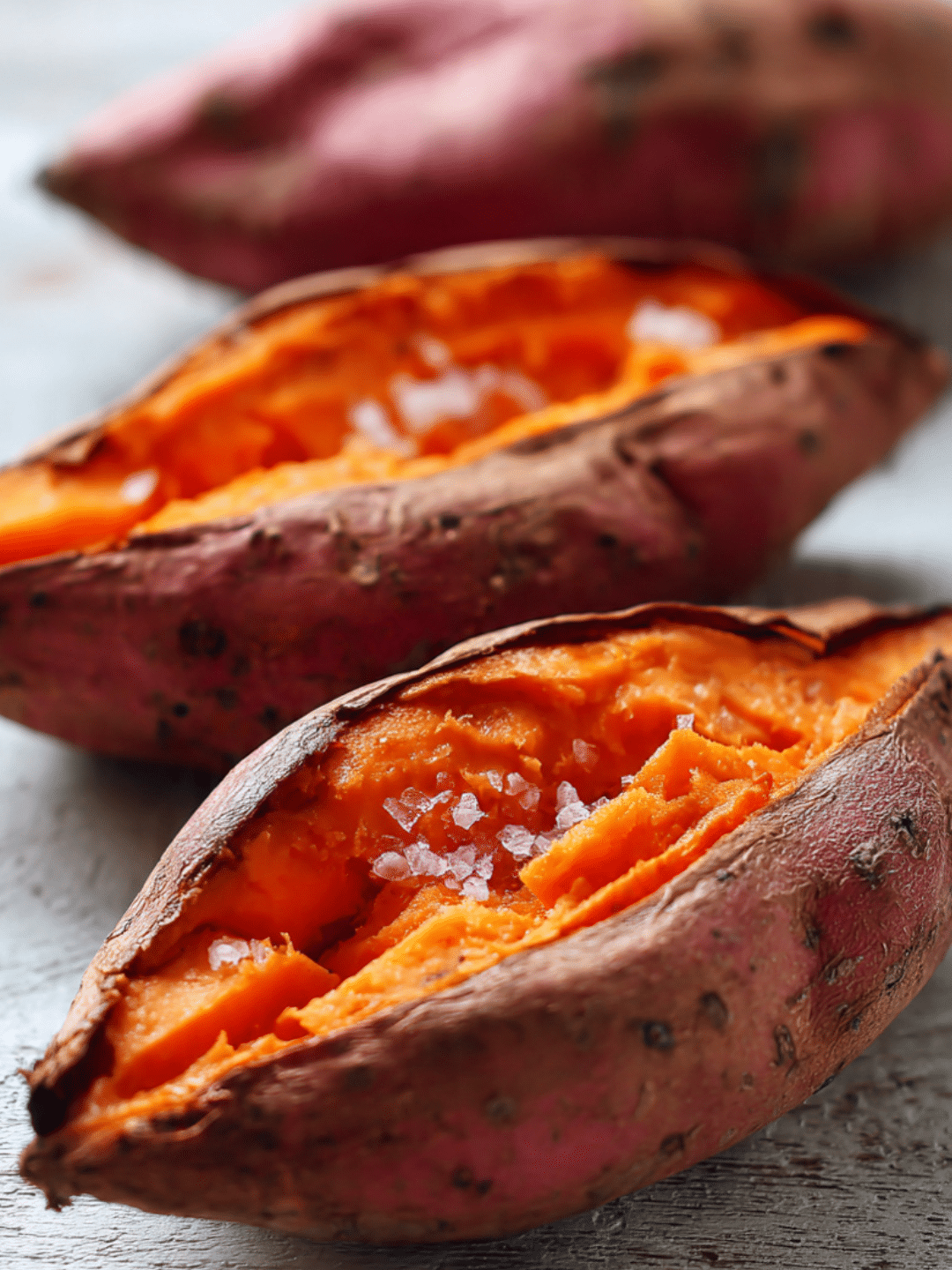
Japanese sweet potatoes (called satsumaimo in Japan) have a naturally sweet, earthy flavor that sets them apart from the orange-fleshed varieties most of us grew up eating. The outside is a deep reddish-purple, and the inside is creamy white or pale yellow. When baked or roasted, they develop a fluffy, chestnut-like texture that feels indulgent but they’re actually a nutrient-dense powerhouse.
They’ve been a staple in Japanese cuisine for centuries and are especially popular in Okinawa, a region known for its long-living population. That’s no coincidence these potatoes are packed with fiber, complex carbs, and antioxidants. Think of them as a natural energy booster that also keeps you full longer (a mom’s dream).
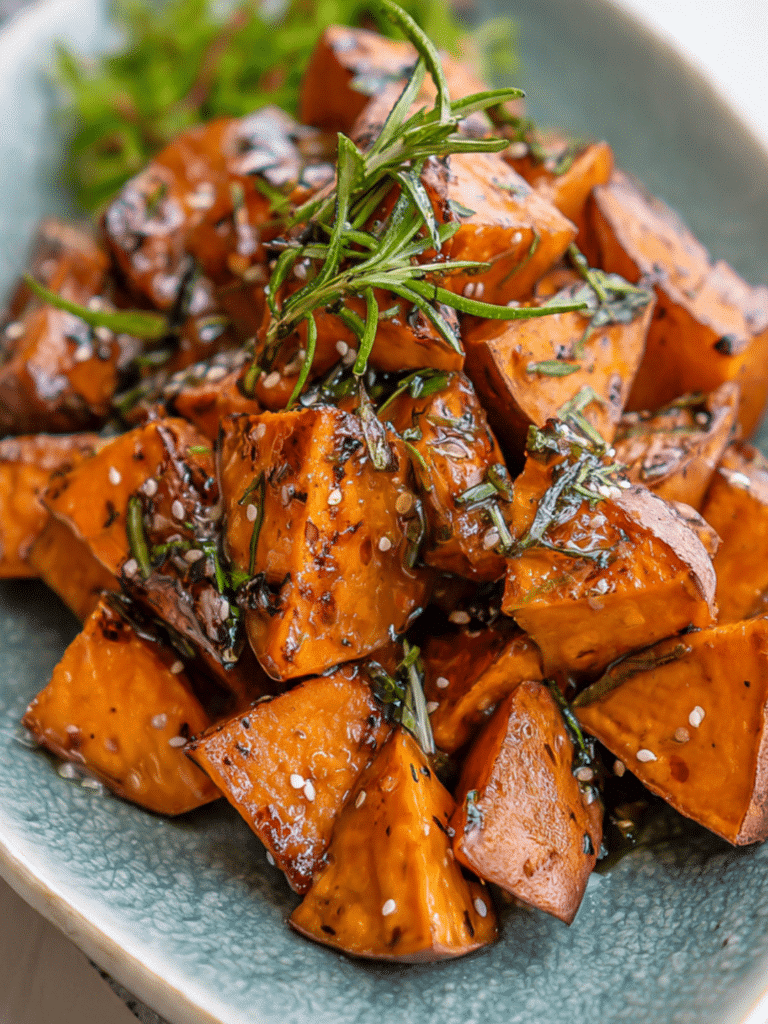
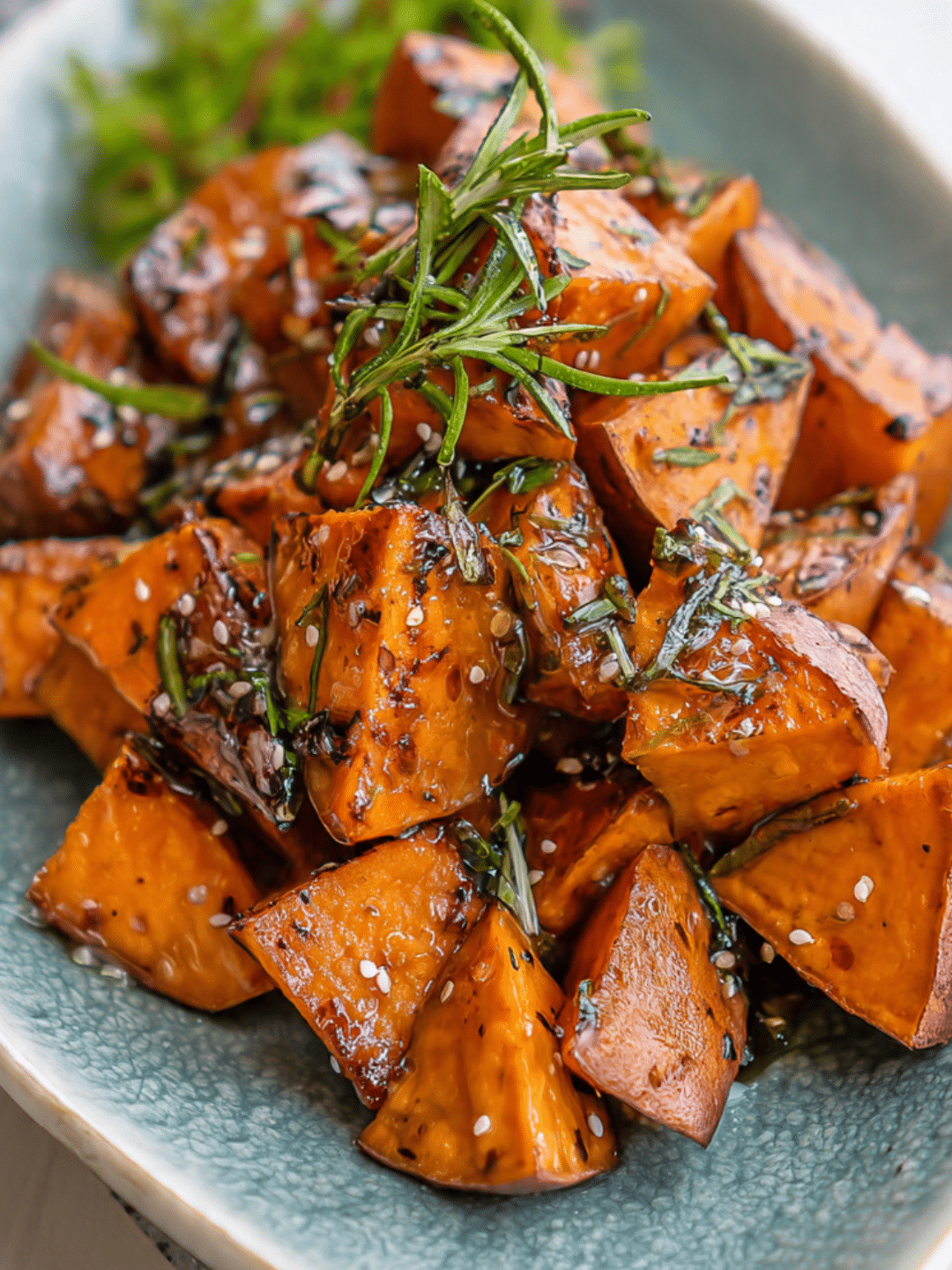
They’re so versatile too. You can slice and roast them with rosemary, mash them with a drizzle of maple syrup, or even toss them into dessert (yes, really). And if you’ve ever had a roasted japanese sweet potato straight from a Japanese street cart? You already know the magic.
Nutrition & Benefits of Japanese Sweet Potato
What Are the Nutrition Facts for Japanese Sweet Potato?
Japanese sweet potatoes are more than just a pretty face they’re packed with nutrients that support real-life energy and wellness. A medium-sized japanese sweet potato (about 130g) delivers:
| Nutrient | Amount |
|---|---|
| Calories | ~113 |
| Carbs | ~27g |
| Fiber | ~4g |
| Sugar | ~5g |
| Protein | ~2g |
| Vitamin A | 0% (unlike orange sweet potatoes) |
| Vitamin C | ~30% DV |
| Potassium | ~440mg |
| Antioxidants | High in polyphenols & flavonoids |
Unlike orange sweet potatoes, japanese sweet potatoes don’t contain as much beta-carotene (that’s where the orange color comes from). But they shine in other ways offering a complex carbohydrate profile that helps stabilize blood sugar while giving you long-lasting energy. As a mom who runs on leftovers and lukewarm coffee, that’s a win.
They’re also rich in polyphenols, the same kind of antioxidants found in green tea and dark chocolate. These help fight inflammation, improve gut health, and may even support heart and brain function.
What Are the Top Benefits of Japanese Sweet Potatoes?
Here’s why I keep japanese sweet potatoes stocked in my pantry (and recommend you do too):
1. Gut-Friendly Fiber
If you’re trying to get things moving (yep, we’re going there), the fiber in these potatoes is gentle on digestion but super effective. I often cube and roast them alongside chicken or toss them into my toddler’s plate with zero complaints.
2. Energy That Lasts
Unlike processed carbs, japanese sweet potatoes give you steady, slow-release energy. Perfect for when you’ve got errands to run, soccer practice, and dinner to make without a sugar crash.
3. Blood Sugar Friendly
With a lower glycemic index than white potatoes, they won’t spike your blood sugar. That’s great news for anyone watching carbs or managing insulin levels.
4. Naturally Gluten-Free
If you’re avoiding gluten (whether celiac or not), japanese sweet potatoes are a naturally safe and satisfying option.
5. Immune Support
Thanks to their vitamin C content, they help keep your immune system strong something I’m constantly thinking about when cold season hits our house.
And let’s not forget: they’re affordable, easy to prep, and picky-eater approved. I call that a dinner miracle.
Japanese Sweet Potato vs Regular Sweet Potato
How Is Japanese Sweet Potato Different from Regular Sweet Potato?
Let’s clear this up japanese sweet potatoes are not just “purple sweet potatoes.” While they look similar, they’re an entirely different variety with unique flavor and texture. The most common type you’ll find in the U.S. is called Satsumaimo, which has a reddish-purple skin and pale yellow, creamy flesh inside.
Now compare that to a standard American sweet potato the kind with coppery skin and bright orange insides. The difference? Night and day. While both are sweet, the japanese sweet potato has a denser, drier, fluffier interior almost like a roasted chestnut while the regular kind is moist and softer, more like a baked dessert.
| Feature | Japanese Sweet Potato | Regular Sweet Potato |
|---|---|---|
| Skin Color | Purple/Red | Copper/Orange |
| Flesh Color | Pale yellow | Bright orange |
| Texture | Dry, fluffy, chestnut-like | Moist, soft, creamy |
| Taste | Sweet, nutty | Sweet, earthy |
| Beta-Carotene | Low | High |
| Glycemic Index | Lower | Higher |
So if you’ve ever baked a sweet potato and found it a bit mushy or too sugary, give the Japanese variety a shot. It’s more balanced, hearty, and holds up well in both savory and sweet dishes.
Which Is Healthier: Japanese Sweet Potato or Regular?
Both types of sweet potatoes are nutritious but they shine in different ways. Japanese sweet potatoes have more complex starches, making them a favorite among people on whole food diets, like paleo or macrobiotic lifestyles. They’re slightly lower in natural sugars but still packed with fiber, potassium, and antioxidants.
Regular sweet potatoes, especially the orange ones, are rich in beta-carotene (vitamin A). That’s great for vision and skin but it also gives them that ultra-sweet flavor and softer texture.
For me, it comes down to how I plan to use them:
- Baking or roasting? Japanese wins.
- Mashing or pie-making? Go orange.
Roasted Japanese Sweet Potato
Ingredients
Equipment
Method
- Preheat your oven to 400°F (200°C).
- Scrub the Japanese sweet potatoes clean and pat dry. Leave the skin on.
- Poke each potato a few times with a fork to allow steam to escape.
- Place the potatoes directly on a baking sheet or wrap loosely in foil.
- Roast for 45–60 minutes, until the skin is wrinkled and the inside is soft and fluffy.
- Slice open, season lightly with salt or olive oil if desired, and serve warm.
Nutrition
Notes
Tried this recipe?
Mention @Cheflorarecipes or tag #cheflorarecipes!How to Cook Japanese Sweet Potatoes at Home
What’s the Best Way to Cook Japanese Sweet Potatoes?
Here’s the honest truth: you don’t need any fancy tools or culinary degree to make japanese sweet potatoes taste amazing. Their natural sweetness and nutty flavor shine with just a bit of heat and a pinch of salt. That said, the way you cook them really affects the final texture and it all comes down to what you’re craving.
1. Roasting (My Favorite)
Roasting brings out the natural sugars and gives them a caramelized crust you’ll want to fight over.
How to roast:
- Preheat oven to 400°F (200°C).
- Scrub the potatoes well (keep the skin on for extra fiber!).
- Poke a few holes with a fork.
- Place directly on a baking sheet or wrapped in foil.
- Roast for 45–60 minutes until soft and golden.
The result? A fluffy, almost dessert-like center with crispy edges. I like to serve these as a side dish or even for breakfast with nut butter and cinnamon.
2. Air Frying (For Busy Nights)
If you’re short on time (aka: always), the air fryer is your best friend.
Air fryer method:
- Slice into wedges or rounds.
- Toss with a little oil, salt, and paprika or rosemary.
- Air fry at 375°F for 15–20 minutes, shaking halfway.
It’s like homemade sweet potato fries, but fancier.
3. Steaming or Boiling (For Mashing or Baby Food)
Not glamorous, but effective steamed or boiled japanese sweet potatoes are great for mashing into creamy sides or blending into desserts.
Tip: Don’t overcook or they’ll get watery. 15–20 minutes max.
Can You Use Japanese Sweet Potatoes in Desserts?
Absolutely. In fact, Japanese sweet potato dessert recipes are beloved across Asia. Their natural sweetness makes them perfect for treats without needing loads of sugar.
One of my favorite sweet experiments was turning roasted japanese sweet potato into a creamy pie filling like pumpkin pie, but with a nuttier, buttery depth. Even my kids didn’t realize it wasn’t pumpkin.
I’ve also used mashed Japanese sweet potato as a base for pancakes, muffins, and even no-bake energy bites. (Hint: try mixing it with cocoa powder and a touch of maple syrup seriously next-level.)
Real-Life Review: “Better Than Dessert!”
One of my readers, Angela from Portland, wrote to me after trying my roasted Japanese sweet potato recipe:
“Lora, I followed your simple roast method and served them with a dollop of whipped coconut cream. My husband said it tasted like dessert without the guilt. I’m obsessed!”
That’s the kind of review that makes me smile and reminds me why I love these potatoes so much.
Want to try your hand at something sweet? Pair your sweet potatoes with my cozy moist banana bread recipe or holiday-friendly Martha Washington cherry candy.
Origin & Cultural History of the Japanese Sweet Potato
Where Did This Unique Potato Come From?
Believe it or not, this beloved spud didn’t actually originate in Japan. Historians trace its roots (pun intended) to Central and South America, where indigenous peoples cultivated sweet potatoes over 5,000 years ago. In the early 1600s, the Portuguese introduced it to Japan through trade, where it quickly adapted to the volcanic soil and cooler climate.
Japan embraced it wholeheartedly, especially during times of famine. Its ability to grow in less-than-ideal conditions made it a lifesaver for rural communities. In fact, during the Edo period, it was known as a “survival crop.” People relied on its calories and nutrition when rice harvests failed.
Today, this variety often called Satsumaimo is a national treasure. You’ll find it in everything from childhood snacks to elegant street food. It’s grilled over hot stones in winter markets, blended into creamy desserts, and even featured in school lunches. That level of cultural integration says a lot about its place in everyday life.
What Is It Called in Japan and Other Places?
In Japan, this potato is called Satsumaimo (さつまいも), named after the Satsuma region (modern-day Kagoshima) where it first took root. If you ever visit, you’ll see locals selling it piping hot from yaki-imo trucks in winter it’s a nostalgic taste of childhood for many.
In Hawaii, it’s often referred to as Okinawan sweet potato, although technically, the Okinawan variety has a deep purple flesh. That’s another beautiful and slightly different tuber, also rich in antioxidants.
In Western grocery stores, you may find them labeled as:
- Japanese yams
- Oriental sweet potatoes
- Murasaki sweet potatoes (another variety grown in California)
No matter what the label says, you’ll recognize them by their reddish-purple skin and pale interior.
Want a taste of other global sweets? You’ll love my Filipino-inspired leche flan or fun Christmas jello balls for a multicultural twist.
Flavor Pairings & Serving Ideas
What Goes Well with This Sweet and Nutty Potato?
Because of its rich, almost chestnut-like flavor, this variety of sweet potato plays beautifully with both sweet and savory dishes. It’s like the best of both worlds you can go full-on cozy dinner or light and elegant dessert.
Here are some favorite pairings I’ve tested (and loved) in my kitchen:
Savory Combos:
- Rosemary + Garlic + Olive Oil: Toss slices with fresh herbs and roast until golden. Serve with grilled chicken or fish.
- Miso Butter + Scallions: A nod to its Japanese roots. A swipe of miso butter over hot wedges is mind-blowing.
- Tahini + Lemon + Chickpeas: For a plant-based bowl, I top warm cubes with tahini drizzle and roasted chickpeas.
Sweet Pairings:
- Cinnamon + Maple Syrup + Pecans: This feels like pie filling only easier. Add Greek yogurt for breakfast or whipped cream for dessert.
- Coconut Cream + Honey + Toasted Sesame Seeds: Inspired by Asian desserts, this combo is unexpectedly addictive.
- Brown Sugar + Ginger + Crushed Walnuts: Especially great in colder months for a warm, seasonal side.
They’re also incredible as a base for simple bowls. I’ve layered roasted slices with sautéed greens, a runny egg, and a little sriracha for a 10-minute dinner that feels like café food.
How Do You Serve It to Picky Eaters?
If your little ones turn up their noses at anything that isn’t beige, don’t worry I’ve been there. Try this: slice into thin rounds, roast with a tiny bit of butter and cinnamon, and call them “sweet chips.” My kids eat them like cookies.
They’re also great mashed into pancakes or added to muffins (like I do with banana bread). The mild taste hides beautifully in baked goods and adds natural sweetness without refined sugar.
For holiday spreads, swap out sugary casseroles for roasted slices with a sprinkle of crushed peppermint bark. It sounds strange, but try it with my peppermint bark recipe a hint of mint and sweet crunch adds a festive twist.
Bonus Tip: Use any leftovers in fun holiday treats like Christmas crack cookies or as a twist in your leche flan for added texture and fiber.

FAQs About Japanese Sweet Potatoes
What is a Japanese sweet potato?
A Japanese sweet potato is a starchy root vegetable with purple-red skin and pale yellow flesh. It has a sweet, nutty flavor and a fluffy texture when roasted. In Japan, it’s known as Satsumaimo and is used in both savory dishes and desserts.
Is sweet potato a Japanese dessert?
Sweet potatoes are commonly used in Japanese desserts. Roasted Satsumaimo is a popular street snack, and the mashed flesh is often blended into cakes, mochi, and wagashi. Their natural sweetness makes them a favorite in healthier sweet treats.
How do you pronounce Japanese sweet potato?
In Japanese, it’s pronounced “sa-tsu-ma-i-mo” (さつまいも). The English pronunciation is simply “japanese sweet potato,” with emphasis on the first word: JAP-uh-neez sweet puh-TAY-toh.
Are Japanese sweet potatoes healthier than regular ones?
Yes, they’re high in fiber and antioxidants with a lower glycemic index than white potatoes. They also offer steady energy and are rich in complex carbs, making them a nourishing option for most diets.
What are the different types of Japanese sweet potatoes?
The most common is Satsumaimo, but other varieties include Murasaki (grown in the U.S.) and Beni Haruka, known for being exceptionally sweet. Each has unique flavor profiles and colors, from pale yellow to deep purple.
Can you eat the skin of Japanese sweet potatoes?
Yes, the skin is edible and rich in fiber and antioxidants. Scrub well before cooking and roast or bake with the skin on for maximum nutrition and flavor.
Conclusion
From sweet street snacks in Japan to cozy roasted wedges at my family’s dinner table, these potatoes have truly earned a spot in my weekly rotation. Whether you’re new to this root veggie or already a fan, there’s always a fresh way to cook, mash, or snack on it. They’re easy, affordable, and forgiving which makes them perfect for real-life kitchens like yours and mine.