Post Disclaimer
Disclaimer: This content is for educational purposes only, not medical advice. Always consult with a doctor before making significant changes to your diet, especially if you have pre-existing health conditions.
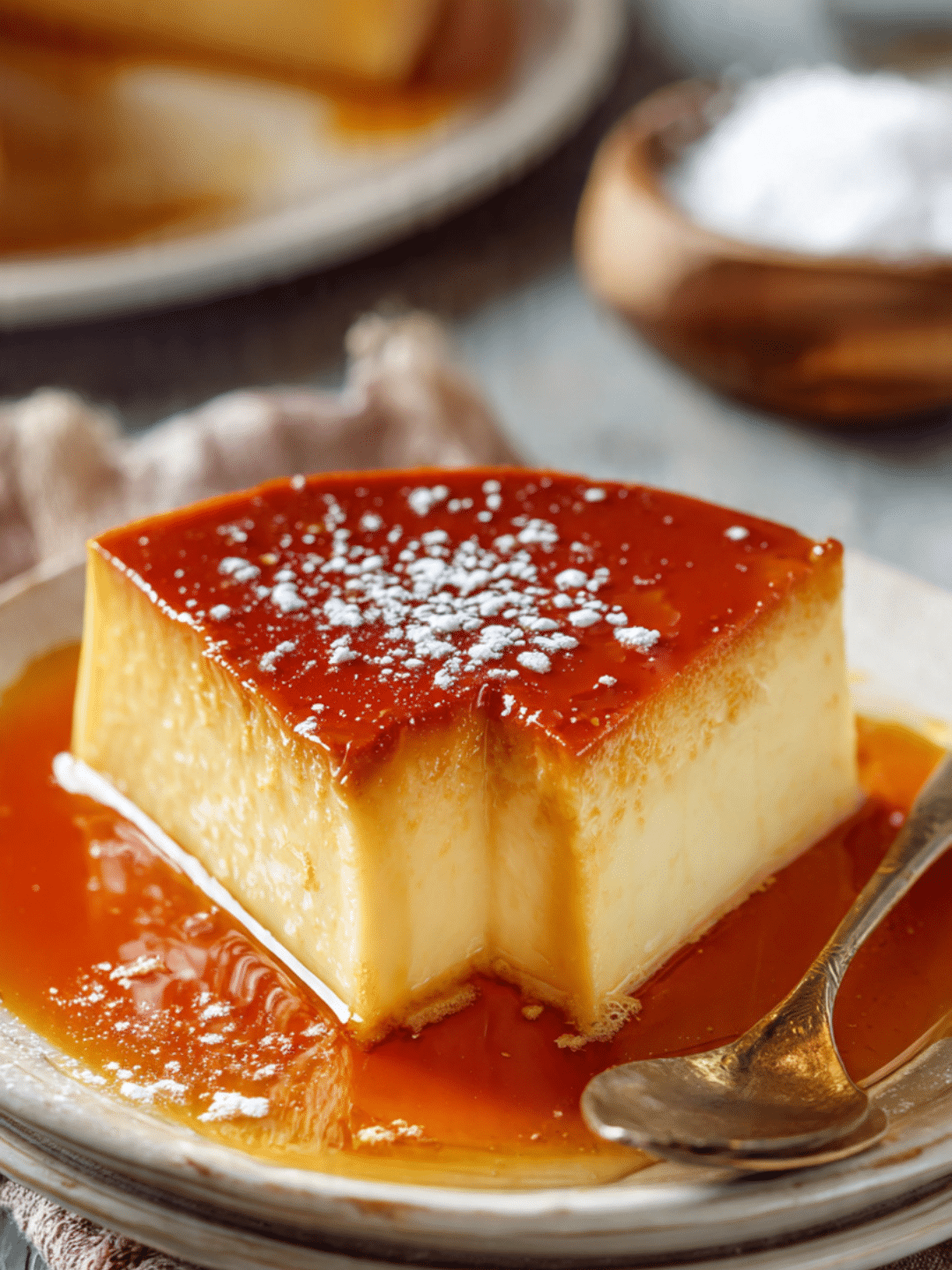
If there’s one dessert that takes me straight back to my childhood kitchen in Oregon, it’s leche flan. The rich caramel, the melt-in-your-mouth custard, the way my mom would carefully invert the llanera (those classic Filipino flan molds) it all felt like magic. I never knew then how simple the ingredients were or how much technique was involved to get that smooth, jiggly finish.
This leche flan recipe is my take on the traditional Filipino dessert I grew up with made simple enough for busy moms, beginner bakers, or anyone craving a sweet Filipino treat that’s easy to bake in the oven.
Whether you’re wondering what is leche flan, how it differs from regular flan, or you’re just craving that silky, caramel-kissed custard, I’ve got you. This post covers everything from the best egg-to-milk ratio, to caramel tips, to oven-baking for a hands-off finish.
You’ll also get answers to common leche flan questions, plus a real-life story, step-by-step photos, and tips for making it in batches for parties.
Table of Contents
Key Takeaways: What You Need to Know
- Leche flan is a traditional Filipino dessert made with egg yolks, sweetened condensed milk, and evaporated milk.
- For a smooth, creamy texture, use a water bath (bain-marie) and strain the custard before baking.
- Leche flan is denser and richer than Spanish or Mexican flan due to the use of egg yolks and condensed milk.
- Oven baking is the easiest method for consistent results no stovetop bubbling or burnt caramel.
- The dessert is rooted in Filipino colonial history, with Spanish origins adapted over centuries.
The Story Behind This Leche Flan Recipe
What makes this leche flan recipe special to me?
Leche flan recipe days were always special growing up. My Lola (grandmother) wasn’t one to bake much, but when it came to leche flan, she brought out the big guns her heirloom llaneras, the aluminum molds that shimmered like silver. I remember sitting on the counter, sneaking spoonfuls of condensed milk while she separated eggs like it was second nature.
Years later, as a young mom myself, I craved that taste of home. The first few times I tried making leche flan, I failed. Badly. Overcooked, curdled, bitter caramel if there was a mistake, I made it. But after lots of trial and error, I finally nailed a leche flan recipe that always gives me the same melt-in-your-mouth texture I remember as a kid.
That’s the recipe I’m sharing with you today.
Where did leche flan originate, and why do Filipinos love it so much?
Leche flan is one of the most beloved desserts in the Philippines, but it actually has Spanish roots. The term “leche” means milk in Spanish, and the dessert was introduced during the Spanish colonization of the Philippines. Over time, Filipinos adapted the classic flan into a richer, silkier version made with egg yolks and canned milks easy to store in tropical climates.
While Spanish and Mexican flans often use whole eggs and milk, the Filipino leche flan recipe leans on sweetened condensed milk and evaporated milk for that creamy richness. It’s the kind of dessert you’ll see at every party, every holiday, and probably a few Sunday lunches too.
We even make giant trays of it during Christmas to pair with bibingka and pancit, and guess what? It always runs out first.
The leche flan recipe originated during Spanish colonization in the Philippines. Filipinos adapted the original Spanish flan by using egg yolks, condensed milk, and evaporated milk, creating a richer, denser custard. Today, Filipino leche flan is a staple at family gatherings and holidays.
Want More Sweet Ideas?
If you love desserts like this one, you might also enjoy my holiday go-to Martha Washington Candy Recipe or my soft and gooey Christmas Crack Cookies.
Sneak Peek: What You’ll Learn in This Leche Flan Recipe
Here’s what I’ll break down in the next parts:
- The exact ingredients and tools you need
- The secret steps for a lump-free custard
- How to bake leche flan in the oven
- The real difference between flan and leche flan
- What happens when you use whole eggs vs. yolks only
Ingredients & Tools for the Best Leche Flan Recipe
What do you need to make this leche flan recipe?
You only need six simple ingredients to make this traditional leche flan recipe most of which you probably already have at home. No fancy techniques, no rare pantry items, just pantry-friendly basics that come together into something spectacular.
Here’s what you’ll need:
Main Ingredients for Filipino Leche Flan
This Filipino leche flan recipe calls for six ingredients: egg yolks, sweetened condensed milk, evaporated milk, white sugar (for caramel), vanilla extract, and optional lemon zest. These create a creamy, silky flan with a glossy caramel topping, perfect for baking in the oven.
| Ingredient | Amount | Notes |
|---|---|---|
| Egg yolks | 10 large | Use fresh, room temperature yolks for a creamy base |
| Sweetened condensed milk | 1 can (14 oz) | Adds richness and sweetness |
| Evaporated milk | 1 can (12 oz) | Balances texture without making it too dense |
| White sugar | ¾ cup | For caramelizing the mold |
| Vanilla extract | 1 tsp | Optional but adds warmth |
| Lemon zest | ½ tsp (optional) | Cuts richness and adds a light citrus lift |
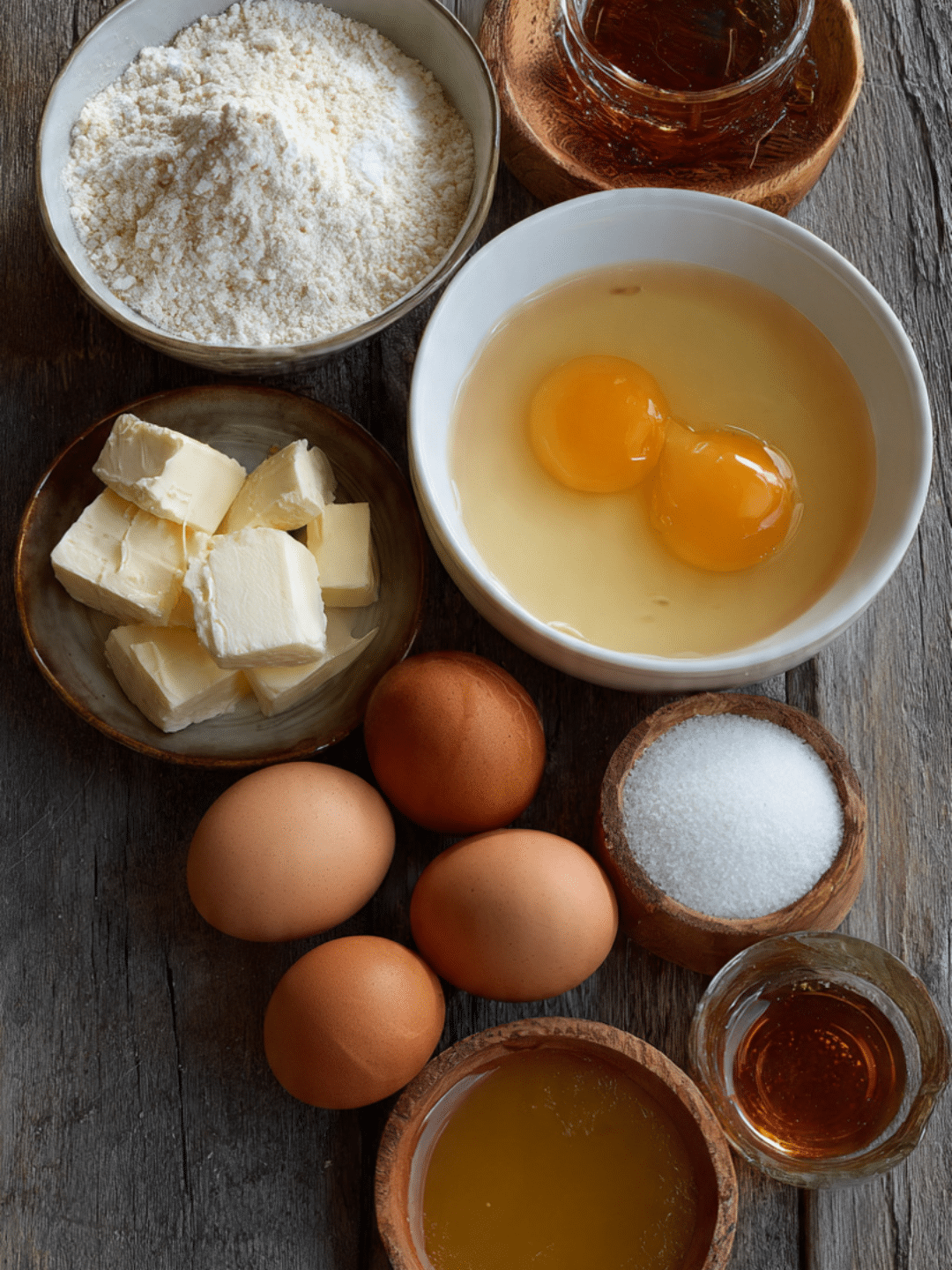
If you’re experimenting with a whole egg leche flan recipe, you can replace some yolks with whole eggs but more on that in Part 4.
Tools You’ll Need (And What You Can Sub)
You don’t need anything fancy to make this oven baked leche flan recipe, but a few key tools make the process easier and more reliable.
- Llanera or ramekins – Traditional Filipino molds, but any small metal or ceramic dish works
- Medium saucepan – For melting caramel evenly
- Strainer or cheesecloth – Crucial for a silky smooth custard
- Large baking dish – To use as a water bath (bain-marie)
- Foil – To cover your flan and prevent over-browning
Pro Tip: Why Straining Your Custard Matters
This might be the secret to a smooth leche flan. Straining your egg-milk mixture before pouring it into the mold removes bubbles, egg threads, and any unmixed bits. It’s the difference between a lumpy flan and that glassy, spoon-breaking perfection we all want.
Related Recipes You’ll Love
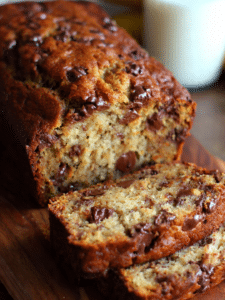
After you’ve mastered this flan, reward yourself with another easy treat like my Peppermint Bark Recipe it’s no-bake, festive, and only takes 15 minutes. Or keep the oven on and try this super moist Banana Bread that’s always a family favorite.
How to Make Leche Flan Recipe Step-by-Step
How do you make leche flan in the oven?
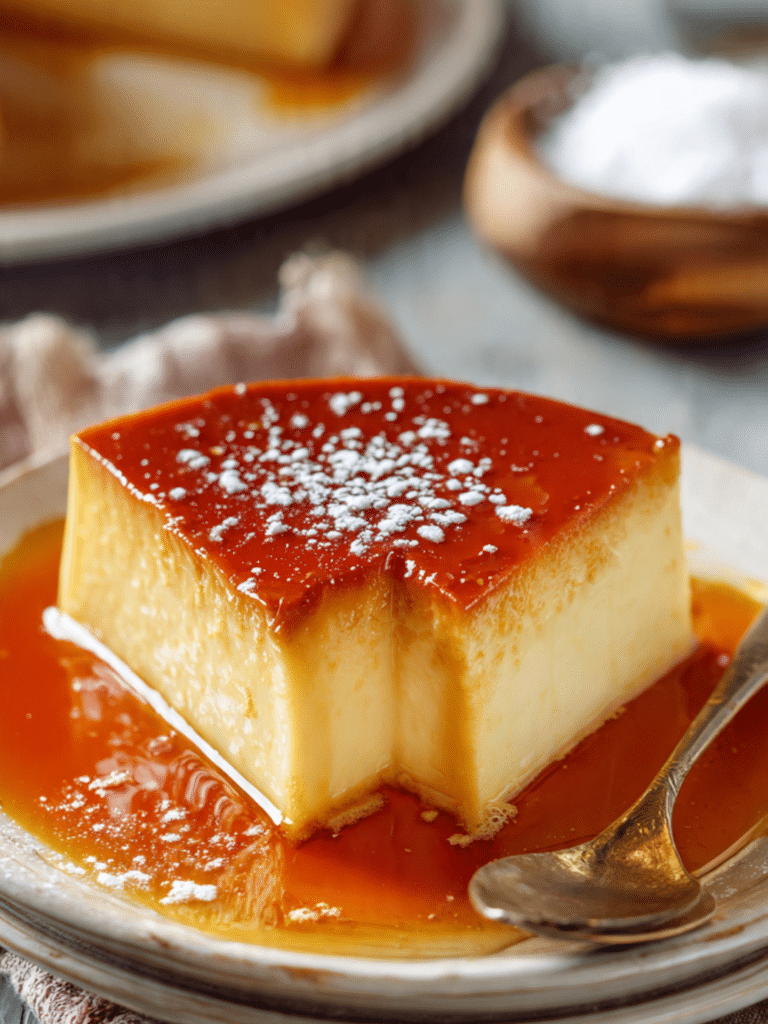
To make this leche flan recipe, melt sugar to make caramel, mix yolks with milks and vanilla, strain the custard, pour into molds, then bake in a water bath. Cool fully, chill overnight, then unmold for a silky, glossy Filipino leche flan.
Step 1: Make the Caramel
In a dry saucepan over medium-low heat, add ¾ cup white sugar. Let it melt slowly without stirring at first. Swirl the pan gently as the sugar begins to dissolve and turn golden.
Once fully melted and amber-colored (not burnt), carefully pour it into your llaneras or ramekins, tilting them to coat the bottoms.
Tip: Caramel burns fast never walk away. If it smells bitter, start over.
Step 2: Mix the Custard Base
In a mixing bowl, combine:
- 10 egg yolks
- 1 can sweetened condensed milk
- 1 can evaporated milk
- 1 tsp vanilla extract
Whisk gently to avoid creating bubbles. You want it just combined not frothy.
Then strain the custard through a fine sieve or cheesecloth into a clean bowl. This ensures your Filipino leche flan is smooth, not grainy.
Step 3: Pour & Cover
Pour the strained custard evenly into your caramel-coated molds. Cover each ramekin with foil to prevent the top from overcooking or forming a skin.
Step 4: Bake in a Water Bath (Oven Method)
Preheat your oven to 350°F (175°C).
Place the covered flan molds in a large baking dish or roasting pan. Fill the pan with hot water until it reaches halfway up the sides of your flan molds.
Bake for 50–60 minutes, or until the center jiggles slightly when tapped.
Do not skip the water bath! It creates gentle, even heat that’s key to a silky leche flan recipe.
Step 5: Chill and Unmold
After baking, remove the molds from the water bath and let them cool at room temperature. Then refrigerate for at least 4 hours, preferably overnight.
To unmold, run a thin knife around the edge, then invert onto a plate. Give it a little jiggle magic!
Why This Oven Baked Leche Flan Recipe Works Every Time
Traditional leche flan recipes were steamed on the stovetop, but I find oven baking far more consistent. You avoid uneven heat, and the water bath (bain-marie) prevents curdling. Plus, it lets you make larger batches hello, party tray!
Related Treats to Try
Need another make-ahead dessert? My Christmas Jello Balls are festive, no-bake, and just plain fun. Perfect for balancing out this creamy leche flan recipe with something fruity and light.
Whole Eggs vs. Yolks – What’s Best for Leche Flan?
Is leche flan better with whole eggs or egg yolks?
Traditional leche flan recipes use only egg yolks, resulting in a richer, creamier custard. Whole eggs create a firmer, more rubbery texture. For smooth, silky Filipino leche flan, yolks are preferred. Some modern recipes mix in one or two whole eggs for structure.
Why Egg Yolks Make a Difference
In almost every Filipino leche flan recipe, the base starts with egg yolks usually 8 to 12 of them. Why? Because yolks give that ultra-smooth, melt-in-your-mouth texture. They emulsify beautifully with the milks and help form a custard that’s rich without being heavy.
The fat from the yolks gives the dessert its creamy, almost buttery consistency. No chalkiness, no curdling just that golden jiggle.
What Happens If You Use Whole Eggs?
If you’re trying to stretch ingredients or reduce food waste, you might be tempted to use whole eggs in your leche flan recipe. And while it does work, the result is different:
- The texture becomes firmer and more egg-pudding-like.
- It’s less silky and more “biteable.”
- The taste leans a little more eggy than creamy.
I’ve tested a few batches using a 50/50 ratio of yolks to whole eggs. The outcome was good but not as luscious as the all-yolk version. If you’re okay with a less traditional texture, it’s a good budget-friendly option.
Real Testimonial: From My Reader, Emily D.
“I’ve tried so many leche flan recipes, but they never turned out quite right until this one. Lora’s version using only yolks gave me that smooth, velvety texture I remember from my childhood in Cebu. I served it last Thanksgiving, and my mom teared up. Thank you!”
Why it matters: Recipes build trust, and this one passed the ultimate test Mom’s approval.
Tips for Using Whole Eggs (If You Must)
If you decide to go the whole egg leche flan recipe route, here’s how to adjust:
- Use 6 whole eggs in place of 10 yolks.
- Add an extra splash (2 tbsp) of evaporated milk to loosen the texture.
- Strain thoroughly. Whole eggs leave more bits and bubbles behind.
- Bake 5–10 minutes longer to ensure it sets properly.
This version holds up better when sliced for party trays, which is helpful for big gatherings.
Want Something Even Easier?
If you’re not up for separating eggs, try my Martha Washington Candy no baking, no tempering, just sweet bliss in every bite.
Summary Table: Whole Eggs vs. Yolks in Leche Flan
| Feature | Egg Yolks Only | Whole Eggs |
|---|---|---|
| Texture | Silky, custardy | Firmer, more like egg pudding |
| Flavor | Creamy, rich | Slightly eggier |
| Appearance | Glossy, vibrant yellow | Pale, with a duller finish |
| Best For | Traditional flan lovers | Bulk batches, firm slices |
| Effort Level | Higher (requires separation) | Easier, no yolk-waste |
Leche Flan Recipe
Ingredients
Equipment
Method
- In a dry saucepan over medium-low heat, melt the sugar until it turns golden amber. Swirl the pan gently and avoid stirring.
- Carefully pour the hot caramel into llaneras or ramekins, tilting to coat the bottoms evenly.
- In a bowl, gently whisk egg yolks, condensed milk, evaporated milk, vanilla extract, and lemon zest until just combined.
- Strain the custard mixture through a fine sieve or cheesecloth to remove bubbles and egg strands.
- Pour the strained custard into the caramel-coated molds and cover each tightly with foil.
- Place molds in a baking dish and add hot water halfway up the sides. Bake at 350°F (175°C) for 50–60 minutes until slightly jiggly in the center.
- Cool completely, then refrigerate for at least 4 hours or overnight. Unmold onto plates before serving.
Nutrition
Notes
Tried this recipe?
Mention @Cheflorarecipes or tag #cheflorarecipes!Leche Flan Recipe Mistakes & How to Fix Them
What’s the secret to a smooth leche flan?
The secret to a smooth leche flan recipe is straining the custard, baking in a water bath, and not overbeating the eggs. These steps prevent bubbles and curdling. Cooling the flan completely before unmolding also keeps it silky and beautifully set.
Mistake #1: Bubbly or Grainy Texture
If your flan turned out grainy or full of bubbles, it’s likely one of two things happened:
- You over-whisked the eggs, creating air pockets.
- You skipped the straining step and left behind egg threads.
Fix it: Always stir gently, never beat. And strain the mixture through a fine mesh sieve before pouring it into your molds. This is a non-negotiable step in any good Filipino leche flan recipe.
Mistake #2: Flan Won’t Set
If your flan is still liquid after baking, it may be:
- Underbaked
- Baked without a proper water bath
- Using too much liquid or too few eggs
Fix it: Extend baking time by 10–15 minutes, and make sure your oven temp is accurate. Your water bath (bain-marie) should have water halfway up the sides of your mold. A set flan will jiggle slightly in the center like Jello not slosh.
Mistake #3: Bitter Caramel
Bitter or burnt caramel is a common issue, especially for beginners.
- Sugar turns from golden to burnt in seconds
- Stirring can crystallize it
- Overheating leads to bitterness
Fix it: Cook the sugar on medium-low heat, swirling the pan, not stirring. As soon as it’s deep amber, remove from heat and pour into your mold immediately.
Want a safer way? Try the wet caramel method (sugar + water), which melts more slowly and gives you more control.
Mistake #4: Flan Cracks When Unmolded
Cracks happen when the custard is overcooked or cooled too fast.
Fix it: Bake low and slow, always in a water bath. Let your flan cool completely before inverting it. Refrigerating overnight is best it helps it firm up and release cleanly.
Visual Troubleshooting Table
| Issue | Cause | Fix |
|---|---|---|
| Bubbles or foam | Over-mixing, unstrained custard | Stir gently, strain before baking |
| Runny flan | Underbaked, no water bath | Bake longer, ensure proper water bath |
| Bitter caramel | Overcooked sugar | Watch closely, use wet method if nervous |
| Flan sticks or cracks | Not cooled, overcooked | Chill overnight, loosen edges with knife |
Quick Pro Tips for a Foolproof Leche Flan Recipe
- Use fresh room temperature eggs for better emulsification.
- Don’t skip the straining step ever.
- Cover your flan with foil to avoid a rubbery top.
- Rest overnight for that perfect slice and glossy finish.
- Use evaporated and condensed milk as the base it’s classic in every authentic leche flan recipe Filipino-style.
More Sweet Fixes
Need a crowd-pleasing backup dessert? My Christmas Crack Cookies are always a hit and perfect for gifting too. And if you love make-ahead treats, you’ll adore my old-school Martha Washington Candy that comes together with no baking required.
Flan vs. Leche Flan — What’s the Difference?
What’s the difference between flan and leche flan?
Flan is a custard dessert popular in Spain and Latin America, typically made with whole eggs, milk, and caramel. Leche flan, a Filipino version, uses only egg yolks and canned milks like condensed and evaporated milk. The result is a denser, richer, and creamier custard.
Ingredients Make All the Difference
Both desserts are rooted in the same concept: a silky custard topped with caramel. But the leche flan recipe Filipino families know and love takes it a step further.
| Flan | Leche Flan |
|---|---|
| Whole eggs | Egg yolks only |
| Fresh milk or cream | Evaporated + condensed milk |
| Light, jiggly texture | Dense, velvety texture |
| Subtle sweetness | Rich, pronounced caramel flavor |
| Popular in Latin America, Spain | Staple in Filipino celebrations |
Spanish flan tends to be lighter and more pudding-like. In contrast, Filipino leche flan is heavier, richer, and sweeter thanks to those dozen egg yolks and thick canned milk combo.
A Colonial Connection
So where did leche flan originate? The dessert came to the Philippines during the Spanish colonial era, and over time, Filipinos gave it a local twist. The use of canned goods like evaporated milk and sweetened condensed milk became common due to storage needs in a tropical climate.
You can read more about flan’s origin here on Wikipedia to see how it evolved across cultures.
Over the decades, leche flan became a centerpiece at fiestas, birthdays, weddings, and especially Christmas Noche Buena.
Why This Difference Matters for Home Cooks
If you’re craving something light after dinner, traditional flan might be perfect. But if you’re feeding a crowd, or looking for a show-stopping dessert, go with the leche flan recipe Filipino-style. It’s bold, sweet, and slices beautifully.
Want more Filipino comfort food? Stay tuned I’m working on a foolproof recipe for ube halaya next!
Looking for More Holiday Treats?
If you’re building out your dessert menu, my Christmas Jello Balls are another Filipino-American favorite that’s fun for kids and easy to make ahead.
Serving, Storing & Making Leche Flan Ahead of Time
How should you serve this leche flan recipe?
Serve leche flan chilled and inverted onto a plate to showcase the caramel glaze. Slice with a thin, hot knife for clean edges. It’s perfect on its own, or paired with fresh fruit, halo-halo, or coffee for an authentic Filipino dessert experience.
Best Way to Plate Leche Flan
Once your leche flan recipe has chilled overnight, carefully loosen the sides with a thin knife and flip it onto a shallow serving plate. Let the caramel sauce flow over the top it’s the most dramatic (and delicious) part.
To get clean slices:
- Warm your knife under hot water
- Wipe between each slice
- Use a gentle sawing motion
Pair with:
- Strong brewed coffee
- Fresh mango slices
- Or serve over crushed ice for a halo-halo twist
How to Store Leche Flan
Proper storage makes a big difference in flavor and texture:
| Storage Method | How Long | Tips |
|---|---|---|
| Fridge | 4–5 days | Keep tightly covered to avoid drying out |
| Freezer (yes, really) | 1 month max | Wrap in plastic + foil; thaw overnight in fridge |
Avoid stacking flans in trays, especially if they’re already unmolded. Store them in their molds for best results.
Make-Ahead Tips for Busy Hosts
This leche flan recipe is a dream for meal prep. Here’s how to stay ahead:
- Make the custard 1–2 days early, store it in the fridge unbaked
- Bake and chill 24 hours before your event
- Don’t unmold until serving day to preserve shape
I’ve made trays of leche flan two days ahead for birthdays, holiday parties, and even bake sales and they’re always the first to disappear.
Real-Life Feedback From a Reader
“I used this leche flan recipe for my son’s graduation party last summer, and guests were raving about it. I made it two nights before, left it in the fridge, and it was perfect glossy, smooth, and sliced like a dream!”
Jennifer P., Oregon
Why This Leche Flan Recipe is My Go-To
This Filipino leche flan recipe hits every mark it’s:
- Easy to make with pantry ingredients
- Oven-baked for consistency
- Silky smooth thanks to straining and water bath
- Make-ahead friendly
- Guaranteed to wow your guests
From my kitchen to yours, I hope this recipe brings you as much joy as it brings my family.
Frequently Asked Questions About Leche Flan Recipe
What are the ingredients for leche flan?
A classic leche flan recipe uses just six ingredients: egg yolks, sweetened condensed milk, evaporated milk, white sugar for caramel, vanilla extract, and optional lemon zest. These ingredients combine to create a creamy, smooth custard topped with golden caramel an iconic Filipino dessert often served during holidays and celebrations.
What is the secret to a smooth leche flan?
The secret to a silky-smooth Filipino leche flan is threefold: gently mix the custard to avoid bubbles, strain the mixture before pouring, and bake in a water bath (bain-marie). These steps prevent curdling and ensure that your flan turns out dense, creamy, and crack-free every single time.
What’s the difference between flan and leche flan?
Flan, common in Spain and Latin America, uses whole eggs and fresh milk, resulting in a light, jiggly texture. Leche flan, a Filipino adaptation, uses only egg yolks and canned milks, producing a denser, richer custard. Its deeper caramel flavor and firmer structure make it ideal for slicing and serving at parties.
Is flan better with whole eggs or egg yolks?
Leche flan recipes using egg yolks only are creamier and more traditional. Whole eggs create a firmer, more eggy flan. For the iconic Filipino leche flan recipe Panlasang Pinoy-style, yolks are preferred. Some modern recipes use a mix of yolks and whole eggs for a firmer, budget-friendly texture.
Conclusion: From My Kitchen to Yours
If you’ve made it this far, friend thank you. I hope this leche flan recipe brings your family as much comfort and joy as it’s brought mine.
I still remember the first time I pulled a perfect flan from the fridge: glossy, golden, smooth as silk. My kids’ eyes lit up like it was magic. And honestly? It felt like it was. That’s the thing about Filipino desserts they’re simple, but they carry a whole lot of love.
So whether you’re making this for Noche Buena, a birthday, or just because it’s Tuesday and you need something sweet know that you’ve got this.
You don’t need to be a pro to pull off a Filipino leche flan that’s party-ready and spoon-licking good. You just need yolks, milk, a little patience, and this guide right here.