Post Disclaimer
Disclaimer: This content is for educational purposes only, not medical advice. Always consult with a doctor before making significant changes to your diet, especially if you have pre-existing health conditions.
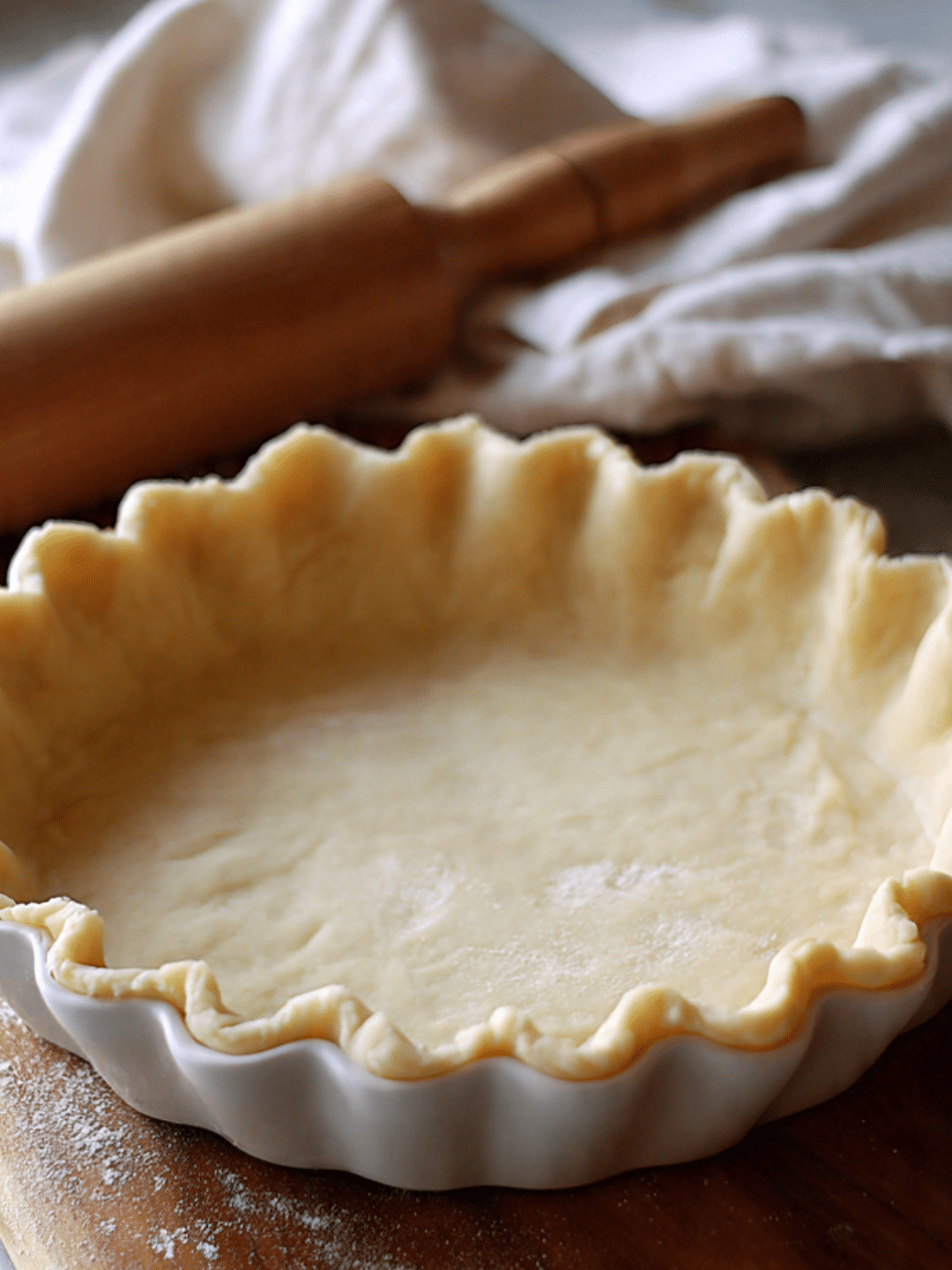
There’s something magical about mastering a perfect pie crust recipe. It’s one of those basic skills that transforms you from “someone who bakes” to “the one everyone asks to bring dessert.” Whether you’re prepping for a cozy fall dinner or a holiday feast, this easy, buttery crust will wrap your filling in flaky, golden goodness every single time.
In this post, we’ll break down exactly how to make a simple pie crust from scratch even if you’ve never baked one before. We’ll talk butter vs. shortening, why chilled ingredients matter, and how to avoid the dreaded soggy bottom. If you’ve struggled with pie crusts in the past, this one’s for you. I’ll even share a few of my personal flops so you don’t have to make them too.
We’re also covering shortcuts for busy moms (hello, Pillsbury refrigerated pie crust) and how to adapt this crust for quiches, pumpkins, apples, and more. Let’s make pie a little less intimidating and a whole lot more fun.
Table of Contents
Key Takeaways: What You Need to Know
- This pie crust recipe uses simple ingredients and real butter for a tender, flaky finish.
- You’ll learn when to use homemade vs. refrigerated pie crust for different recipes.
- We’ll cover pie crust tips for quiche, pumpkin pie, and even apple pie.
- Includes storage tips, freezing instructions, and how to fix common mistakes.
Why Pie Crusts Scared Me (And How I Got Over It)
What made me fall in love with pie crusts?
Confession time: I used to buy the refrigerated pie crust from the grocery store and call it a day. There’s zero shame in that (honestly, I still keep some on hand for emergencies). But one year, after my third kid was born and I was deep in a season of “what am I even doing,” I got this wild idea to make a homemade pie crust for Thanksgiving.
Big mistake or so I thought.
Flour flew. Butter melted too fast. I overworked the dough and baked something that tasted like cardboard wrapped in sadness. But here’s the thing: the kids didn’t care. They still licked their plates. And I realized… I could figure this out.
The next week, I tried again. Less water. Colder butter. Lighter hands. And it worked. That second crust? Flaky, tender, golden brown. It was the start of something I didn’t expect: a deep love for simple baking wins.
Now? Pie crust is my therapy.
Why learning a homemade pie crust recipe is a total game-changer
Making your own pie crust isn’t just about better flavor (though trust me, nothing compares to that buttery, tender bite). It’s about confidence. When you know how to make a reliable crust, suddenly the baking world opens up quiche for brunch, savory pot pies, even simple peach galettes in summer.
I promise you don’t need fancy tools. Just a bowl, a rolling pin, and a little practice. This recipe is the one I use year-round, whether I’m making my favorite cranberry pistachio shortbread cookies for Christmas or baking an easy peanut butter bar with my kids on a rainy afternoon.
Let’s start with the ingredients and why they matter.
What Makes a Pie Crust Recipe Foolproof?
A great pie crust recipe starts with simple ingredients but how you handle them makes all the difference. In this section, we’ll break down what each component does, how to tweak things based on what you’re baking, and when to use store-bought crust without guilt.
Butter vs. Shortening: What’s the best fat for pie crust?
Butter makes a flavorful, flaky pie crust. Shortening gives you structure and tenderness. So which is better? Honestly it depends on the kind of pie you’re baking and your personal preference.
In my kitchen, butter wins. Every time. It gives this pie crust recipe a rich, golden flavor and that unmistakable shatter-in-your-mouth texture. I keep unsalted butter in my freezer at all times just for pie-making days.
But don’t count out shortening. If you’re making a pie crust recipe for quiche or need a crust that holds its shape during blind baking, shortening (or a butter-shortening combo) can be helpful. Some old-school cooks swear by it.
Here’s a simple breakdown:
| Fat Type | Flavor | Texture | Best Use |
|---|---|---|---|
| Butter | Rich, savory | Flaky, crisp | Sweet pies, all-butter crust fans |
| Shortening | Neutral | Tender, sturdy | Quiches, lattice tops |
| Oil (neutral) | Light | Crumbly, soft | Press-in crusts, quick bakes |
Need something fast? Grab a Pillsbury refrigerated pie crust and call it a day. No shame. In fact, I’ve used it in my mango sticky rice tarts and it worked beautifully.
What flour and liquids work best in an easy pie crust recipe?
All-purpose flour is your go-to here. It’s the backbone of nearly every easy homemade pie crust recipe and gives you the structure needed to hold all that delicious filling. Stay away from cake flour it’s too soft and bread flour, which makes things too chewy.
As for liquids, use ice-cold water. Not cool. Ice cold. This prevents the butter from melting into the flour too quickly, which is what creates those flaky layers we all love. I keep a cup of water in the fridge with a few ice cubes and spoon it in one tablespoon at a time.
Want to level up? Add a splash of vodka. Yep vodka. It makes the dough easier to roll without over-activating the gluten. Don’t worry, the alcohol bakes off. (Just don’t tell the kids your pie is “spiked.”)
Optional add-ins: Should I sweeten my pie crust recipe?
Totally up to you. For a simple pie crust used in desserts like apple pie or pumpkin pie, I usually add a teaspoon of sugar. Not for flavor but to help with browning and texture. If I’m using this pie crust recipe for something savory, I skip it.
Speaking of savory, this is the same base dough I use when making an easy pie crust recipe for quiche. Just leave out the sugar, maybe add a pinch more salt, and you’re good to go.
My top tip? Chill everything.
The secret behind every easy pie crust recipe that actually turns out flaky and tender? Cold ingredients. Cold bowl. Cold butter. Cold hands, if possible.
If your kitchen runs warm, pop the flour in the freezer for 10 minutes. Chill your rolling pin. Keep the dough cold until it hits the oven. This step matters more than you think.
Related Recipes You’ll Love Using This Pie Crust:
- Hot chocolate cookies with a buttery crust base.
- Christmas tree cake macarons as a fun dessert pairing.
- Nanaimo bars if you’re craving no-bake sweets but love rich layers.
How to Make This Easy Pie Crust Recipe Step-by-Step
This is the only pie crust recipe I’ve used for years, and it hasn’t let me down once. Whether I’m baking a gooey apple pie or prepping crusts for quiche, this dough is always reliable, buttery, and flaky.
Let’s make it together mess and all.
What ingredients do you need for this pie crust recipe?
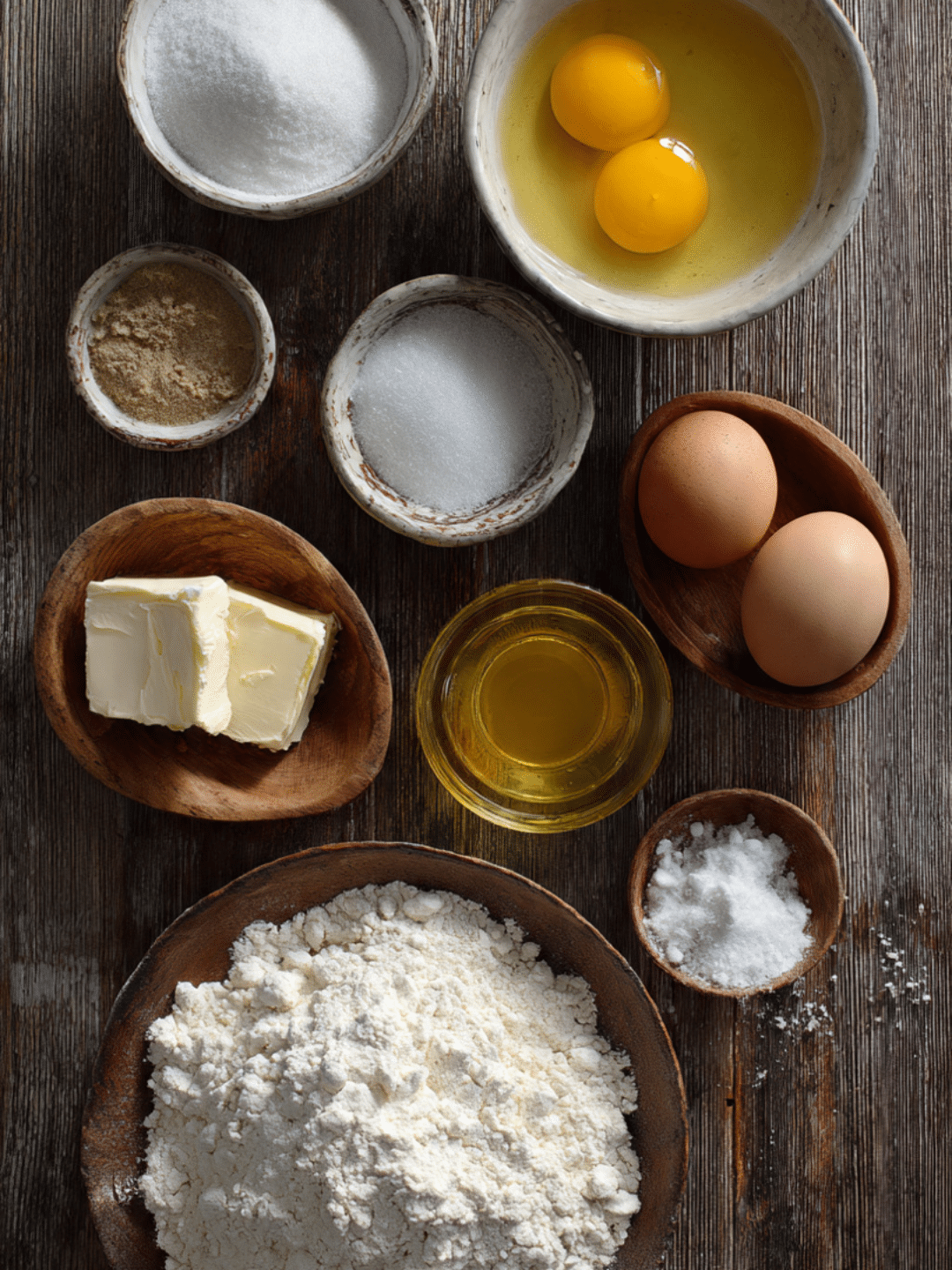
This easy pie crust recipe uses just five ingredients. You probably have them in your kitchen right now.
Ingredients:
- 2½ cups all-purpose flour (plus extra for dusting)
- 1 cup unsalted butter (cold, cut into cubes)
- 1 tsp salt
- 1 tsp sugar (optional for sweet pies)
- 6–8 tbsp ice water
That’s it. No fancy gadgets. No weird stuff. Just real ingredients that work.
Want to make it a pie crust recipe easy butter version? Stick with all butter like we do here. It’s classic and perfect for beginners.
Step 1: Mix the dry ingredients
In a large mixing bowl, whisk together the flour, salt, and sugar (if using). I like using a fork instead of a whisk it feels more hands-on and keeps things rustic.
Why it matters: Mixing the dry ingredients evenly ensures no salty bites or bland spots in your crust.
Step 2: Cut in the butter
Add your cold, cubed butter to the flour mixture. Use a pastry cutter or two forks to cut it in until the mixture looks like coarse crumbs. Pea-sized bits of butter are perfect. That’s where the flakiness comes from.
Lora’s tip: Don’t use your hands they warm up the butter too fast. If needed, pop the bowl in the freezer for a few minutes between steps.
This step makes or breaks your easy homemade pie crust recipe, so take your time here.
Step 3: Add ice water gradually
Start with 6 tablespoons of ice water. Gently mix with a fork or spatula until the dough just comes together. If it’s still dry, add water 1 tablespoon at a time but don’t overdo it.
You want the dough to hold when pressed, but not be sticky. It’s okay if it looks a little shaggy that’s normal.
Step 4: Chill the dough
Turn the dough out onto a floured surface. Divide it into two equal discs. Wrap each disc in plastic wrap and refrigerate for at least 1 hour. Overnight is even better.
Why chill? This step relaxes the gluten and firms up the butter, giving you a tender, flaky pie crust that doesn’t shrink in the oven.
If you’re in a rush, a 30-minute chill will do. But I always say: pie crust waits for no one, and that’s part of its charm.
Step 5: Roll it out
Dust your counter and rolling pin with flour. Roll one disc of dough from the center outward, rotating as you go, until it’s about ⅛-inch thick and 1–2 inches larger than your pie dish.
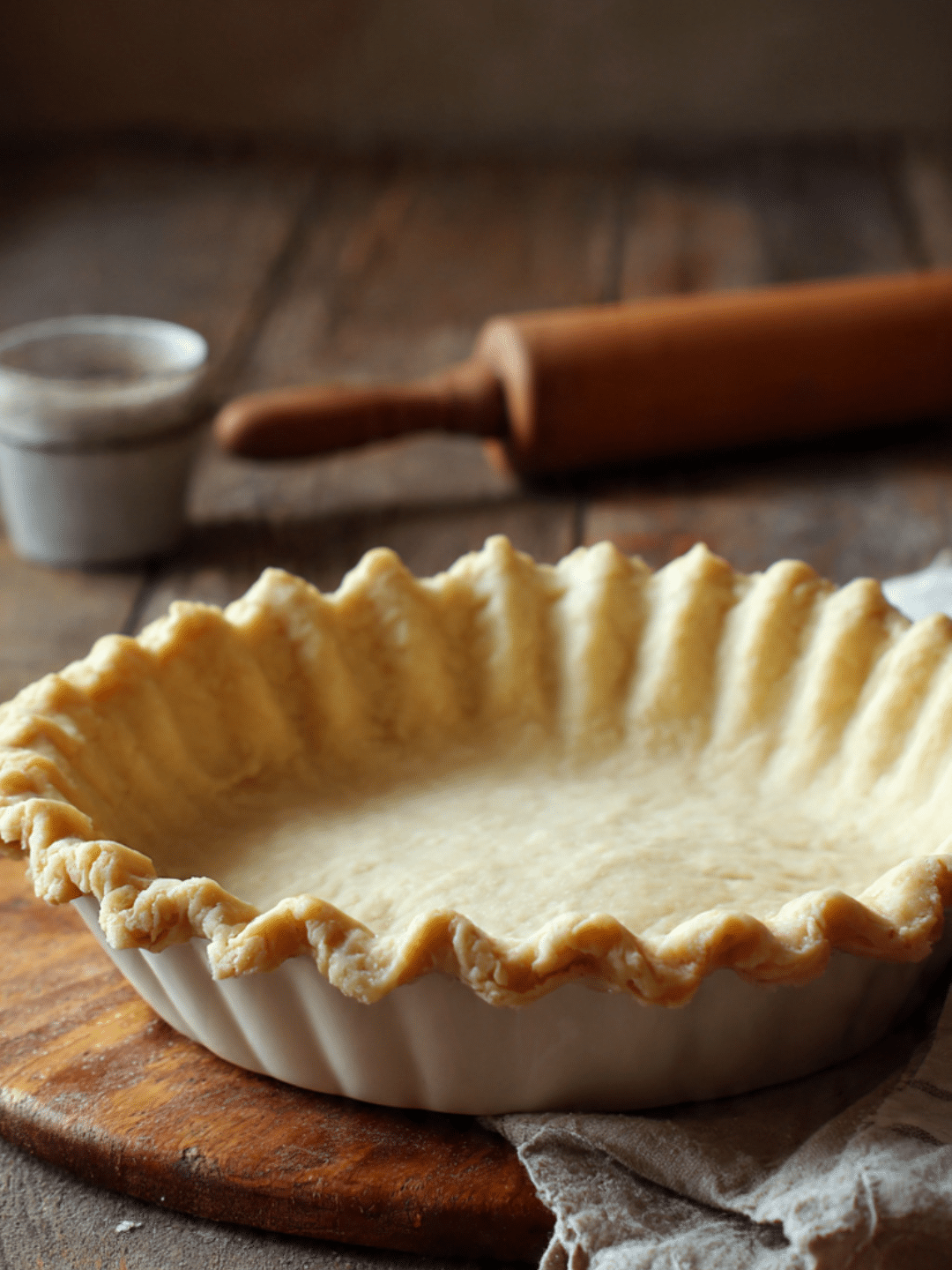
Gently lift and place the crust into your pan. Trim the edges and crimp as you like rustic is beautiful.
This is the perfect base for everything from easy pumpkin pie crust recipes to easy refrigerator pie recipes you whip up on a summer night.
Want a pre-baked shell?
For refrigerated pie crust dessert recipes or cream pies, you’ll want a baked shell. To do this:
- Preheat oven to 375°F.
- Prick the bottom with a fork.
- Line with parchment paper and fill with pie weights or dried beans.
- Bake 15 minutes, remove weights, and bake another 10–12 minutes until golden.
Done. You just made your first from-scratch pie crust recipe like a pro.
Tried and true: This works for quiches and savory pies too
If you’re making a savory dish, skip the sugar. That’s it. This crust bakes beautifully with egg fillings, veggies, and even meats making it the ideal easy pie crust recipe for quiche.
More Recipes That Use This Pie Crust Recipe:
- Try it under a swirl of chocolate in my muddy buddies bars
- Slice it up for buttery-crisp tartlets to serve with hot chocolate cookies
- Use it for mini pies and freeze them for quick school-night desserts
How to Store, Freeze & Reuse This Pie Crust Recipe
You’ve made your dough. Maybe even baked your first pie. But what happens next? If you’re anything like me, you’ve got a toddler at your heels and a to-do list a mile long. That’s why I always make a double batch of this pie crust recipe and save one for later.
Can you freeze this pie crust recipe?
Absolutely and you should. This easy pie crust recipe freezes beautifully. Once you’ve shaped the dough into discs and wrapped them tightly in plastic wrap, pop them into a zip-top freezer bag. Label with the date and freeze for up to 3 months.
To use, thaw in the fridge overnight. Then let it sit on the counter for 10 minutes before rolling.
If you’ve already rolled out your crust, you can freeze it flat between layers of parchment or even in a pie tin. This is especially helpful when prepping for holiday bakes.
How long does homemade pie dough last in the fridge?
This homemade pie crust recipe holds well in the fridge for up to 3–4 days, as long as it’s tightly wrapped to prevent drying out. I often make the dough on a Sunday and bake with it later in the week.
And here’s a tip: if the dough feels a bit dry after refrigeration, sprinkle a few drops of cold water and gently knead it once or twice. Good as new.
Can I use this pie crust recipe with canned fillings?
Yes, yes, yes. This simple pie crust is the perfect foundation for easy bakes including canned apple, cherry, or pumpkin fillings. I use it often when I want that homemade taste without the extra prep.
This is where it really outshines even the best refrigerated pie crust from the store: the flavor is just richer, the flake more delicate. That said, I still keep Pillsbury refrigerated pie crusts in my fridge. They’re great for backup and perfect for recipes like hand pies or mini tart shells.
Real-life testimonial from a reader
“Lora, I made your pie crust recipe for Thanksgiving and I nearly cried. It was the first time I didn’t burn the edges or get a soggy bottom. My mom actually asked if I bought it it looked that good. I’ve got two crusts in my freezer now for Christmas pies!”
Jessica M., Bend, Oregon
I love this so much. Jessica’s message reminded me why I do this to help other busy moms get real wins in the kitchen.
What if your crust cracks, tears, or shrinks?
Cracks? Patch with a little extra dough and a splash of water.
Tears while transferring? Fold your crust gently into quarters and unfold it in your pan (this old-school trick works every time).
Shrinkage during baking? That usually means your dough wasn’t chilled enough. Next time, chill it longer, don’t stretch it into the pan, and try blind baking with weights.
We’ve all been there even experienced bakers mess up a crust or two. But when you’ve got a solid pie crust recipe like this one in your back pocket, it’s easy to bounce back.
Bonus: Turn leftovers into sweet treats
Have extra scraps? Don’t toss them. Roll them out, sprinkle with cinnamon sugar, and bake at 375°F for 8–10 minutes. Boom: pie crust cookies. My kids fight over these every single time.
And yes, they go perfectly with Christmas Tree Cake Macarons or a cup of hot cocoa.
How to Use This Pie Crust Recipe for Any Pie You Love
This isn’t just a one-hit-wonder crust. It’s the kind of pie crust recipe you can memorize, adapt, and use all year long. Whether it’s warm apple pie in the fall or savory tomato quiche in the summer, this crust shows up flaky and delicious every time.
Let’s break it down by filling type so you know exactly what to do.
Easy apple pie crust recipe: Do you bake it first?
For apple pie, there’s no need to pre-bake the crust. Just roll it, press it into your dish, fill it with sliced apples tossed in sugar and spices, and top with a second crust or crumb topping. The apples bake long enough (usually 50–60 minutes at 375°F) that the crust bakes beautifully underneath.
A few tips:
- Chill your crust while prepping the filling it keeps the butter cold.
- Brush the top crust with egg wash and sprinkle with sugar for shine and crunch.
- Protect the edges with foil if they brown too fast.
This easy apple pie crust recipe also works for other fruit pies like peach, blueberry, and cherry.
Easy pumpkin pie crust recipe: Should you par-bake?
Yes. For pumpkin pie, always par-bake your crust to avoid the dreaded soggy bottom. Here’s how:
- Roll your dough and fit it into the pan.
- Chill 30 minutes.
- Prick the bottom with a fork.
- Bake at 375°F for 15 minutes with pie weights.
- Remove weights and bake another 5–7 minutes until just golden.
Then, fill with pumpkin mixture and bake as usual. This helps the crust stay crisp even with the wet custard filling.
Whether you’re making grandma’s recipe or trying a shortcut version with canned mix, this easy pumpkin pie crust recipe holds its shape and flavor.
Using this pie crust for savory pies or quiche?
This is where this easy pie crust recipe really shines. The all-butter flavor pairs beautifully with eggs, cheese, herbs, and roasted veggies. You don’t even have to make a separate savory dough just skip the sugar and go.
For quiche or other custard-based savory pies:
- Always par-bake the crust (same as pumpkin pie method).
- Let the crust cool before adding filling.
- Bake until the center is just set don’t overbake or it’ll crack.
This crust pairs well with recipes like spinach-feta quiche, chicken pot pie, or even a rustic galette with tomatoes and goat cheese.
What about refrigerated pie crusts?
When life is wild (hello school pickups and dentist appointments), I reach for Pillsbury refrigerated pie crust. It’s a great backup and works for most recipes. But here’s the trick: always bring it to room temp before unrolling. Cold dough cracks fast.
You can use refrigerated dough in:
- Refrigerated pie crust dessert recipes like mini hand pies, pop tarts, or slab pies
- Weeknight easy refrigerator pie recipes with whipped cream and pudding
- Press-in tart pans when you don’t feel like rolling
If you’re using refrigerated crust, try brushing it with melted butter before baking. It gives that homemade feel even when you’re short on time.
Try this pie crust recipe with:
- Fruit pies: apple, peach, strawberry rhubarb
- Custard pies: pumpkin, chocolate, coconut cream
- Savory pies: pot pie, meat pie, veggie tart
- No-bake fillings: chill the crust after baking and fill with mousse or pudding
Pair this pie crust with these cozy favorites:
- Add a slice of pie to a plate with Nanaimo bars for an epic dessert board.
- Serve warm with muddy buddies as a crunchy topping over cream pies.
- Add crust scraps to cranberry pistachio shortbread cookies for a festive twist.
Easy All-Butter Pie Crust Recipe
Ingredients
Equipment
Method
- In a large mixing bowl, whisk together the flour, salt, and sugar if using.
- Add the cold cubed butter and cut it into the flour using a pastry cutter or forks until pea-sized crumbs form.
- Add 6 tablespoons of ice water and gently mix until the dough begins to come together. Add more water 1 tablespoon at a time if needed.
- Turn dough onto a floured surface, divide into two discs, wrap tightly, and refrigerate for at least 1 hour.
- Roll out one chilled disc to 1/8-inch thickness and fit into a pie dish. Trim and crimp edges as desired.
- Fill and bake according to your pie recipe, or par-bake if required for custard or cream pies.
Nutrition
Notes
Tried this recipe?
Mention @Cheflorarecipes or tag #cheflorarecipes!Common Pie Crust Recipe Mistakes (And How to Fix Them)
Even with the best pie crust recipe, things can go sideways. Trust me, I’ve made every crust mistake in the book cracked dough, shrinking edges, and soggy bottoms that could double as a sponge.
But here’s the good news: most problems are easy to fix once you know what’s going wrong.
Let’s tackle the most common issues so your pie crust comes out perfect, even when your kitchen is chaos.
Why does my pie crust crack when I roll it?
This usually happens when the dough is too dry or too cold.
Fix it:
Let the dough rest at room temp for 10 minutes, then try again. If it still cracks, mist it lightly with water and knead gently until it’s smooth. Just don’t overwork it that leads to the next issue…
Why is my pie crust tough or chewy?
This is a classic sign of overworking the dough or using too much water.
Fix it:
Handle your dough like a baby bird. Mix only until it holds together. Always use ice-cold water and add it slowly. When you use this easy homemade pie crust recipe, aim for just enough moisture to hold the dough no more.
Why did my pie crust shrink in the oven?
Ugh, the dreaded shrink-wrap effect. This often means the dough wasn’t chilled enough, or it was stretched into the pan.
Fix it:
Never stretch the dough. Always roll it slightly larger than your pan and gently lower it in. Let it settle naturally, and chill the crust in the pie pan for 30 minutes before baking.
This trick alone saved my easy pie crust recipe for quiche when I first started making brunch for friends.
Why is the bottom of my crust soggy?
Soggy bottoms they’re the villain of every baker’s story. The most common causes? Not blind baking when needed or using too-wet fillings.
Fix it:
- Always par-bake crusts for custard or pudding pies.
- Use a glass or metal pie dish for better heat transfer.
- Brush the bottom crust with a beaten egg before filling. It creates a barrier that helps crisp it up.
I use this trick every time I make my easy pumpkin pie crust recipe, and it works like a charm.
Why does my pie crust recipe melt in the oven?
If your crust slumps or melts down the sides, it’s likely the butter was too soft before baking.
Fix it:
Make sure your crust is cold really cold when it goes into the oven. I like to freeze my shaped crust for 10–15 minutes before baking, especially in warm weather. This is key whether you’re using this recipe or a Pillsbury refrigerated pie crust.
Why isn’t my pie crust golden and flaky?
Color = flavor. If your crust looks pale, it might need more time in the oven or a little help on the surface.
Fix it:
- Brush with egg wash (1 egg + 1 tbsp water) for shine and color.
- Sprinkle with sugar for sweet pies, or flaky sea salt for savory ones.
- Don’t fear a few extra minutes in the oven flaky = baked through.
This works wonders for easy apple pie crust recipes your top crust will come out golden and glorious.
Can I fix a bad pie crust after baking?
Not completely but you can cover up the flaws.
- Patch cracks with whipped cream or meringue.
- Turn broken crust into pie parfaits layered in cups (no one complains).
- Scrape off burnt edges and serve with ice cream.
And remember, your family doesn’t care if your crust isn’t perfect they care that you showed up with something made from love. That’s what this pie crust recipe is all about.
Bonus Recipes, Reader Tips & Fresh Pie Crust Inspiration
By now, you’ve mastered the basics of a buttery, flaky pie crust recipe. But let’s take it a step further. This section is full of fresh ideas, fun variations, and smart reader tips that bring the crust to life in totally new ways.
After all, once you’ve got the dough down, the possibilities are endless.
Creative spins on the classic pie crust recipe
Want to switch it up? Here are a few easy upgrades to this simple pie crust that take it from classic to unforgettable:
- Brown Sugar Butter Crust: Swap 2 tablespoons of flour with brown sugar. Adds a sweet, caramel depth perfect for apple pie.
- Cheddar Herb Crust: Add ½ cup shredded sharp cheddar + 1 tsp dried thyme. Ideal for savory hand pies and quiches.
- Vanilla Bean Pie Crust: Scrape in the seeds of ½ vanilla bean (or 1 tsp extract). This elevates fruit pies and pudding fillings.
These tweaks turn your standard easy pie crust recipe with butter into something uniquely yours.
Reader-favorite uses for extra pie dough
So many of you have shared creative ways to use leftover scraps from this pie crust recipe here are a few of my favorites:
“I roll out extra dough and cut stars and hearts for pie toppers. My kids call them ‘pie chips’ and dip them in whipped cream!”
Mariah B., Dallas, TX
“Leftover dough? I brush it with butter, sprinkle with cinnamon sugar, and bake. My husband calls it pie crack.”
Ellie M., Missoula, MT
These ideas are not only fun but a great way to avoid waste and create bonus treats and they work with Pillsbury refrigerated pie crust, too.
Turn this pie crust into a dessert table showstopper
Looking to impress? Use this easy pie crust recipe as a base for:
- Mini strawberry tarts (you can even top with Marzetti-style glaze if you’re into copycat recipes)
- Rustic galettes with stone fruit, berries, or thinly sliced apples
- Chocolate cream pies made with a blind-baked crust and topped with shaved chocolate
- Peanut butter mousse pies with a salted butter crust try it with my peanut butter bars for a combo that wins every time
This crust also works beautifully for no-bake fillings just fully bake and cool the shell.
Final word from my kitchen to yours
I know what it’s like to feel intimidated by a recipe. To wonder if it’ll be worth the effort. To scroll past the pictures and think, “Will mine really turn out like that?”
But here’s what I’ve learned: it’s not about perfection. It’s about trying. About showing up for yourself, your people, and letting the crust crumble sometimes.
This pie crust recipe has seen birthday pies, heartbreak pies, just-because-it’s-Wednesday pies. It’s made me proud and taught me patience. And now? It’s yours too.
I hope it brings you as much joy as it’s brought me.
FAQs About pie crust recipe
How do you bake frozen pie crust?
To bake a frozen pie crust, preheat your oven to 375°F. Prick the bottom of the crust with a fork, line it with parchment paper, and fill with pie weights. Bake for 15 minutes, remove the weights, and bake for another 10–12 minutes until golden. Let cool before filling.
What is the Marzetti recipe for strawberry pie?
Marzetti’s strawberry pie typically features a pre-baked crust filled with fresh strawberries and coated in a glossy, sweet glaze. The glaze is made with sugar, cornstarch, water, and strawberry gelatin. Pour over the berries and chill for at least 2 hours before serving.
Shortening vs. Butter: Which is better for a flaky pie crust?
Butter creates a flavorful, golden, and flaky crust, while shortening gives tenderness and structure. Many bakers prefer an all-butter crust for taste, but shortening is useful for decorative edges and holding shape. You can also use a mix for the best of both worlds.
What is a recipe for whoopie pie using cake mix?
To make whoopie pies with cake mix, combine 1 box of chocolate cake mix, ¾ cup water, ½ cup oil, and 3 eggs. Bake spoonfuls on a lined baking sheet at 350°F for 10–12 minutes. Cool, then fill with marshmallow fluff or cream cheese frosting.
Conclusion: Your Go-To Pie Crust Recipe for Every Occasion
There’s a reason this pie crust recipe has earned a permanent spot in my kitchen binder. It’s reliable. It’s forgiving. It tastes like home. Whether you’re baking for the holidays, a weekend brunch, or just craving a slice of something warm and flaky this crust delivers.
You’ve now got the skills, the tips, and the confidence to make a pie crust that rivals grandma’s (maybe even better… but we’ll keep that between us). Don’t worry about perfection. Worry about flavor, about love, about memories made around the table.
From my busy Oregon kitchen to yours you’ve got this.