Post Disclaimer
Disclaimer: This content is for educational purposes only, not medical advice. Always consult with a doctor before making significant changes to your diet, especially if you have pre-existing health conditions.
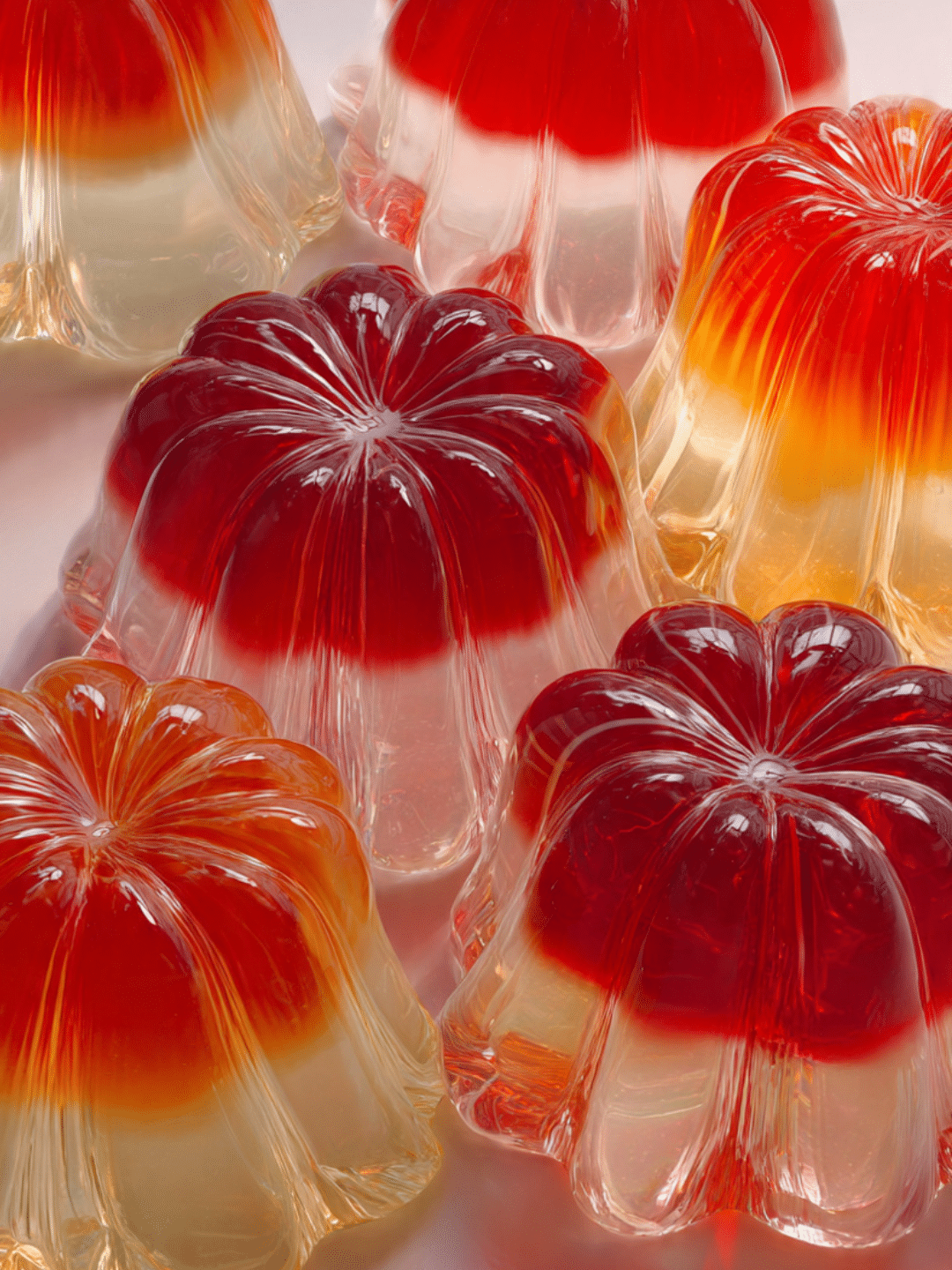
The first time I tasted kanten jelly, I was sitting on a tiny wooden bench outside a quiet café in Kyoto. It was a warm spring afternoon, and the jelly sparkled in a glass bowl, studded with fresh strawberries and a hint of citrus. One spoonful, and I was hooked. Light, clean, just the right amount of sweetness and completely unlike anything I’d ever made in my own kitchen.
That’s exactly why I’m so excited to share this with you today.
Hi there, I’m Lora, your friendly kitchen companion and the heart behind Cheflora Recipes. I’m a home chef who believes that delicious food doesn’t have to be fancy or complicated it just needs a little love and the right touch. And kanten jelly? It’s one of those dishes that checks all the boxes.
Whether you’re cooking for your family, trying out vegan treats, or just curious about traditional Japanese sweets, this kanten jelly recipe is about to become a favorite. It’s naturally vegan, quick to prepare, and customizable with any fruit you love.
But first…
Let’s break down what you need to know about this firm, crystal-clear jelly that’s taken over Japanese kitchens and now, yours too.
Table of Contents
KEY TAKEAWAYS: What You Need To Know
Kanten jelly is a traditional Japanese dessert made from agar-agar, a plant-based gelatin alternative. It sets without refrigeration, is naturally vegan, and pairs beautifully with fruits or teas. Learn how to make this light, low-calorie jelly at home using just a few simple ingredients.
What Is Kanten Jelly?
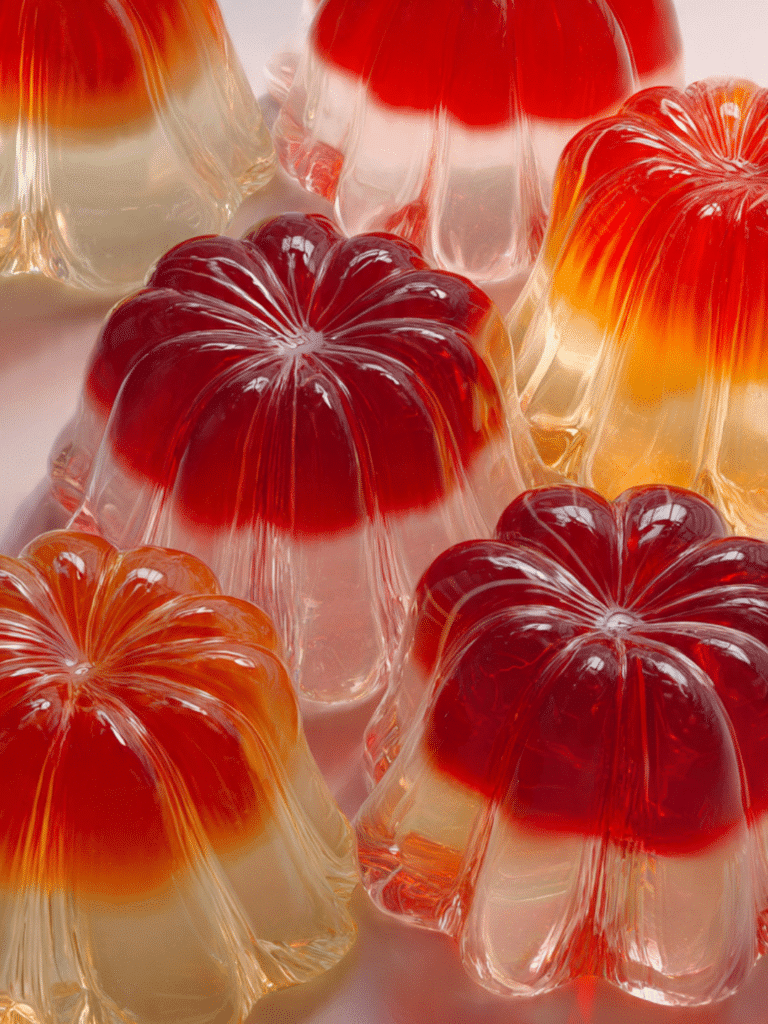
Kanten jelly is a firm, crystal-clear dessert made from agar-agar, a natural gelling agent derived from red algae. Unlike traditional gelatin, which is animal-based, kanten is entirely plant-based making it ideal for vegan desserts or anyone avoiding animal products. If you’re learning how to make kanten jelly, you’re stepping into a long-standing Japanese culinary tradition that’s as healthy as it is beautiful.
Originally used by Buddhist monks as early as the 17th century, kanten has been a staple in Japanese cooking for centuries. Today, it’s used in everything from traditional wagashi (Japanese confections) to modern fruit jellies and layered parfaits. You’ll also see it pop up in savory dishes like aspics or even vegan sushi sides. But its most popular use by far? Sweet, fruit-filled jelly cups.
If you’re searching for a lighter alternative to heavy desserts, learning how to make kanten jelly is a terrific choice. It sets quickly, doesn’t require refrigeration to firm up, and holds its shape beautifully even at room temperature.
Why Is Kanten Jelly So Special?
Here’s what makes kanten different from regular gelatin:
- Vegan and plant-based: Made from seaweed, not collagen.
- Firmer texture: Holds shape better, perfect for molded desserts.
- Room-temp setting: No need to chill for hours.
- Clear and neutral: It absorbs any flavor you pair it with.
Knowing how to make kanten jelly means you can create gorgeous, fruit-studded treats with no animal byproducts, no artificial thickeners, and zero guilt.
Whether you’re building a clean-eating dessert, hosting a party, or simply trying out more Japanese kanten recipes, this is one sweet treat you’ll want to master. Later in this guide, I’ll even show you how to make Japanese kanten fruit jelly layered with berries or infused with matcha for a stunning twist.
Ingredients & Tools for How to Make Kanten Jelly
If you’re serious about learning how to make kanten jelly, the good news is you only need a few ingredients and basic tools. What makes kanten such a beloved staple in Japanese desserts is its simplicity. It’s all about combining agar, water, and your favorite natural flavors to create a dessert that’s light, refreshing, and endlessly customizable.
So let’s break down exactly what you need.
Key Ingredients in Any Kanten Jelly Recipe
To master how to make kanten jelly, start with the essentials:
- Agar-agar powder (or bars): This is your vegan gelling agent. Make sure it’s labeled “kanten” or “agar” and is food-grade.
- Water: The base for dissolving your agar.
- Sweetener: You can use sugar, maple syrup, or even honey (if not strictly vegan).
- Fresh fruit: Think berries, kiwi, oranges, grapes, or mango. These are ideal for kanten fruit jelly recipes.
- Flavor enhancers (optional): Lemon juice, vanilla extract, matcha powder, coconut water, or mint leaves.
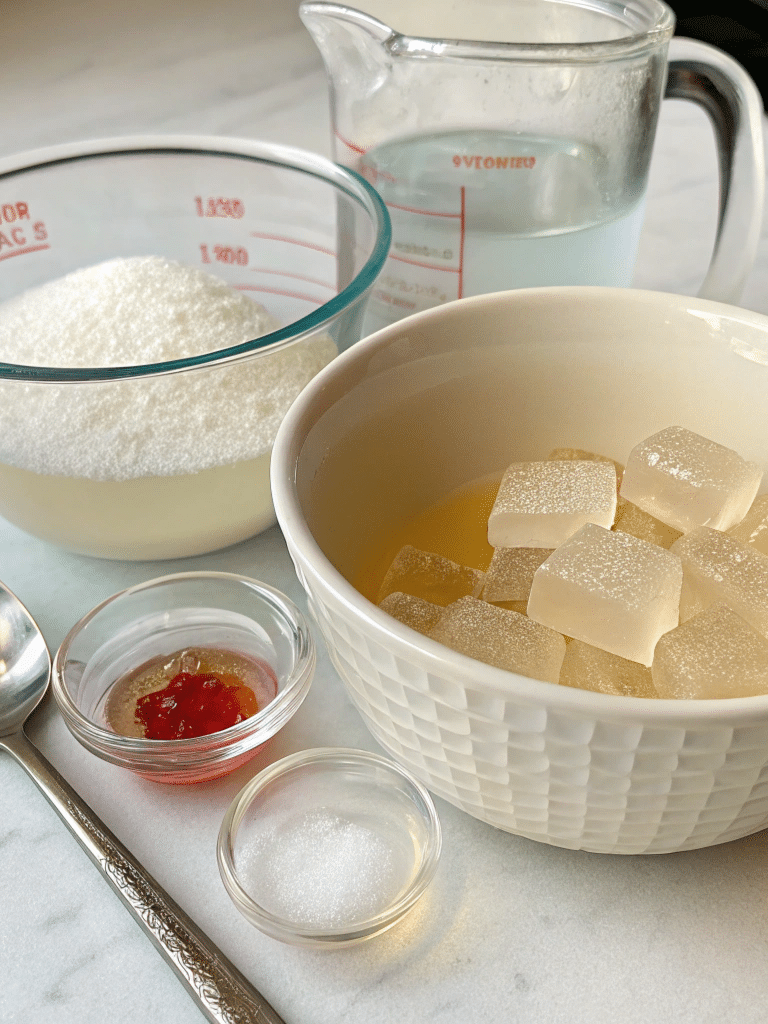
These are the foundational ingredients you’ll use again and again if you’re diving deep into Japanese kanten jelly recipes. Once you understand how to make kanten jelly using these building blocks, you can start experimenting with beautiful layers, unique flavor infusions, and creative molds.
Pro Tip: When using fruit in your jelly, make sure to avoid raw pineapple or papaya—they contain enzymes that break down the agar and prevent your jelly from setting.
Tools You Need to Make Kanten Jelly at Home
One of the best things about learning how to make kanten jelly is that it doesn’t require any fancy equipment. In fact, most of what you’ll need is probably already in your kitchen:
- Small saucepan: To dissolve the agar powder fully in water.
- Whisk or spoon: For stirring the mixture as it simmers.
- Measuring spoons/cups: Precision matters when using agar.
- Silicone molds or a baking dish: Use molds for fun shapes or a dish for easy slicing.
- Fruit knife and board: For prepping your fresh fruits neatly.
- Ladle or spoon: To carefully pour the jelly into molds around your fruit.
If you’re just starting out, keep it simple. Even a basic loaf pan will work beautifully when you’re practicing how to make kanten jelly for the first time. As you get more confident, you can start playing with traditional Japanese molds or creative layering techniques.
How to Make Kanten Jelly: Step-by-Step Recipe
Now that you’ve got your ingredients and tools ready, it’s time to walk you through exactly how to make kanten jelly. This step-by-step method is the foundation of every kanten jelly recipe, whether you want to keep it simple or layer in colorful fruits and flavors. Once you understand this basic process, you’ll know how to make kanten jelly that’s clean, crisp, and gorgeous every single time.
Here’s a quick overview, followed by detailed steps.
Basic Kanten Jelly Recipe
If you’re just learning how to make kanten jelly, start with this basic formula.
| Ingredient | Amount |
|---|---|
| Water | 2 cups |
| Agar-agar powder | 1 tsp |
| Sugar or sweetener | 2–3 tbsp (to taste) |
| Chopped fruit (optional) | ½–1 cup |
Instructions: How to Make Kanten Jelly at Home
- Combine water and agar:
In a small saucepan, stir together agar-agar powder and cold water. This is the first and most crucial step in learning how to make kanten jelly correctly never skip the cold mixing stage. - Bring to a boil and dissolve:
Heat the mixture over medium heat, stirring constantly until the agar fully dissolves. If you don’t fully dissolve it, your kanten won’t set properly. - Add sweetener and flavor:
Add sugar, maple syrup, or your favorite natural sweetener. If you’re flavoring with lemon juice, coconut water, or vanilla, now’s the time. These simple flavor additions are what transform a basic kanten jelly recipe into something truly memorable. - Pour into molds:
Carefully pour the hot mixture into your molds or dish. If you’re using fruit, gently arrange pieces into each mold or press them into place in a dish before pouring the jelly. - Let it set:
This is where kanten shines. It starts to set at around 104°F (40°C), meaning it’ll firm up right on your counter within 30–60 minutes. No refrigeration needed. That’s a key reason why more people are learning how to make kanten jelly for everyday snacking. - Chill if desired:
While not required, chilling gives it a crisp texture that’s perfect for summer. - Unmold and serve:
Pop your jelly out of the molds and enjoy! Slice if using a pan.
Bonus: How to Make Kanten Fruit Jelly with Layers
Once you’ve mastered the basics of how to make kanten jelly, try building layers:
- Pour a thin layer of jelly base into molds
- Let it partially set
- Add fruit or flavor, then pour another layer
- Repeat as desired for a rainbow kanten fruit jelly
Layered versions are a big hit in traditional japanese kanten fruit jelly recipes, especially at tea ceremonies and celebrations. It’s a beautiful way to showcase fresh fruit and it’s surprisingly easy once you understand how to make kanten jelly from scratch.
If you’re curious about other light, refreshing health tricks like this, you’ll love the Dr. Oz gelatin weight loss recipe another clever, clean option inspired by functional ingredients.
Japanese Kanten Jelly with Fresh Fruit
Ingredients
Equipment
Method
- In a small saucepan, whisk the agar-agar powder into cold water until fully combined.
- Bring the mixture to a gentle boil over medium heat, stirring constantly, and simmer for 2 minutes until the agar is fully dissolved.
- Add sugar or sweetener and optional flavoring, stirring until dissolved.
- Arrange fresh fruit in molds or a shallow dish, then carefully pour the hot jelly mixture over the fruit.
- Let the jelly set at room temperature for 30–60 minutes until firm.
- Chill briefly if desired, then unmold, slice, and serve.
Nutrition
Notes
Tried this recipe?
Mention @Cheflorarecipes or tag #cheflorarecipes!Expert Tips, Fruit Pairings & Storage for How to Make Kanten Jelly
Once you know how to make kanten jelly, it opens the door to a refreshing world of creative desserts. But getting the best texture, flavor, and visual appeal takes a little know-how. Whether you’re serving it for guests or prepping a weekly treat, the tips below will help your kanten fruit jelly turn out perfect every time.
Smart Tips for Perfect Kanten Jelly Every Time
If you’ve ever struggled with jelly that won’t set or fruit that floats to the top, these tips will help you improve each time you practice how to make kanten jelly.
- Always dissolve the agar completely: This is non-negotiable. If the agar doesn’t fully dissolve, the jelly will come out grainy or soft. Whisk continuously while simmering for at least 2 minutes.
- Use the right agar-to-liquid ratio: Too little agar makes a weak set. Too much? You’ll get rubbery jelly. Stick to the standard: 1 teaspoon agar powder per 2 cups of water.
- Layer slowly for clean stripes: If you’re layering colors or flavors, let each layer firm slightly before adding the next. That’s a classic trick in japanese kanten fruit jelly recipes.
- Don’t over-sweeten: Kanten doesn’t mask sugar the way gelatin does. Taste your mixture before pouring, and balance it with citrus or fruit juice when needed.
- Trim fruit evenly: Keep fruit slices thin and similar in size. This helps them suspend beautifully in the jelly and prevents sinking.
What Fruit Goes Best in Kanten Jelly?
A big reason why people love learning how to make kanten jelly is the freedom to use fresh, seasonal fruit. It’s a light, healthy way to enjoy sweets especially during warmer months.
Here are the best fruit options for any kanten fruit jelly recipe:
- Strawberries: Slice thinly and layer flat for maximum visual appeal.
- Kiwi: Tangy, vibrant, and firm enough to hold shape in jelly.
- Mandarin oranges: Peeled and segmented for a burst of citrus.
- Mango: Ripe but firm chunks work beautifully.
- Blueberries & grapes: Add whole for contrast and texture.
Avoid raw pineapple, papaya, and figs. These contain enzymes that break down agar and stop the jelly from setting. If using them, pre-cook or can them first.
Looking for more digestion-friendly options? Pair this jelly with our ginger trick recipe or lemon and olive oil combo two soothing favorites loved by our readers.
How Long Does Kanten Jelly Last?
After learning how to make kanten jelly, the next question is usually: how long does it keep?
- Fridge Life: Kanten jelly stays fresh in the fridge for 3 to 5 days. Keep it in an airtight container or cover tightly to prevent drying out.
- Room Temp Stability: It’s shelf-stable for short periods! Since it sets at room temperature, you can safely leave it out for a few hours at a party or picnic.
- Freezing? Avoid it: Freezing will ruin the texture. The jelly becomes watery and unpleasant after thawing.
Pro Serving Suggestions
Once you’ve nailed how to make kanten jelly, here are some tasty ways to serve it:
- Cubed over Greek yogurt or coconut cream
- In a bowl with fruit syrup or coconut milk
- Layered into vegan parfaits
- Sliced with fresh mint and citrus zest on top
Want to keep things clean and lean? Serve your jelly with a cup of LuluTox Detox Tea another gentle, body-friendly favorite.

FAQs About How to Make Kanten Jelly
What does Kanten jelly taste like?
Kanten jelly has a clean, neutral flavor with a firm, crisp texture. Unlike animal-based gelatin, it’s not jiggly or soft. When you learn how to make kanten jelly, you’ll find that its taste comes mostly from the added fruits, teas, or sweeteners you use. It’s light, refreshing, and not overly sweet making it ideal for summer desserts or health-conscious treats.
How long does Kanten jelly last?
Homemade kanten jelly lasts about 3 to 5 days in the refrigerator. It holds its shape better than gelatin and doesn’t require cold storage to set, but refrigeration keeps it fresh longer. If you’re preparing large batches after mastering how to make kanten jelly, store them in an airtight container to prevent drying or odor absorption.
What fruit goes well with Kanten jelly?
The best fruits for kanten jelly are those that are firm, sweet, and low in enzyme activity. These include:
Strawberries
Kiwis
Oranges
Mangoes
Grapes
Blueberries
Avoid using raw pineapple, papaya, or figs in your kanten fruit jelly, as their natural enzymes can prevent the jelly from setting. You can still use them if cooked or canned.
Learning how to make kanten jelly with seasonal fruit is one of the easiest ways to keep your desserts fresh, healthy, and visually stunning.
How to make Kanten fruit jelly?
To make a simple kanten fruit jelly:
Simmer 1 tsp agar-agar powder with 2 cups of water, stirring to dissolve.
Add sugar or flavoring (like lemon juice or tea).
Pour into molds with chopped fruit.
Let it cool at room temperature until fully set.
That’s all it takes! Once you learn how to make kanten jelly in this basic format, you can try layering different flavors, colors, or even floating edible flowers inside for visual appeal.
Is Kanten jelly the same as agar jelly?
Yes. In most English-language recipes, kanten and agar are used interchangeably. However, kanten typically refers to the Japanese preparation using agar-agar as the gelling base. When you’re learning how to make kanten jelly, look specifically for Japanese-style agar powder or bars for the most authentic results.
Can I freeze Kanten jelly?
No, kanten jelly should not be frozen. While it’s firm and stable at room temperature, freezing causes the jelly to lose its structure and turn watery once thawed. If you’re learning how to make kanten jelly for meal prep or events, it’s best to refrigerate and consume within 5 days.
Final Thoughts on How to Make Kanten Jelly
Now that you know exactly how to make kanten jelly, you’ve unlocked a truly special kind of dessert simple, beautiful, and naturally vegan. Whether you’re drawn to its light texture, its clean ingredients, or the endless ways to customize it with fresh fruits and teas, this jelly delivers more than just sweetness. It brings peace-of-mind comfort food that anyone can make at home.
When I first learned how to make kanten jelly, I thought of it as just another Japanese recipe. But it quickly became a staple in my kitchen one that’s easy to whip up, surprisingly impressive to serve, and endlessly adaptable. I now keep agar powder stocked right next to my olive oil and tea bags.
If you’ve enjoyed this guide, you might also love our other clean and comforting recipes like the ginger trick recipe, the classic lemon and olive oil digestive blend, or even the olive oil trick that’s gone viral for good reason.
Cheflora Recipes isn’t just about food it’s about building confidence in the kitchen, one honest dish at a time. I’m Lora, and whether you’re cooking for your kids, your partner, or just treating yourself after a long day, I’m here to help you do it with flavor and heart.
So the next time you need a dessert that’s gentle, elegant, and guilt-free, come back to this one. Once you know how to make kanten jelly, you’ll never run out of ways to enjoy it.