Post Disclaimer
Disclaimer: This content is for educational purposes only, not medical advice. Always consult with a doctor before making significant changes to your diet, especially if you have pre-existing health conditions.
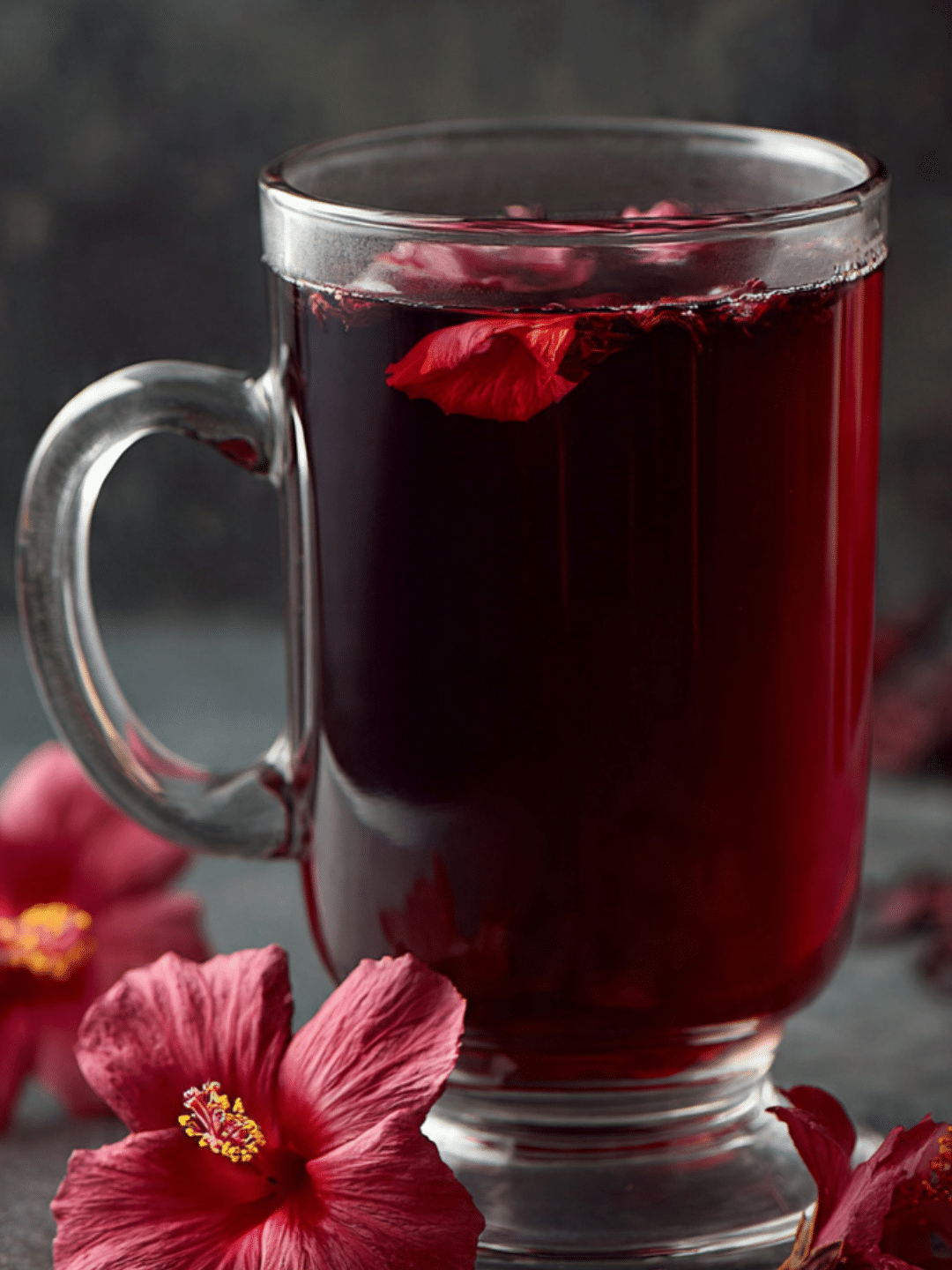
I still remember the first time I tried hibiscus tea. It was one of those chaotic Oregon mornings lunches to pack, a toddler melting down over socks, and a to-do list longer than my arm. I skipped my usual coffee and grabbed something new: a ruby-red tea someone had gifted me.
The first sip surprised me. Tart, tangy, and floral like cranberry’s more elegant cousin. What really caught my attention, though, were the hibiscus tea benefits my friend kept raving about.
Turns out, this colorful herbal tea is more than just pretty. It’s packed with powerful antioxidants, may support heart health, and could even help manage blood pressure and inflammation. And unlike my fourth cup of coffee, it didn’t leave me jittery or crashing.
So I started experimenting. Different ways to brew it. Cold versus hot. When to drink it. How much. It became a small ritual in my day and honestly, one of the better health choices I’ve made as a busy mom.
In this article, I’ll break down exactly what makes hibiscus tea special, how to brew it for the biggest benefits, what to watch out for, and how it stacks up next to other herbal teas. Let’s dive in.
Table of Contents
Key Takeaways: What You Need to Know About Hibiscus Tea Benefits
- Hibiscus tea is an herbal infusion made from dried hibiscus petals, known for its tart flavor and vibrant color.
- It’s rich in antioxidants that may help lower blood pressure, support heart health, and reduce inflammation.
- Drinking 1–2 cups daily is considered safe and effective for most people.
- Hibiscus tea may benefit skin, immune function, and digestion when brewed correctly.
- Best results come from drinking it consistently, especially in the morning or after meals.
What Is Hibiscus Tea?
What exactly is hibiscus tea?
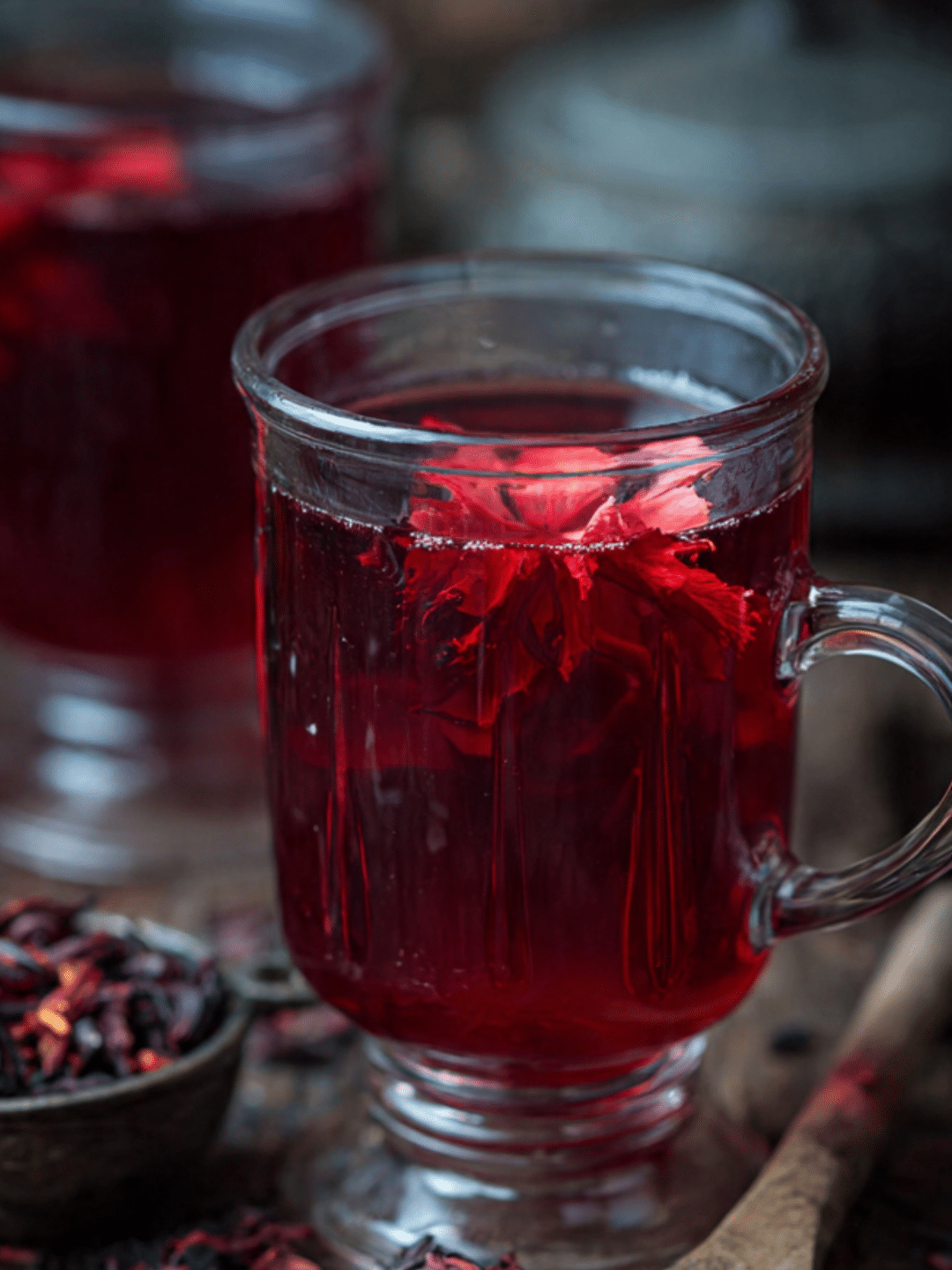
Hibiscus tea is a caffeine-free herbal beverage made by steeping dried hibiscus flowers, most commonly Hibiscus sabdariffa, in hot water. It has a deep ruby-red color and a tart, cranberry-like flavor. Popular around the world from Africa to Mexico and the Middle East it’s often served both hot and iced.
Not only is it delicious, but it also has a long history in traditional medicine. Cultures have used it for everything from lowering body temperature to supporting heart health. Today, it’s sold everywhere from wellness stores to everyday grocers like Woolworths.
In my own kitchen, I brew it strong and keep a pitcher in the fridge. My kids even call it “mom’s red juice.”
What makes hibiscus tea stand out from other herbal teas?
Hibiscus tea stands out for its high antioxidant content, particularly anthocyanins the same plant pigments found in blueberries and red cabbage. These compounds help protect your cells from damage and are linked to lower inflammation, improved heart health, and even skin benefits.
Here’s a quick comparison with other popular herbal teas:
| Tea Type | Key Benefit | Flavor Profile | Contains Caffeine? |
|---|---|---|---|
| Hibiscus Tea | Blood pressure, antioxidants | Tart, fruity | No |
| Chamomile Tea | Sleep, anxiety relief | Floral, mellow | No |
| Green Tea | Metabolism, brain health | Grassy, light | Yes (Low) |
| Spearmint Tea | Hormone balance, digestion | Cool, minty | No |
So if you’re looking for a potent, plant-powered tea without the caffeine crash, hibiscus is a strong contender.
Want to boost your overall wellness game even more? You might enjoy checking out the gelatin trick recipe or the canaan honey trick both are simple ways I’ve added gentle health support to my day.
What Are the Health Benefits of Hibiscus Tea?
What are the top hibiscus tea benefits for your body?
Hibiscus tea benefits include lower blood pressure, heart health support, antioxidant protection, and better digestion. Regular consumption may also help regulate cholesterol levels, support liver health, and even promote glowing skin.
Here’s the quick-list summary for Bing snippets:
- Helps lower high blood pressure naturally
- Supports healthy cholesterol levels
- Fights oxidative stress with antioxidants
- Aids digestion and gut health
- Promotes skin clarity and hydration
- May support weight management goals
Let’s look at each benefit more closely.
Can hibiscus tea lower blood pressure and protect the heart?
Yes hibiscus tea benefits your cardiovascular system in a big way. Multiple studies have shown that drinking hibiscus tea regularly can lead to moderate reductions in both systolic and diastolic blood pressure. That’s why it’s often recommended as a natural, caffeine-free way to support heart health.
One study published in the Journal of Nutrition found that participants who drank two cups of hibiscus tea daily for six weeks saw measurable drops in blood pressure. This is due to the tea’s natural anthocyanins and polyphenols, which help relax blood vessels and reduce inflammation.
I started drinking hibiscus tea after my doctor flagged my rising blood pressure postpartum. I didn’t want to jump straight into medication, and adding hibiscus tea to my morning helped me stay on track alongside walking and a few honey-based memory recipes.
How do antioxidants in hibiscus tea benefit your body?
Hibiscus tea is rich in plant-based antioxidants, which are vital for reducing free radical damage. These compounds protect your cells from oxidative stress a major contributor to aging and chronic illness.
What sets hibiscus tea benefits apart from many herbal teas is the concentration of anthocyanins the same vibrant pigments that give blueberries their anti-aging powers. Drinking hibiscus tea regularly may help reduce inflammation markers, improve immune response, and even support metabolic health.
Bonus: it’s also naturally sugar-free, making it a great swap for juices or sweetened beverages.
Does hibiscus tea help with weight management?
While hibiscus tea isn’t a miracle fat burner (sorry, no shortcuts), it may support healthy weight goals in several indirect ways:
- It’s low in calories and naturally satiating
- May reduce bloating due to mild diuretic properties
- Can help curb sugar cravings when used as a soda replacement
- Supports digestion and liver detox
I personally drink a glass after dinner instead of dessert. That little tart kick helps reset my cravings and it’s become part of my routine alongside the gelatin weight loss recipe I sometimes make after workouts.
Is hibiscus tea good for skin health?
Yes, one of the most underrated hibiscus tea benefits is what it can do for your skin. Thanks to its high vitamin C content and antioxidants, it may help:
- Brighten skin tone
- Protect against UV damage
- Reduce signs of aging
- Promote hydration from the inside out
I noticed my skin looking noticeably fresher after two weeks of drinking a daily iced hibiscus tea especially after ditching coffee, which had been drying me out.
Pair it with your favorite pink salt trick to increase hydration and mineral absorption, especially if you’re a tired mama like me who forgets to drink enough water during the day.
How much hibiscus tea should you drink daily?
Generally, 1–2 cups of hibiscus tea per day is considered both safe and beneficial. That amount provides the antioxidant boost without the risk of overdoing it. If you’re dealing with high blood pressure, up to 3 cups per day may be recommended by some holistic health experts but always talk to your doctor first.
And while we’re here, remember that hibiscus tea benefits are most noticeable when consumed consistently. Like most herbal remedies, it’s not about instant results it’s about gentle, daily support.
Looking for a quick boost? Try it mid-morning or with lunch. That’s when your body can absorb the nutrients best, and you’ll avoid late-day bathroom runs if you’re sensitive to herbal teas.
What are the potential side effects of hibiscus tea?
Yes, even something as natural as hibiscus comes with a few cautions:
- It may lower blood pressure too much in those already on medication
- Can interact with certain diuretics or NSAIDs
- Not recommended during pregnancy without doctor approval
- Large amounts may affect liver enzymes
To stay safe, stick with 1–2 cups daily, especially if you’re new to herbal teas. If you’re managing other conditions, check with your doctor before adding hibiscus tea to your routine.
And always buy from a reputable source. I once bought a bulk bag online that tasted dusty and weak lesson learned. Now I keep it simple and grab organic hibiscus tea from places like Woolworths or a trusted co-op.
How to Brew Hibiscus Tea for Maximum Benefits
How should you brew hibiscus tea to unlock its full benefits?
To get the most hibiscus tea benefits, you need to brew it the right way. The good news? It’s super easy no fancy tools, no steep learning curve. Whether you like your tea hot or chilled, the method matters for extracting all those health-boosting compounds.
Here’s the best basic method to brew hibiscus tea:
- Boil 2 cups of water.
- Add 1–2 tablespoons of dried hibiscus petals (or 1 tea bag).
- Steep for 5 to 10 minutes, covered.
- Strain (if loose) and enjoy hot or chill in the fridge.
For stronger hibiscus tea benefits, steep longer. But don’t go past 15 minutes, or you risk bitterness.
I love adding a cinnamon stick or a slice of orange while it steeps flavor and function in one!
What’s the best time to drink hibiscus tea for optimal results?
If you want to maximize hibiscus tea benefits, timing matters more than you think.
Morning is ideal if you’re using it for energy, metabolism support, or blood pressure balance.
After meals works great if your goal is digestion or bloating relief.
Early evening helps promote relaxation without caffeine perfect for winding down.
However, avoid drinking it right before bed. Why? Hibiscus tea has mild diuretic effects. You don’t want to be up at 2 a.m. running to the bathroom!
For me, the best time to drink hibiscus tea is mid-morning after I’ve gotten the kids off to school and I need a calm moment before diving into work. That’s also when I sip on my baking soda trick tonic or my favorite blue salt recipe if my digestion feels sluggish.
Is cold brew better for hibiscus tea benefits?
Cold brewing hibiscus tea is an excellent way to preserve more antioxidants and reduce bitterness. When you steep it slowly in cool water, the result is smoother, less acidic, and often higher in vitamin C retention.
To cold brew for optimal hibiscus tea benefits:
- Use 1 tablespoon dried hibiscus per 2 cups cold water
- Steep in the fridge for 6–12 hours
- Strain and serve over ice
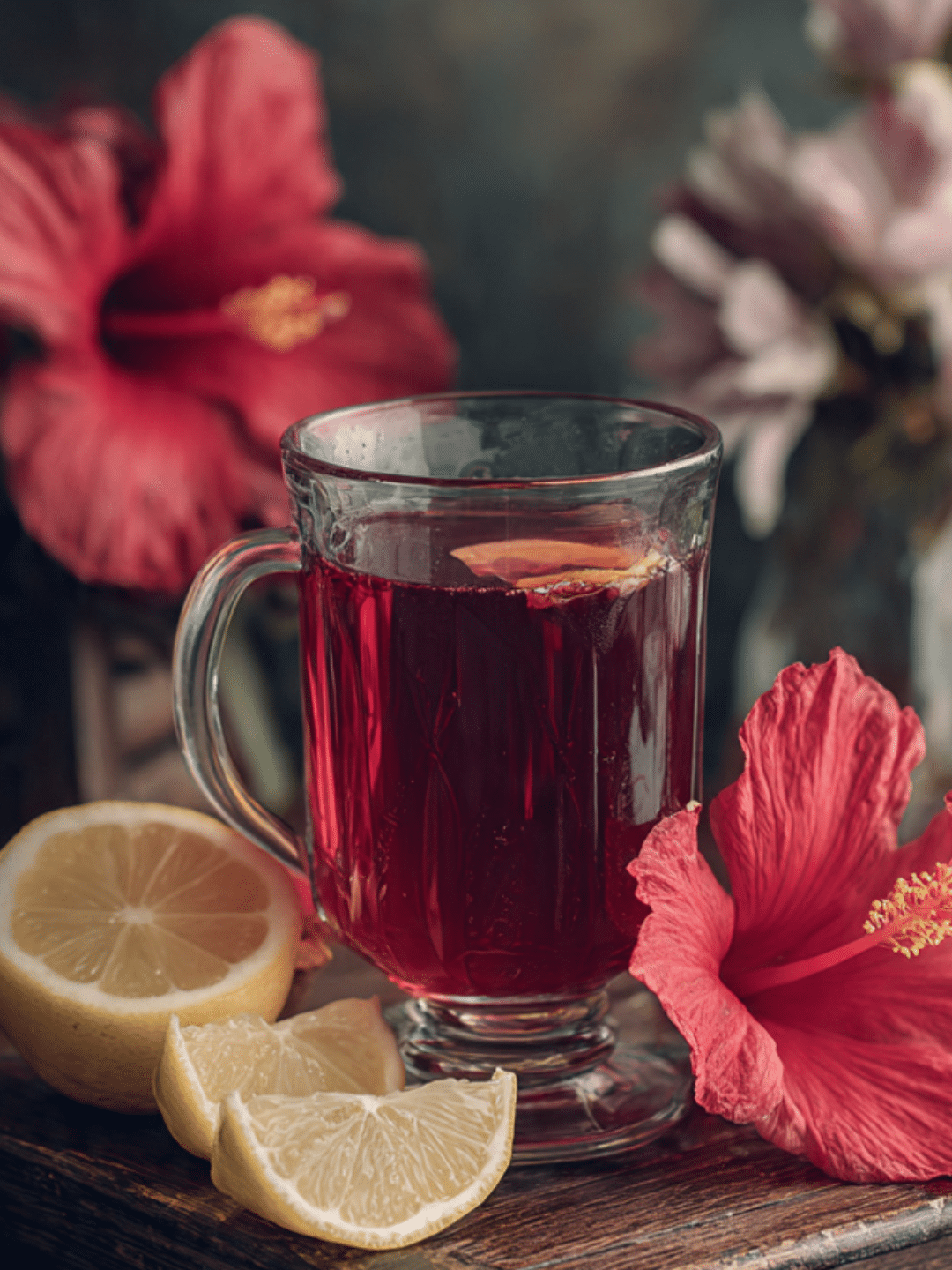
- Add lemon or mint for a fresh twist
Cold brewing is also my go-to in summer I keep a pitcher in the fridge next to my horse salt trick concoction. Both give a powerful plant-based energy kick without any caffeine crash.
Can you add sweeteners without reducing the benefits?
Yes, but choose wisely. While sugar or honey won’t cancel the hibiscus tea benefits, they might work against your wellness goals especially if you’re managing weight or blood sugar.
Better options include:
- A dash of raw honey
- A few stevia leaves
- Fresh fruit slices like orange, apple, or berries
- A cinnamon stick for natural sweetness
I usually skip sweeteners altogether, but if I need a little balance, I’ll add a drizzle of canaan honey for both flavor and gut health support.
Does longer steeping increase hibiscus tea benefits?
To an extent, yes. Longer steeping extracts more antioxidants and minerals, but too much time can cause bitterness and degrade some heat-sensitive compounds.
The sweet spot?
- Hot brew: 7–10 minutes
- Cold brew: 8–12 hours
- Concentrate: Up to 20 minutes (for making syrups or DIY herbal remedies)
I often make a stronger concentrate, pour it into ice cube trays, and pop one in my water bottle during the day. That way, I get steady hibiscus tea benefits even when I’m not actively sipping tea.
Can you blend hibiscus with other teas for added benefits?
Absolutely. Blending hibiscus with other herbs boosts its flavor and enhances its effect. Plus, it keeps your tea routine exciting.
Try combining hibiscus with:
| Herb or Tea | Benefit Combination |
|---|---|
| Spearmint | Hormone balance + digestive support |
| Chamomile | Stress relief + skin benefits |
| Green Tea | Antioxidants + metabolism boost (yes, some caffeine) |
| Ginger | Anti-inflammatory + digestion |
These combos not only taste amazing but elevate the hibiscus tea benefits even more. One of my favorites? Hibiscus + spearmint in the afternoon. It’s soothing, cooling, and helps with mental clarity on long workdays.
Pro tip: Use hibiscus in more than just tea
To keep those hibiscus tea benefits rolling in without boredom, I mix it into recipes too:
- Add cooled tea to smoothies
- Use it as the base for popsicles
- Simmer it into a tangy glaze for grilled chicken
- Combine it with gelatin for a gut-friendly dessert like this bariatric gelatin recipe
Can Hibiscus Tea Lower the Risk of Chronic Disease?
How do hibiscus tea benefits help prevent chronic conditions?
Hibiscus tea benefits extend far beyond hydration and flavor they’re deeply tied to disease prevention. Regular consumption of hibiscus tea has been linked to lower risk markers for chronic illnesses, particularly in the areas of cardiovascular disease, type 2 diabetes, and inflammation-related conditions.
Why? It’s all about the antioxidants.
Hibiscus tea contains powerful compounds like polyphenols, flavonoids, and anthocyanins which are scientifically proven to:
- Lower LDL (“bad”) cholesterol
- Reduce insulin resistance
- Support healthy blood vessel function
- Minimize oxidative damage at the cellular level
These protective effects play a major role in reducing your long-term risk of metabolic syndrome, high blood pressure, and even some cancers.
As someone with a family history of heart disease, I take these hibiscus tea benefits seriously. It’s a small, delicious step toward longevity and way more affordable than supplements.
Can drinking hibiscus tea help with blood sugar control?
Yes, one of the most underrated hibiscus tea benefits is its ability to stabilize blood sugar levels. Studies show it may improve insulin sensitivity and reduce post-meal glucose spikes.
If you’re watching your carbs or managing prediabetes, sipping hibiscus tea after meals might give your body extra support. Plus, it satisfies sweet cravings naturally without adding sugar.
Pair it with one of my favorites: the pink salt diet trick, which I use for managing energy dips in the afternoon.
How does hibiscus tea compare to other herbal teas?
Let’s stack hibiscus tea benefits against other well-known herbal teas:
| Tea Type | Top Benefits | Does It Compare to Hibiscus Tea? |
|---|---|---|
| Hibiscus Tea | Heart health, blood pressure, antioxidants | Strongest cardiovascular support |
| Green Tea | Metabolism, alertness, anti-aging | Contains caffeine; good but different |
| Chamomile Tea | Sleep, anti-anxiety, anti-inflammatory | Gentle and relaxing; less potent |
| Spearmint Tea | Hormone balance, digestion, PCOS support | Great blend with hibiscus |
In terms of antioxidant density and cardiovascular impact, hibiscus tea benefits win by a landslide. Especially if you’re trying to avoid caffeine or improve skin health, hibiscus is the better choice.
And unlike green tea or black tea, hibiscus is caffeine-free and safe for most people to drink multiple times a day ideal for moms, students, and anyone juggling long to-do lists.
Real Testimonial: “My skin cleared up, and my energy improved!”
“I started drinking hibiscus tea after reading about its skin benefits. Within two weeks, my complexion looked clearer, and I didn’t need coffee in the afternoon anymore. Plus, I’m down 4 pounds without changing anything else! I had no idea hibiscus tea benefits were this real.”
Kara M., busy mom of 3, Portland, OR
This is exactly why I share what works. Hibiscus tea isn’t hype it’s a simple, nourishing habit that fits into everyday life.
Bonus: Can you pair hibiscus tea with wellness tricks for more results?
Absolutely. That’s what I do. I mix my hibiscus tea benefits with other gentle remedies like:
- Honey memory trick in the morning
- Gelatin weight loss recipe at night
- Blue salt trick for digestion mid-day
This layered approach helps me stay energized, focused, and calm all while supporting my immune system and hormones.
Myth Buster: “Hibiscus tea is only for high blood pressure”
False! While blood pressure control is one of the most celebrated hibiscus tea benefits, it’s not the only one.
Drinking hibiscus tea regularly may also:
- Improve your mood
- Support clear skin
- Boost liver detox pathways
- Aid fat metabolism
- Protect against cellular aging
So whether you’re 25 or 65, there’s no wrong time to start enjoying hibiscus tea benefits in your daily routine.
How Much Hibiscus Tea Should You Drink Daily?
What’s the ideal amount to get hibiscus tea benefits safely?
For most healthy adults, 1 to 3 cups of hibiscus tea per day offers excellent benefits without side effects. This amount gives your body enough antioxidants, flavonoids, and hydration to support heart, skin, and immune health.
Here’s what I do:
- 1 cup in the morning (for energy + blood pressure support)
- 1 cup after lunch or dinner (to aid digestion + reduce sugar cravings)
- Optional 3rd cup if I need an afternoon pick-me-up
This routine has helped me enjoy real hibiscus tea benefits like clearer skin, fewer headaches, and better hydration without reaching for snacks or coffee.
Can you drink too much hibiscus tea?
Yes, it’s possible. Like anything good, hibiscus tea benefits come from moderation.
Large amounts like 4+ cups per day over long periods could lead to:
- Drops in blood pressure that feel dizzy or lightheaded
- Strain on the liver (in rare, high-concentration cases)
- Hormonal effects due to plant compounds (phytoestrogens)
- Interference with medications (especially diuretics or NSAIDs)
Pro Tip: If you’re on any meds, pregnant, or managing a condition like kidney disease, talk to your doctor before adding hibiscus tea daily.
I learned this firsthand when my sister, who takes meds for anxiety, tried drinking four cups a day and started feeling “off.” After cutting back to one cup, the hibiscus tea benefits returned minus the weird side effects.
Who should limit or avoid hibiscus tea?
Although hibiscus tea benefits many people, a few groups should use caution:
| Group | Risk |
|---|---|
| Pregnant or breastfeeding | Potential hormonal effects |
| People on blood pressure meds | Additive effect could lower BP too much |
| Diabetic individuals | May alter glucose levels (monitor closely) |
| Those with liver conditions | Excessive amounts may strain liver enzymes |
| Allergy-prone individuals | Rare but possible reactions to hibiscus flowers |
When in doubt, start with ½ to 1 cup daily and see how your body responds. That’s what I did when first exploring hibiscus tea benefits, and I’m so glad I did it helped me tune into my body while building a sustainable habit.
Should kids drink hibiscus tea?
Small amounts are generally safe, especially when diluted or iced. My kids love it as a summer “punch” with orange slices and spearmint. It’s a way to hydrate them with flavor and skip sugary drinks.
That said, I keep it at half strength and limit it to a few times a week. Children are more sensitive to natural compounds, and while hibiscus tea benefits are gentle, they’re still powerful.
Helpful habits that amplify hibiscus tea benefits
To make the most of your cup, try pairing hibiscus tea with these daily wellness routines:
- Add a pinch of pink salt to help with hydration and mineral balance
- Sip it alongside your gelatin trick to support gut lining and joint health
- Brew a batch in the evening to enjoy chilled the next day (great in a thermal bottle!)
And don’t forget you can also steep it with other powerful herbs like spearmint or ginger to layer the benefits. That’s the beauty of hibiscus: it plays well with others while delivering standout results on its own.
Final word on daily use: listen to your body
One of the best pieces of advice I can give from one mom to another is to tune in. If you’re feeling bloated, jittery, or “off,” scale back. If you’re energized, sleeping better, and glowing? Stay the course.
Hibiscus tea is a gentle, natural tool but it’s not magic. It works best as part of a whole-body approach to wellness. Combined with movement, hydration, rest, and smart recipes like my baking soda trick, it really shines.
What Are Other Herbal Teas With Health Benefits?
Which herbal teas offer similar benefits to hibiscus tea?
While hibiscus tea benefits are truly impressive especially for heart health, blood pressure, and antioxidant support it’s not the only herbal tea worth sipping. In fact, many teas can work together with hibiscus in your wellness routine.
Let’s break down the most powerful options:
| Herbal Tea | Main Health Benefits | Best Time to Drink | Combines Well With |
|---|---|---|---|
| Hibiscus Tea | Blood pressure, skin, inflammation, weight support | Morning or after meals | Spearmint, ginger, chamomile |
| Spearmint Tea | Hormone balance, PCOS support, digestion | Morning or evening | Hibiscus, green tea |
| Chamomile Tea | Stress relief, sleep support, gut calm | Before bed | Hibiscus, lavender |
| Ginger Tea | Digestion, inflammation, nausea relief | After meals or morning | Hibiscus, turmeric |
| Green Tea | Antioxidants, metabolism, alertness (mild caffeine) | Early morning or midday | Hibiscus (cold brew mix) |
| Rooibos Tea | Anti-inflammatory, skin, adrenal support | Any time (caffeine-free) | Hibiscus, cinnamon |
| Peppermint Tea | Digestive relief, energy lift (without caffeine) | After meals | Hibiscus, lemon balm |
Of all these, hibiscus tea benefits stand out most clearly for cardiovascular and metabolic support. But when paired with others, you get a broader spectrum of health support.
Why do hibiscus tea benefits pair well with other herbal teas?
Hibiscus is a natural “team player.” It blends beautifully both in taste and function with other herbs. When I need more stress relief, I mix hibiscus with chamomile. For hormone support, I love pairing it with spearmint (a game-changer during cycle shifts).
Here are some of my go-to blends:
- Hibiscus + Spearmint: Cooling, hormone-soothing, and delicious iced
- Hibiscus + Ginger: A powerful anti-inflammatory combo for after meals
- Hibiscus + Chamomile: Calming and floral, great for early evenings
- Hibiscus + Green Tea: Antioxidant-packed energizer (watch the caffeine)
Blending herbs lets you amplify the hibiscus tea benefits without boredom. And if you’re layering with wellness hacks like the blue salt trick or gelatin weight loss drink, these blends make sticking to your routine effortless and tasty.
What makes hibiscus tea stand out among all herbal teas?
Let’s be honest: every herbal tea has a “claim to fame.” But few deliver on as many fronts as hibiscus.
Here’s why hibiscus tea benefits outshine the rest:
- Clinically studied for lowering blood pressure and improving cholesterol
- High in antioxidants (anthocyanins, flavonoids, polyphenols)
- Naturally sugar-free, caffeine-free, and low-calorie
- Tastes incredible hot or cold, with or without sweeteners
- Pairs well with nearly every wellness habit or diet
Most herbal teas do one or two things really well. Hibiscus does several, and that’s why it’s the one I always come back to.
My daily herbal tea rotation (real life as a busy mom)
If you’re wondering how to build a simple, effective herbal tea routine using hibiscus, here’s what my typical week looks like:
- Morning: Hibiscus + spearmint (hydrating and hormone-friendly)
- Afternoon: Hibiscus over ice with lemon + a pinch of pink salt
- Evening: Chamomile + hibiscus or ginger + hibiscus (depending on mood)
Some days, I sip a warm mug of bariatric gelatin tea made with hibiscus as the base. It’s soothing, rich in collagen, and perfect for winding down without sugar or wine.
Final verdict: Which tea should you choose?
If you could only pick one herbal tea to drink consistently, hibiscus tea offers the broadest range of benefits especially for heart health, energy, digestion, and beauty.
But it’s not about choosing one tea forever. It’s about using each one where it shines. And if you make hibiscus tea benefits your foundation, you’ll already be ahead.
Real Questions About Hibiscus Tea Benefits
Why are people obsessed with hibiscus tea benefits lately?
Simple: they work.
In a world full of supplements and quick fixes, hibiscus tea offers real, research-backed health benefits from a plant that’s been used for centuries. It’s refreshing, healing, and versatile and it’s finally getting the attention it deserves.
From lowering blood pressure to supporting glowing skin, hibiscus tea benefits touch nearly every aspect of daily wellness.
What do real people say about hibiscus tea?
“I started drinking hibiscus tea to support my blood pressure, but I ended up sleeping better, feeling lighter, and my sugar cravings nearly disappeared. It’s become my afternoon ritual.”
Jen C., 42, Boise, ID
“I cold brew it every night and sip it all day. My skin’s clearer, I don’t miss soda, and I’ve lost 6 pounds since swapping it in.”
Ryan F., 34, Dallas, TX
That’s the beauty of hibiscus it’s more than a tea. It’s a wellness habit that works.
Frequently Asked Questions About Hibiscus Tea Benefits
What are the health benefits of hibiscus tea?
Hibiscus tea benefits include lowering blood pressure, supporting heart health, reducing inflammation, and improving skin clarity. It’s rich in antioxidants like anthocyanins, which protect cells from damage and support healthy aging. Drinking 1–2 cups daily can also aid digestion, support liver health, and help curb sugar cravings.
What is hibiscus tea?
Hibiscus tea is an herbal drink made by steeping dried hibiscus petals in hot or cold water. It’s naturally caffeine-free, tart in flavor, and deep red in color. Known for its high antioxidant content, hibiscus tea is used worldwide for both its taste and wellness benefits.
Can hibiscus tea lower the risk of chronic disease?
Yes. Hibiscus tea benefits include reduced risk markers for chronic illnesses like high blood pressure, heart disease, and type 2 diabetes. Its antioxidants help reduce inflammation, balance cholesterol, and support healthy blood sugar levels. Regular consumption may contribute to long-term disease prevention.
Is hibiscus tea good for your skin?
Absolutely. Hibiscus tea benefits skin by promoting hydration and fighting free radicals. Its vitamin C and polyphenols may reduce signs of aging, brighten complexion, and improve skin texture. Many users notice clearer skin within weeks of drinking hibiscus tea regularly.
How to brew hibiscus tea properly?
To brew hibiscus tea: steep 1–2 tablespoons of dried hibiscus in hot water for 7–10 minutes, or cold brew in the fridge for 8–12 hours. For added flavor and health benefits, try combining it with herbs like spearmint, ginger, or chamomile. Avoid boiling for too long to preserve antioxidants.
What are other herbal teas with health benefits?
Other teas include spearmint (hormonal balance), chamomile (sleep), ginger (digestion), and green tea (metabolism). While each offers unique benefits, hibiscus tea benefits cover the widest range from blood pressure to skin health making it a top daily choice.
Conclusion: Why Hibiscus Tea Deserves a Spot in Your Routine
If you’re overwhelmed by wellness trends, start simple. Hibiscus tea benefits are real, proven, and easy to integrate.
Whether you’re chasing better energy, clearer skin, or a healthier heart, a daily cup of hibiscus tea can move the needle without breaking the bank or needing a health degree to understand.
As a mom juggling real life, I’m always looking for simple things that actually help. This one did. So I’ll leave you with this:
Make hibiscus tea part of your day. Your body (and taste buds) will thank you.