Post Disclaimer
Disclaimer: This content is for educational purposes only, not medical advice. Always consult with a doctor before making significant changes to your diet, especially if you have pre-existing health conditions.
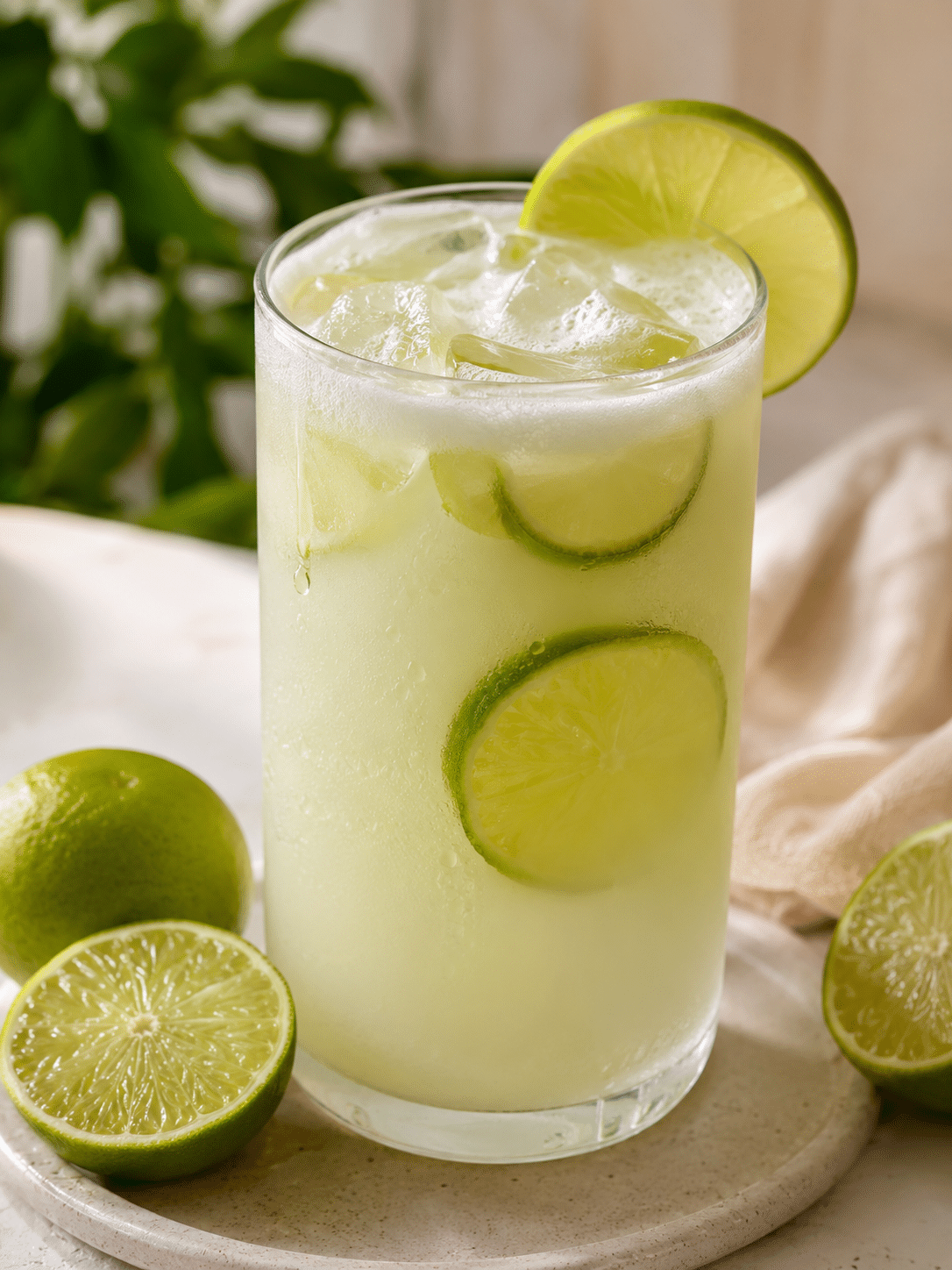
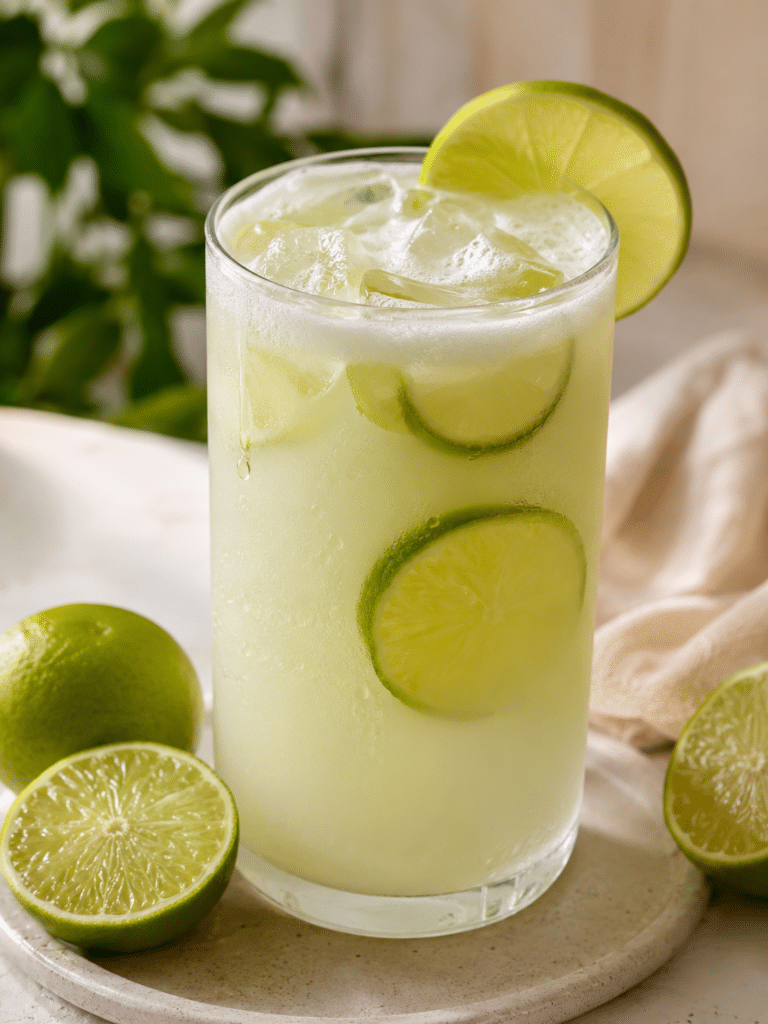
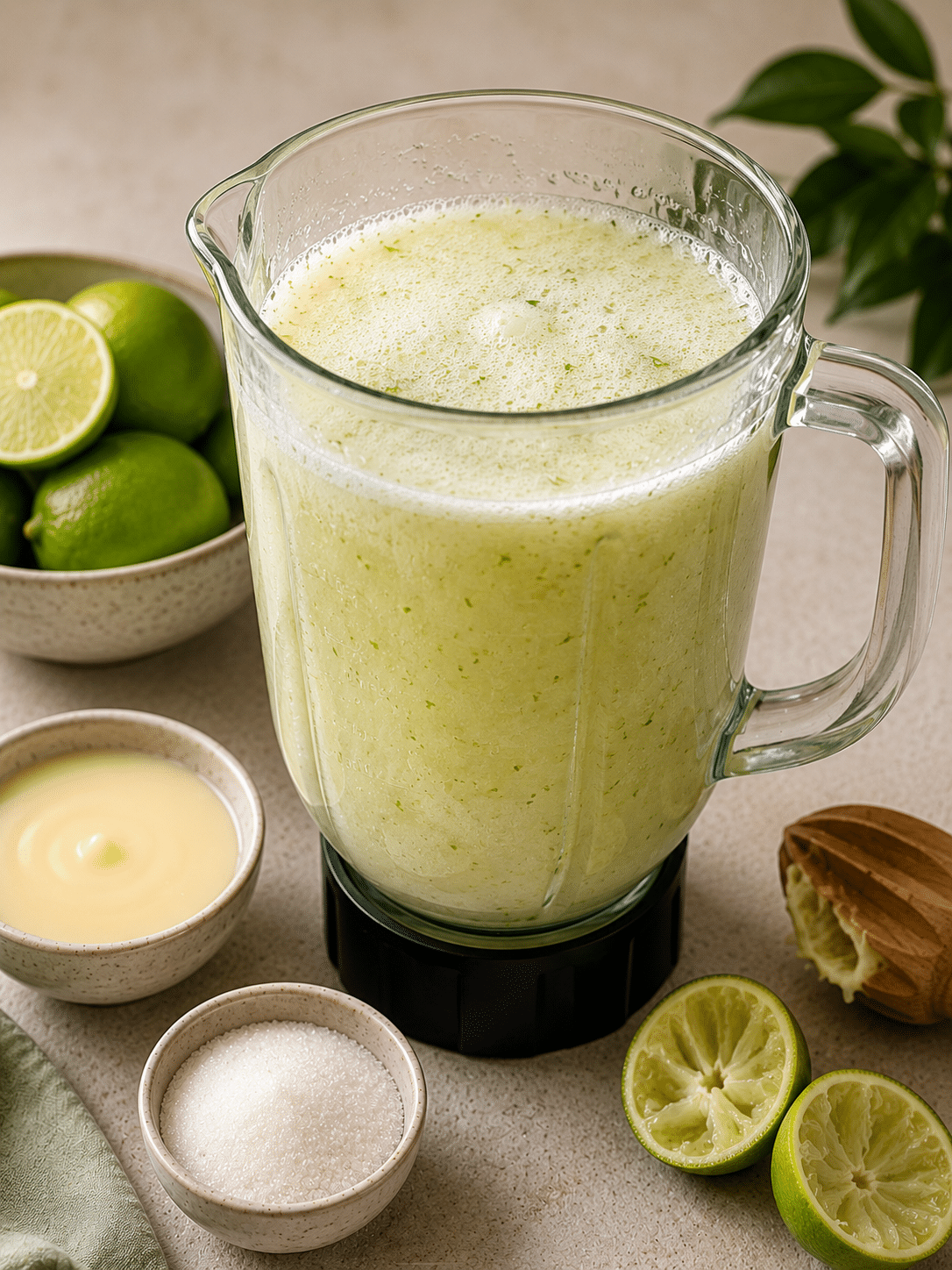
Brazilian lemonade recipe is a chilled, creamy lime drink made by blending fresh limes with water, sugar, ice, and sweetened condensed milk, then straining it until smooth. It tastes bright, tangy, and silky, and it’s best served right away before the lime peel turns bitter.
The first time I made a Brazilian lemonade recipe in my kitchen, I remember thinking, “There’s no way whole limes and condensed milk are going to taste this good together.” Then the blender started humming, the lime oils hit the air, and the kitchen smelled like a sunny porch after a rainstorm. One sip later, I got it. It was cold, creamy, tangy, sweet, and almost frothy, with that fresh citrus bite that makes you reach for the glass again before you’ve even swallowed.
Here’s the little surprise: a Brazilian lemonade recipe usually uses limes, not lemons. That’s why you’ll see people talk about Brazilian limeade vs lemonade, or call it limonada Brazilian lemonade when they’re searching for the drink they had at a Brazilian steakhouse or summer party. The name can be confusing, but the flavor isn’t. It’s bold, fresh, and wonderfully simple when you know the timing.
After making this dozens of times for Cheflora Recipes, I’ve found that the best recipe for Brazilian lemonade depends on three things: fresh thin-skinned limes, a very short blend, and fast straining. That’s the difference between a smooth authentic Brazilian lemonade and one that tastes too sharp. Lime peel has fragrant oils, but it also carries bitterness, so the blender should wake up the flavor without grinding everything too hard.
This Brazilian lemonade recipe with condensed milk is one of those drinks that makes people pause after the first sip. A reader named Ana once told me, “I made it for a backyard lunch, and everyone thought I bought it from a café.” Another reader, Jules, said she served it with spicy tacos and had to make a second pitcher before dinner even started. That’s exactly the kind of kitchen win I love.
You can serve this Brazilian lemonade recipe with cookout food, brunch boards, grilled chicken, fried snacks, or a simple bowl of salty chips. If you like colorful citrus drinks, you may also love my pink lemonade recipe for a softer, rosy sip that feels right at a shower, picnic, or birthday table. This one, though, has a creamy twist that feels richer without being heavy.
For safety, I always wash limes before cutting them because this Brazilian lemonade recipe blends the peel briefly with the fruit. The FDA advises rinsing fresh produce under running water before cutting, which is especially helpful here since the outside of the lime goes into the blender for flavor. And while the broader word lemonade can describe sweetened citrus drinks in many styles, this Brazilian favorite stands out because the condensed milk gives it that silky finish.
Table of Contents
Key Takeaways
- Brazilian lemonade recipe uses fresh limes, cold water, sugar, ice, and sweetened condensed milk for a creamy citrus drink.
- The secret to smooth flavor is blending the limes briefly, then straining right away before bitterness builds.
- Brazilian lemonade recipe with limes tastes brighter than bottled lime juice and fresher than powdered mixes.
- Sweetened condensed milk gives this drink its creamy body, so don’t swap it for plain milk unless you adjust sweetness.
- This Brazilian lemonade recipe is best served immediately over ice because fresh lime peel flavor changes as it sits.
- For a lighter version, reduce the condensed milk slightly and add more ice rather than watering the pitcher down.
- This family-friendly Brazilian lemonade recipe works beautifully for summer dinners, brunch, cookouts, and party drink stations.
What Makes This Brazilian Lemonade Recipe So Creamy?
A Brazilian lemonade recipe tastes creamy because sweetened condensed milk blends with fresh lime juice, sugar, water, and ice to make a frothy citrus drink. The whole-lime method adds bright aroma from the peel, while quick straining keeps the flavor clean, fresh, and balanced.
What ingredients do you need for the best flavor?
When I make this Brazilian lemonade recipe, I start with limes that feel heavy for their size. Heavy limes usually mean more juice, and juicy limes give you a brighter drink with less work. Thin, smooth skins matter too. Thick-skinned limes can carry more bitter white pith, and that pith can make the pitcher taste harsh if the blender runs too long. You don’t need fancy fruit, but you do need fresh fruit. Bottled lime juice won’t give the same fragrant, almost floral aroma that makes an authentic Brazilian lemonade so special.
Here’s the base I use for one pitcher of Brazilian lemonade recipe with limes:
| Ingredient | Amount | Why it matters |
|---|---|---|
| Fresh limes | 4 medium | Adds juice, zest aroma, and classic flavor |
| Cold water | 4 cups | Helps the limes blend and keeps the drink light |
| Granulated sugar | 1/2 cup | Balances lime tartness |
| Sweetened condensed milk | 1/2 cup | Gives creamy body and sweetness |
| Ice | 2 cups, plus more for serving | Makes the drink cold and frothy |
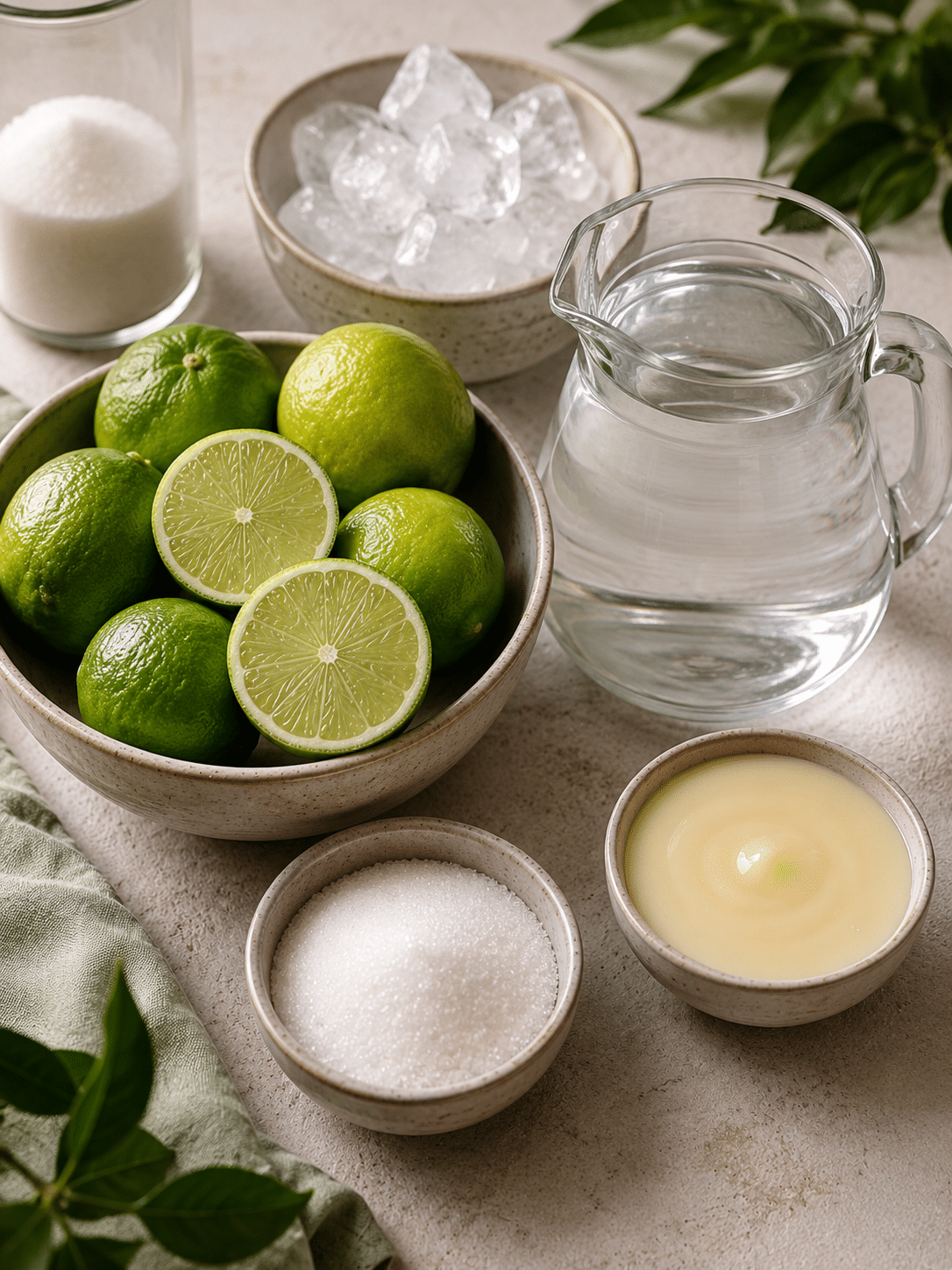
This Brazilian lemonade recipe with condensed milk has a dessert-like creaminess, but it still tastes refreshing because the lime stays in front. In my kitchen, I’ve found that 1/2 cup condensed milk gives the right balance for most people. Use a little less if you want a sharper lime finish, or a spoonful more if your limes are very tart. The sugar also matters. Condensed milk brings sweetness, but granulated sugar rounds out the lime peel and helps the drink taste smooth instead of sour.
If you’re planning a drink table, this Brazilian lemonade recipe pairs nicely with other chilled favorites. I like serving it beside a big pitcher from my lemonade bar recipes when guests want different colors, garnishes, and sweetness levels. It lets the Brazilian drink shine while giving everyone room to build their own glass.
Why use whole limes instead of bottled juice?
The reason a Brazilian lemonade recipe tastes different from regular limeade is the peel. You’re not blending whole limes for a long time. You’re giving quartered limes a quick burst in the blender so the juice and oils release together. Those oils carry that fresh, green, almost sparkling scent you smell when you twist lime zest over a glass. That’s what makes a Brazilian limeade recipe taste so lively.
The trick is control. I never blend this Brazilian lemonade recipe until the lime pieces disappear. That would grind the pith and seeds too much. Instead, I pulse or blend for just a few seconds, enough to break the fruit and cloud the water with juice. Then I strain it through a fine mesh sieve. The liquid should look pale green and smell bright, not heavy or bitter.
This is also why Brazilian limeade vs lemonade causes so much confusion. Many English-speaking cooks hear “lemonade” and expect lemons. In Brazil, the word limão often refers to what many people in the United States call limes, so a Brazilian lemonade recipe with limes makes sense once you understand the naming. The drink tastes like limeade to some people, but the creamy condensed milk puts it in its own category.
If you already love creamy citrus drinks, my creamy lemonade has a softer lemon-style flavor, while this Brazilian lemonade recipe gives you that punchier lime aroma. Both feel cold and cozy at the same time, but Brazilian lemonade has a sharper edge that cuts through grilled, spicy, or salty food beautifully.
Equipment
- Blender
- Fine-mesh strainer
- pitcher
- Knife
- Cutting board
- serving glasses
Ingredients
- 4 medium fresh limes, washed and quartered
- 4 cups cold water
- 1/2 cup granulated sugar
- 1/2 cup sweetened condensed milk
- 2 cups ice, plus more for serving
Instructions
- Wash the limes well under cool running water.
- Trim off the hard ends, then cut each lime into quarters.
- Add the quartered limes, cold water, and sugar to a blender.
- Blend for only 5 to 10 seconds. The limes should look broken up, not fully pureed.
- Pour the mixture through a fine mesh strainer into a pitcher.
- Press the pulp gently, then discard the solids.
- Pour the strained lime mixture back into the blender.
- Add the sweetened condensed milk and ice.
- Blend for 10 to 15 seconds, just until creamy and frothy.
- Taste and adjust with more sugar, condensed milk, or lime juice if needed.
- Serve immediately over fresh ice.
Notes
Nutrition
How Do You Remove Bitterness From Brazilian Lemonade?
To remove bitterness from a Brazilian lemonade recipe, wash the limes, trim the ends, discard seeds when possible, blend for only 5 to 10 seconds, and strain immediately. Don’t let blended lime pulp sit in the water, because the peel and pith keep releasing bitter flavor.
How long should you blend the limes?
The biggest mistake with a Brazilian lemonade recipe is blending too long. I know it’s tempting to let the blender run until everything looks smooth, but this drink doesn’t work like a smoothie. You want the blender to crack the limes open, not pulverize them. In my kitchen, I use short pulses or one very brief blend. The lime pieces should still look chunky when you pour everything into the strainer.
A good rule is 5 to 10 seconds. If your blender is powerful, stay closer to 5 seconds. If it’s a softer blender, pulse a few times and stop as soon as the water turns cloudy and greenish. That small timing choice can make the difference between the best recipe for Brazilian lemonade and a pitcher that tastes too sharp.
Seeds can also bring bitterness. You don’t have to remove every single seed with tweezers, but if a lime has large visible seeds after cutting, flick them out with the tip of a knife. Trim the hard ends too, because those bits can taste woody. I also cut away any dry or browned spots from the peel. A Brazilian lemonade recipe should taste fresh and clean, and small prep details help.
The straining step matters just as much as the blending. Pour the mixture through a fine mesh sieve into a pitcher, then press gently with a spoon. Don’t mash the solids too hard. Pressing with too much force can squeeze out more bitter pith flavor. Once strained, add the condensed milk and ice, then blend or whisk again briefly until creamy. That way, your Brazilian lemonade recipe stays silky without carrying too much peel bite.
For a gentle floral twist on another citrus day, I’d point you toward my lavender lemonade recipe, but when you want bold lime and cream in one glass, this Brazilian lemonade recipe wins the table.
Which limes make the smoothest drink?
The best limes for a Brazilian lemonade recipe are fresh, glossy, thin-skinned, and juicy. I look for limes that give slightly when pressed. Rock-hard limes usually need more sugar because they can be dry and sour. Very bumpy or thick-skinned limes can have more pith, which may make the drink taste bitter faster. You can still use them, but blend even less and strain quickly.
I also like to taste a tiny bit of lime juice before making the pitcher. Some limes are bright and sweet-tart; others are sharp enough to make your eyes blink. If your limes taste extra sour, add a little more sugar or condensed milk. If they taste mild, keep the base recipe as written so the drink doesn’t become too sweet. A Brazilian lemonade recipe should have tension: tangy first, creamy second, sweet enough to pull it all together.
Cold ingredients help too. Cold water and ice slow down bitter flavors and make the drink taste cleaner right away. Warm water can make the peel flavor seem stronger, and this drink is never at its best lukewarm. I chill the water first, especially when I’m making this Brazilian lemonade recipe for guests.
One more tip: don’t make the lime-water base too far in advance. Fresh lime peel flavor changes as it sits. If you need to prep ahead, wash and cut the limes, measure the sugar, chill the water, and keep the condensed milk ready. Then blend right before serving. That gives you the creamy, fresh taste people expect from authentic Brazilian lemonade without the bitter aftertaste.
How Do You Make Brazilian Lemonade Step by Step?
To make a Brazilian lemonade recipe, quarter fresh limes, blend them briefly with cold water and sugar, strain the mixture, then blend or stir in sweetened condensed milk and ice. Serve it right away in cold glasses for the smoothest, freshest lime flavor.
What is the easiest method for a silky pitcher?
This Brazilian lemonade recipe moves fast, so I set everything out before I cut the fruit. Put the pitcher near the sink, place your strainer over a bowl or second pitcher, and have ice ready. Once limes meet the blender, the clock starts. That sounds dramatic, but it’s really just kitchen rhythm: blend briefly, strain quickly, chill deeply, serve happily.
Start by washing 4 medium limes well. Cut off the ends, then quarter the limes. Add the lime quarters to a blender with 4 cups cold water and 1/2 cup sugar. Blend for 5 to 10 seconds, just until the limes are broken up and the water turns cloudy. Pour through a fine mesh sieve. Press gently, then discard the solids.
Return the strained lime liquid to the blender. Add 1/2 cup sweetened condensed milk and 2 cups ice. Blend for 10 to 15 seconds, just until creamy and frothy. Taste it. If your Brazilian lemonade recipe tastes too tart, add 1 to 2 tablespoons more sugar or condensed milk. If it tastes too sweet, add a squeeze of fresh lime juice or a handful of ice and blend again briefly.
| Step | What to do | Chef Lora tip |
|---|---|---|
| 1 | Wash and quarter limes | Trim the ends to reduce harsh flavor |
| 2 | Blend limes, water, and sugar briefly | Stop while lime pieces are still chunky |
| 3 | Strain right away | Don’t press the pulp too hard |
| 4 | Add condensed milk and ice | Blend only until creamy |
| 5 | Serve immediately | Pour over fresh ice for the best texture |
This Brazilian lemonade recipe tastes best in chilled glasses. I like to garnish with a thin lime wheel or a small mint sprig when I’m serving guests, but honestly, it doesn’t need much. The pale green color and creamy top already look inviting.
How do you adjust sweetness and texture?
A Brazilian lemonade recipe should never taste flat. If it tastes flat, it usually needs one of three things: more lime brightness, more sweetness, or more cold. Start with cold. Add ice and blend briefly. Cold can make the same pitcher taste cleaner and more lively. If it still tastes too sharp, add sugar or condensed milk a spoonful at a time. If it tastes too sweet, add a little fresh lime juice.
The texture depends on how much ice and condensed milk you use. More ice gives a frothier, lighter body. More condensed milk gives a richer, creamier sip. For parties, I usually keep the recipe balanced rather than extra thick, because people often drink it with food. A heavy version can feel too dessert-like beside dinner, while a lighter Brazilian lemonade recipe refreshes the palate.
This drink also plays well with fruit, as long as you don’t bury the lime. A few chunks of pineapple or mango can be blended into the strained base for a tropical version, but I’d still keep the condensed milk moderate. If you want a fruit-forward pitcher without the creamy lime style, my peach lemonade brings a softer summer sweetness that kids and adults both love.
For a dairy-free twist, sweetened condensed coconut milk can work. It changes the flavor, so it won’t taste like the classic Brazilian lemonade recipe with condensed milk, but it still gives body and sweetness. Start with less, taste, and add more only if needed. Coconut can become rich quickly, and the goal is still a bright lime drink.
What Variations Can You Make Without Losing the Classic Flavor?
A Brazilian lemonade recipe can handle small changes, but the classic flavor comes from fresh limes, brief blending, fast straining, and condensed milk. Add fruit, coconut, mint, or extra ice if you like, but keep the lime creamy and bright at the center.
Can you make it lighter, dairy-free, or party-ready?
You can make this Brazilian lemonade recipe lighter by reducing the condensed milk to 1/3 cup and adding more ice. I don’t recommend skipping it completely if you want the classic creamy finish, but you have room to adjust. The drink should still feel silky, just less rich. For a sharper limeade-style glass, use less condensed milk and a little extra sugar.
For a dairy-free version, sweetened condensed coconut milk is the closest swap. It makes the drink taste tropical, almost like lime and coconut ice cream melted into a glass. That can be wonderful, but it’s not exactly authentic Brazilian lemonade. I like it best with grilled shrimp, spicy rice bowls, or a sunny brunch spread. If you already enjoy creamy cold drinks, my coconut iced coffee shows how coconut can add richness without feeling heavy.
Mint is another good addition. Add a small handful after straining, then blend with the condensed milk and ice for just a few seconds. Don’t blend mint with the whole limes from the start, or it can turn grassy. A Brazilian lemonade recipe with mint tastes extra refreshing, especially for cookouts.
Some adults search for Brazilian lemonade recipe alcoholic ideas for grown-up gatherings. Since Cheflora Recipes keeps this version family-friendly, I won’t give alcohol mixing steps here. The base recipe works beautifully as a zero-proof party drink, and adults can make lawful choices separately. For teen cooks, younger guests, and family tables, this Brazilian lemonade recipe already feels special without any add-ins that change the spirit of the drink.
What should you serve with Brazilian lemonade?
This Brazilian lemonade recipe is good with salty, spicy, grilled, and fried foods because the lime cuts through richness. I love it with grilled chicken, tacos, empanadas, burgers, cheese bread, roasted corn, and crispy potatoes. It also works with brunch foods like egg bakes, fruit platters, and sweet rolls because the tang keeps the table from feeling too sugary.
For a party, I set the pitcher in the fridge for only a short time and stir before serving. I also keep extra ice in a bowl, lime wedges on a small plate, and chilled glasses nearby. If the drink sits for more than 20 to 30 minutes, the texture can thin and the fresh lime flavor can shift. It’s still drinkable, but the best Brazilian lemonade recipe experience happens right after blending.
This drink can also sit next to coffee and tea drinks for a mixed beverage station. Some guests want creamy citrus, while others reach for caffeine. For a brunch table, I like pairing it with cold brew coffee recipe options so people can choose bright and tangy or smooth and bold. At a summer lunch, it also sits nicely beside matcha latte iced because both drinks feel cool, creamy, and fresh in different ways.
A Brazilian lemonade recipe also looks beautiful in clear glasses. The pale green color turns almost pastel once the condensed milk blends in. Add a lime wheel to the rim, and you have a drink that feels café-worthy without much effort.
When Should You Make Brazilian Lemonade, and How Do You Store It?
A Brazilian lemonade recipe is best made right before serving because fresh lime peel can turn bitter as it sits. You can prep the limes, chill the water, and measure the sugar ahead, but blend and strain the drink close to serving time.
What is Brazilian lemonade good for?
Brazilian lemonade recipe is good for warm days, spicy meals, family gatherings, cookouts, brunches, and any moment when you want a cold drink that feels more special than plain lemonade. It doesn’t claim to cure anything, and I wouldn’t frame it as a health drink. It’s a refreshing homemade beverage with fresh citrus, and that’s enough.
Because it tastes both creamy and tart, this Brazilian lemonade recipe can fill a fun spot between dessert and drink. Serve it with grilled food and it refreshes. Serve it with cookies or pound cake and it feels like a citrus cream treat. Serve it in small glasses at a party and people will ask what makes it so smooth.
I also like this Brazilian lemonade recipe for beginner cooks because it teaches useful kitchen instincts. You learn how citrus peel behaves, why timing matters, and how sweetness balances acid. Those skills show up in dressings, marinades, fruit drinks, and desserts. A simple pitcher can teach a lot when you pay attention.
If you’re building a nonalcoholic drink spread, this recipe brings creamy texture while homemade tea brings clean, classic flavor. My iced tea recipe homemade makes a great second pitcher because tea can sit longer, while the Brazilian lemonade recipe gets blended fresh when guests arrive. That pairing saves stress and gives your table variety.
This is also a good recipe for anyone who wants a quick “wow” drink without cooking. You need a blender, a strainer, and about ten minutes. That’s it. The payoff feels much bigger than the effort.
Can you store leftovers without ruining the flavor?
You can store leftovers from a Brazilian lemonade recipe for a short time, but fresh is best. Pour leftovers into a covered jar and refrigerate for up to 24 hours. Stir or shake before serving because the creamy layer may separate. The lime flavor may taste more bitter the next day, especially if the first blend ran too long.
Don’t store the unstrained lime mixture. That’s where bitterness builds fastest. If you need to pause, strain first, then chill the liquid. Add condensed milk and ice later for better texture. When I’m hosting, I wash and cut limes a few hours ahead, keep them covered in the fridge, and blend them only when I’m ready to serve. That small plan keeps the Brazilian lemonade recipe tasting fresh.
You can freeze leftovers into popsicles, though the texture will be icier than store-bought bars. Pour the finished drink into molds, freeze until solid, and run the mold under warm water to release. Kids love them, and it’s a smart way to avoid wasting a half pitcher. The flavor stays sweet-tart, though the creamy body changes after freezing.
Here are the most common fixes I use:
| Problem | Likely cause | Easy fix |
|---|---|---|
| Bitter flavor | Blended too long or pressed pulp too hard | Add ice, sugar, and a little condensed milk; blend briefly |
| Too sweet | Too much sugar or condensed milk | Add fresh lime juice and ice |
| Too tart | Very sharp limes | Add sugar 1 tablespoon at a time |
| Too thin | Not enough ice or condensed milk | Blend with more ice or a splash more condensed milk |
| Separated | Sat in the fridge | Stir or shake well before serving |
The next time you make this Brazilian lemonade recipe, note your lime size and sweetness. That’s how home cooks get confident. You don’t need perfection; you need a pitcher that tastes bright, creamy, and cold enough to make everyone smile.
FAQ
What are the ingredients in Brazilian lemonade?
The main ingredients in a Brazilian lemonade recipe are fresh limes, cold water, sugar, sweetened condensed milk, and ice. Even though the name says lemonade, most versions use limes because the drink comes from a Portuguese naming tradition where limão can refer to lime-like citrus. For the best flavor, use 4 medium limes, 4 cups cold water, 1/2 cup sugar, 1/2 cup sweetened condensed milk, and 2 cups ice. The limes bring juice and peel aroma, the sugar balances tartness, and the condensed milk gives that creamy finish. This Brazilian lemonade recipe with limes tastes freshest when blended briefly, strained right away, and served over ice.
How to remove bitterness from Brazilian lemonade?
To remove bitterness from a Brazilian lemonade recipe, start with thin-skinned fresh limes, wash them well, trim off the ends, and remove large seeds. Blend the quartered limes with water and sugar for only 5 to 10 seconds. Don’t blend until smooth, because crushed pith and seeds can make the drink bitter. Strain immediately through a fine mesh sieve, and don’t press the pulp too hard. After straining, blend in sweetened condensed milk and ice. If your Brazilian lemonade recipe still tastes bitter, add more ice, a little extra sugar, or another spoonful of condensed milk to round out the sharp edges.
What is Brazilian lemonade good for?
Brazilian lemonade recipe is good for summer meals, cookouts, brunch, taco nights, grilled foods, fried snacks, and family parties. It’s especially nice with spicy or salty dishes because the lime flavor tastes bright and refreshing, while the condensed milk adds a smooth finish. It’s not a medical drink, and I wouldn’t make big health claims about it, but it is a fun homemade beverage made with fresh citrus. It’s also good for beginner cooks because the method is quick and teaches how citrus peel, sweetness, and cold temperature affect flavor. Serve this Brazilian lemonade recipe right after blending for the best taste and texture.
How to make 3 ingredient lemonade?
To make 3 ingredient lemonade, mix fresh citrus juice, sugar, and cold water until the sugar dissolves, then serve over ice. A basic version uses 1 cup fresh lemon or lime juice, 1/2 to 3/4 cup sugar, and 4 cups cold water. For a 3 ingredient creamy Brazilian-style drink, you can use fresh limes, cold water with ice, and sweetened condensed milk, since the condensed milk adds both sweetness and body. That said, a classic Brazilian lemonade recipe usually tastes better with a small amount of sugar too, because sugar softens the lime peel flavor and keeps the drink balanced.
Conclusion: Why This Brazilian Lemonade Recipe Belongs in Your Kitchen
A Brazilian lemonade recipe is one of those simple kitchen surprises that feels almost too easy for how good it tastes. You take fresh limes, cold water, sugar, ice, and sweetened condensed milk, then turn them into a creamy, frothy pitcher that wakes up the whole table. The method is quick, but the details matter: wash the limes, blend briefly, strain right away, and serve cold.
In my kitchen, I’ve found that this drink wins people over because it gives them something familiar and new at the same time. It has the brightness of limeade, the sweetness of lemonade, and the silky body of a creamy dessert drink. That’s why this Brazilian lemonade recipe works for backyard dinners, birthday lunches, Sunday brunch, and those ordinary afternoons when you want something fresh in your glass.
Start with the base recipe, then adjust it to your taste. Add more ice for a lighter sip, a touch more condensed milk for creaminess, or a little extra lime if you love a sharper finish. Once you get the timing right, you’ll know exactly why so many home cooks keep coming back to this Brazilian lemonade recipe. Make a pitcher, pour it over plenty of ice, and share it while it’s fresh.