Post Disclaimer
Disclaimer: This content is for educational purposes only, not medical advice. Always consult with a doctor before making significant changes to your diet, especially if you have pre-existing health conditions.
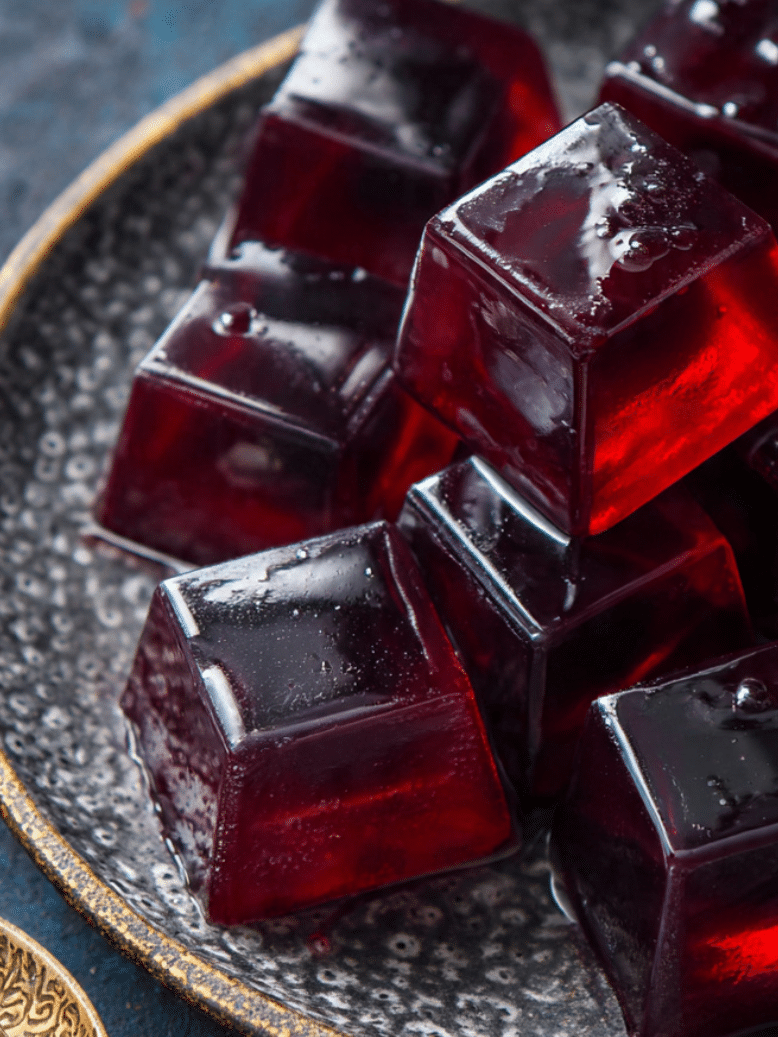
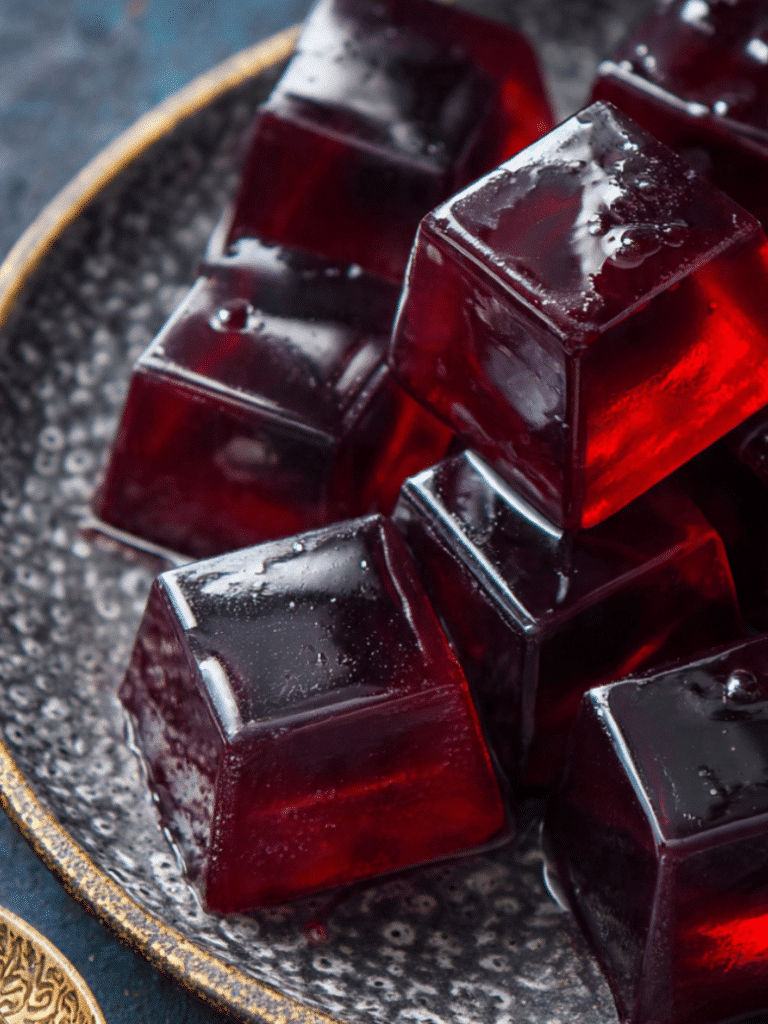
The first time I worked with gelatin in my kitchen, I honestly thought it would be complicated. But it turned out to be one of the most simple and useful ingredients I keep in my pantry.
Hi there, I’m Lora, the home cook behind Cheflora Recipes. I love sharing comforting recipes that anyone can make without stress. My kitchen philosophy stays the same every day: great food does not need fancy steps. It only needs the right touch and a little patience.
This Korean gelatin guide started after readers asked me about gelatin recipes on Cheflora. Many people discovered gelatin through recipes like the gelatin drink trick and wellness recipes. For example, readers often try recipes like the gelatin drink shared in my guide to the gelatin trick recipe or the lighter meal version found in the gelatin weight loss recipe.
Some readers even combine gelatin recipes with nutrition-focused meals like the high-protein option explained in the bariatric gelatin recipe. Others enjoy experimenting with functional recipes such as the nutrient-focused approach discussed in the Dr. Mark Hyman gelatin recipe.
What surprised me most is how many cultures use gelatin differently. Korean cooking often focuses on balanced texture and nourishment. Gelatin plays a small but meaningful role in broths, desserts, and wellness-style foods.
This guide answers the questions readers ask most often:
- What exactly is Korean gelatin?
- Why do Korean recipes use it so often?
- Which gelatin powder works best?
- How can beginners start cooking with it?
You will also see how gelatin connects with other simple kitchen traditions. Many readers who enjoy gelatin recipes also enjoy simple household cooking tricks like the natural ingredient methods shared in the baking soda trick or honey-based recipes such as the natural remedy discussed in the Canaan honey trick.
By the end of this Korean gelatin guide for beginners, you will understand:
- what Korean gelatin is
- why it matters in cooking and wellness
- who benefits from using it
- when to add it to recipes
- how to prepare it correctly
A reader recently shared this message after trying gelatin recipes from Cheflora:
“I always thought gelatin was only for desserts. After reading Lora’s guides, I started adding it to soups and drinks. It made my meals feel richer and more satisfying.” — Emily R., reader
Moments like that remind me why I love sharing recipes. When one ingredient can transform simple meals into comforting food, it deserves a clear guide.
Next, we will start the practical part of this Korean gelatin guide for cooking, beginning with the basics: what Korean gelatin is and why it became so popular.
go
Table of Contents
KEY TAKEAWAYS: What You Need To Know
Korean gelatin guide explains how gelatin works in Korean cooking, wellness recipes, and simple home meals. Gelatin gives foods a smooth texture, adds body to broths, and appears in desserts and health-focused recipes.
Quick facts about Korean gelatin:
- What it is: A natural protein used to thicken, set, or enrich food.
- Why it matters: It improves texture and adds nourishment to soups, desserts, and drinks.
- Who it’s for: Home cooks, beginners, and anyone interested in simple healing foods.
- When to use it: In broths, chilled desserts, protein drinks, and wellness recipes.
- How to start: Choose good gelatin powder, bloom it in cold water, then add it to warm dishes.
Many readers also combine gelatin with simple ingredient traditions. Some experiment with mineral-based methods like the recipe explained in the blue salt trick or balanced flavor techniques like the approach discussed in the pink salt trick. These simple ideas show how everyday ingredients can transform meals.
What Is Korean Gelatin and Why Do People Use It?
Korean gelatin refers to gelatin used in Korean-style cooking, broths, desserts, and wellness foods. It thickens liquids, adds a silky texture, and supports nourishing meals that focus on comfort and balance.
In many Korean kitchens, texture matters as much as flavor. Gelatin helps create that signature smooth mouthfeel found in soups, chilled dishes, and herbal preparations.
What Korean Gelatin Means in Traditional and Modern Cooking
In traditional cooking, gelatin usually comes from slow-simmered bones and connective tissue. Long cooking releases collagen, which turns into gelatin when cooled.
That process gives dishes their famous silky consistency.
Some traditional Korean dishes naturally contain gelatin because of this slow cooking style. Bone broths and soups often develop a soft gel once chilled.
Modern cooking makes the process easier. Instead of simmering bones for hours, many cooks use gelatin powder or sheets.
Here is a quick comparison:
| Type of Gelatin | Common Use |
|---|---|
| Gelatin Powder | Drinks, desserts, quick recipes |
| Gelatin Sheets | Fine desserts and jellies |
| Natural Bone Gelatin | Broths and soups |
Because of this flexibility, gelatin now appears in many modern wellness recipes.
Readers at Cheflora often add gelatin to drinks or light meals for protein support. For example, some try the natural recipe discussed in the honey trick recipe for memory loss or combine gelatin with natural sweeteners for balanced flavor.
The result is simple: better texture, richer taste, and comforting food.
Why Gelatin Became Popular in Korean Kitchens
Gelatin became popular for several reasons.
First, Korean cuisine values slow cooking and nourishment. Bone broths, soups, and herbal dishes often focus on ingredients that support recovery and daily strength.
Gelatin naturally appears in these dishes because collagen breaks down during long cooking.
Second, gelatin improves texture. Korean meals often balance multiple textures in one table setting. A soft jelly dessert, a rich broth, and a crisp vegetable dish can all appear together.
Third, gelatin fits modern wellness routines. Many people look for simple protein sources that blend easily into drinks or soups.
That is why the Korean gelatin guide for cooking and healing attracts attention today.
Nutrition experts also recognize gelatin as a protein derived from collagen. According to the U.S. Department of Agriculture, gelatin contains amino acids that support connective tissues and digestion in balanced diets.
Historically, gelatin-based foods appear across many cultures. The broader culinary history of gelatin can be found in its overview on Wikipedia Gelatin.
Today, Korean-inspired gelatin recipes mix tradition with convenience. Powdered gelatin allows anyone to prepare similar textures without long cooking times.
For beginners, the key idea is simple:
Gelatin transforms liquid into something richer, smoother, and more satisfying.
Korean Gelatin Guide for Beginners
Korean gelatin guide for beginners explains the easiest way to start cooking with gelatin. Beginners only need to understand three basics: the type of gelatin, how to prepare it, and where to use it in everyday meals. Once you know these steps, the Korean gelatin guide becomes simple to follow in any kitchen.
Many people feel nervous when trying gelatin for the first time. In reality, gelatin is one of the most simple ingredients to work with. When used correctly, it turns soups, drinks, and desserts into smooth and comforting foods.
Types of Gelatin Used in Korean Recipes and Herbal Preparations
A complete Korean gelatin guide always begins with understanding the types of gelatin available. Different types work better for different recipes.
Most home cooks use gelatin powder, while professional kitchens sometimes use gelatin sheets. Traditional Korean cooking also produces natural gelatin from bone broths.
Here is a helpful Korean gelatin guide chart beginners can follow.
| Gelatin Type | Best Use in Korean Gelatin Guide |
|---|---|
| Gelatin Powder | Daily cooking, drinks, quick recipes |
| Gelatin Sheets | Desserts and delicate jelly textures |
| Bone Broth Gelatin | Traditional soups and healing meals |
In many Korean homes, gelatin appears naturally in slow-cooked broths. As bones simmer for hours, collagen turns into gelatin. When the broth cools, it forms a soft gel.
Modern cooks often prefer powdered gelatin because it works faster. This is why most Korean gelatin guide for cooking tutorials recommend gelatin powder for beginners.
Many Cheflora readers enjoy trying gelatin in wellness recipes. Some start with a drink recipe like the one explained in the gelatin trick recipe, while others prefer lighter meals like the recipe described in the gelatin weight loss recipe.
For people following structured nutrition plans, gelatin also fits into recipes such as the protein-focused approach shared in the bariatric gelatin recipe.
These examples show how the Korean gelatin guide for beginners works in real kitchens.
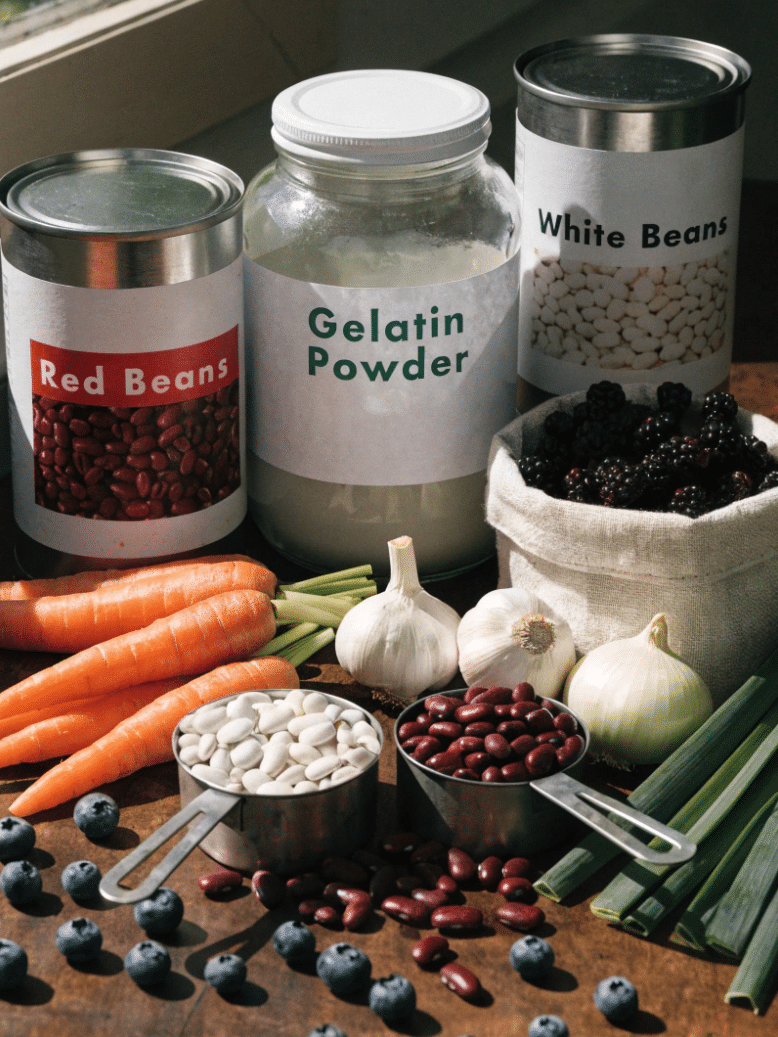
How Beginners Start Using Gelatin in Drinks, Soups, and Desserts
The most important step in every Korean gelatin guide is learning how to prepare gelatin correctly. The process is easy and takes only a few minutes.
Most recipes follow three simple steps.
Step 1: Bloom the gelatin
Sprinkle gelatin powder into cold water and let it sit for about 5 minutes. This step allows the gelatin to absorb water and soften.
Step 2: Warm the mixture
After blooming, gently warm the mixture. Heat dissolves the gelatin and activates its thickening ability.
Step 3: Add it to your recipe
Once dissolved, mix the gelatin into soups, drinks, or desserts.
This basic process appears in almost every Korean gelatin guide for cooking.
Beginners often start with very simple dishes such as:
- gelatin tea drinks
- fruit jelly desserts
- protein gelatin snacks
- gelatin broths
Many readers also experiment with flavor combinations. For example, natural sweeteners like honey pair well with gelatin recipes. Some readers combine gelatin drinks with simple traditions like the method discussed in the Canaan honey trick.
Others balance flavors with mineral ingredients, similar to the techniques explained in the pink salt trick or the mineral-focused method discussed in the pink sal diet.
These combinations show how flexible the Korean gelatin guide for beginners can be.
Many people also ask whether gelatin has nutritional value. Gelatin mainly contains protein derived from collagen. The U.S. Department of Agriculture explains that gelatin provides amino acids that support connective tissues and digestion in balanced diets.
For historical context, gelatin has been used in cooking for centuries. Its culinary history and preparation methods are described in detail on Wikipedia Gelatin.
The key takeaway from this Korean gelatin guide section is simple:
Gelatin is easy to prepare, flexible in recipes, and beginner friendly.
Once you understand how to bloom and dissolve gelatin, you can start adding it to a wide variety of foods.
How to Choose the Best Gelatin Powder
Korean gelatin guide readers often ask one important question: which gelatin powder works best? The answer depends on how you plan to use gelatin. For most recipes in this Korean gelatin guide, high-quality gelatin powder works best because it dissolves easily and blends well with drinks, soups, and desserts.
Choosing the right gelatin improves both texture and flavor. A good gelatin creates a smooth structure without leaving a strong taste. This is why every Korean gelatin guide for cooking recommends selecting clean, simple gelatin with minimal additives.
When beginners follow a Korean gelatin guide for beginners, they usually start with unflavored gelatin powder. It works for both sweet and savory dishes.
Which Gelatin Powder Is Best for Cooking and Daily Use?
The best gelatin powder in a Korean gelatin guide has three important qualities:
- Neutral flavor
- Good dissolving ability
- Reliable setting strength
These characteristics make the gelatin easy to use in everyday cooking.
Below is a helpful Korean gelatin guide chart to compare options.
| Gelatin Type | Best Use According to Korean Gelatin Guide |
|---|---|
| Unflavored Gelatin Powder | Drinks, soups, wellness recipes |
| Grass-Fed Gelatin Powder | Healing recipes and protein drinks |
| Dessert Gelatin Mix | Sweet jellies and flavored desserts |
Many people using the Korean gelatin guide for healing prefer grass-fed gelatin powder because it contains fewer additives.
At Cheflora Recipes, readers often test gelatin powder through easy recipes. Some begin with the simple preparation shown in the gelatin trick recipe. Others prefer nutrition-focused recipes such as the one discussed in the Dr. Mark Hyman gelatin recipe.
These examples help beginners apply the Korean gelatin guide for cooking in real life.
Gelatin Powder vs Sheets vs Herbal Gelatin Explained
Another important topic in this Korean gelatin guide involves understanding the differences between gelatin forms.
Each type works slightly differently in recipes.
Gelatin Powder
Gelatin powder appears most often in a Korean gelatin guide for beginners. It dissolves easily, stores well, and works in drinks, soups, and desserts.
Gelatin Sheets
Gelatin sheets appear mostly in pastry kitchens. They produce very smooth textures and are often used in delicate desserts.
Herbal Gelatin Alternatives
Some recipes use plant-based options instead of gelatin. Agar-agar, derived from seaweed, appears in many Asian desserts.
However, agar behaves differently than gelatin. It creates a firmer texture and requires boiling to activate.
Because of this difference, most Korean gelatin guide for cooking tutorials still recommend traditional gelatin when possible.
Historically, gelatin has played an important role in cooking across many cultures. The process of extracting gelatin from collagen and its culinary uses are described in detail in the gelatin overview on Wikipedia.
Nutrition experts also recognize gelatin as a protein source derived from collagen. According to the U.S. Department of Agriculture, gelatin contributes amino acids that support connective tissue and digestion when included in balanced meals.
The practical lesson from this Korean gelatin guide section is simple:
Choose clean gelatin powder for daily cooking and simple recipes.
Once you select the right gelatin, you can focus on flavor and creativity. Many readers combine gelatin with simple ingredient traditions like honey recipes or natural kitchen methods. Some even experiment with flavor combinations inspired by mineral seasoning techniques such as the method explained in the blue salt trick.
Basic Korean Gelatin Preparation Guide
Equipment
- Small bowl
- spoon
- small saucepan or microwave-safe container
- measuring spoons
Ingredients
- 1 tbsp unflavored gelatin powder
- 60 ml cold water (for blooming gelatin)
- 250 ml warm liquid such as tea, broth, or juice
Instructions
- Sprinkle the gelatin powder evenly over the cold water in a small bowl. Let it sit for about 5 minutes so the gelatin absorbs the water and softens.
- Place the bloomed gelatin mixture over low heat or add a small amount of warm liquid. Stir gently until the gelatin completely dissolves.
- Add the dissolved gelatin mixture to your chosen recipe such as tea, broth, juice, or dessert base.
- If preparing desserts or jellies, pour the mixture into containers and refrigerate until set.
Notes
Nutrition
Korean Gelatin Guide for Cooking and Flavor
Korean gelatin guide explains how to make gelatin taste better while keeping its smooth texture. The key is balancing gelatin with natural flavors such as fruit, broth, honey, and light seasonings. When used correctly, gelatin adds body to food without overpowering the taste.
Many beginners worry that gelatin will taste bland. In reality, the Korean gelatin guide for cooking shows that gelatin acts like a flavor carrier. It absorbs surrounding ingredients and helps them feel richer.
This is why gelatin appears in drinks, soups, desserts, and wellness recipes across many Korean-style meals.
How to Make Gelatin Taste Better in Sweet and Savory Dishes
The best tip in any Korean gelatin guide is simple: pair gelatin with strong natural flavors.
Because gelatin has a neutral taste, it blends well with many ingredients.
Here are some popular flavor combinations used in the Korean gelatin guide for beginners:
- Honey and ginger for warm wellness drinks
- Fruit juices for refreshing gelatin desserts
- Bone broth for nourishing soups
- Green tea for light gelatin drinks
- Citrus and herbs for refreshing snacks
Sweet gelatin recipes often combine fruit and honey. Some Cheflora readers experiment with recipes inspired by natural honey traditions such as the one described in the honey trick recipe for memory loss.
Savory gelatin recipes usually appear in broths. Bone broths naturally contain gelatin after long cooking. When chilled, they develop a soft jelly texture that melts again when warmed.
Flavor balance matters in savory dishes. Many cooks add mineral-rich seasonings like sea salt or pink salt. Some readers experiment with seasoning methods like the approach discussed in the pink salt trick.
Below is a helpful Korean gelatin guide chart for flavor pairings.
| Flavor Type | Best Pairings in Korean Gelatin Guide |
|---|---|
| Sweet | Honey, fruit juice, berries |
| Savory | Bone broth, herbs, mild spices |
| Wellness Drinks | Tea, lemon, ginger |
These combinations help beginners follow the Korean gelatin guide for cooking without complicated techniques.
Popular Korean Gelatin Recipes and Everyday Kitchen Uses
Another important part of the Korean gelatin guide is understanding where gelatin fits in everyday cooking.
Gelatin appears in several types of recipes:
Gelatin drinks
These drinks mix gelatin with warm liquids like tea or lemon water. Many people use them as part of wellness routines.
Gelatin desserts
Fruit gelatin desserts are simple and refreshing. They require only juice, gelatin powder, and a few hours of chilling.
Gelatin broths
Slow-cooked broths naturally contain gelatin. These broths appear in many traditional Korean dishes.
Protein gelatin snacks
Some people prepare gelatin snacks as part of weight-control routines.
For example, Cheflora readers sometimes try lighter recipes such as the method explained in the gelatin weight loss recipe.
Others experiment with nutrition-focused recipes like the preparation discussed in the bariatric gelatin recipe.
These examples show how flexible the Korean gelatin guide for beginners can be.
Historically, gelatin has played a role in both desserts and savory cooking. The broader culinary background of gelatin and its preparation appears in its Wikipedia entry Gelatin.
From a nutrition perspective, gelatin provides protein derived from collagen. According to the U.S. Department of Agriculture, gelatin contains amino acids that support connective tissues when included as part of a balanced diet.
The main lesson from this Korean gelatin guide for cooking is clear:
Gelatin improves texture while allowing other ingredients to shine.
With the right flavor pairings, gelatin becomes a powerful ingredient for both comforting meals and light desserts.
Korean Gelatin Guide for Healing and Weight Loss
Korean gelatin guide shows how gelatin appears in wellness routines, recovery meals, and balanced diets. Gelatin contains protein derived from collagen, which many people include in light meals, soups, and drinks. Because it dissolves easily and blends with many foods, the Korean gelatin guide for healing often recommends gelatin for simple nourishing recipes.
Many traditional Korean meals focus on foods that feel comforting and easy to digest. Broths, herbal drinks, and soft-textured dishes appear often in these routines. Gelatin naturally fits these foods because it adds body, smooth texture, and mild protein support.
This section of the Korean gelatin guide for cooking and healing explains why gelatin has gained attention in wellness-style recipes.
Why Gelatin Appears in Wellness Routines and Traditional Remedies
The Korean gelatin guide often connects gelatin with traditional broth-based meals. In many cultures, slow-cooked bone broths release collagen, which converts to gelatin during cooking.
When the broth cools, it forms a soft gel. This texture shows that gelatin has developed naturally.
Many people consider gelatin-rich broths comforting foods during recovery periods. The soft texture makes them easy to consume, and the broth carries flavor well.
Here are common foods mentioned in the Korean gelatin guide for healing:
- bone broth soups
- gelatin tea drinks
- protein gelatin desserts
- herbal gelatin jellies
Many readers also combine gelatin with natural sweeteners. Honey often appears in wellness-style drinks because it balances flavor.
Some Cheflora readers experiment with honey-based recipes such as the preparation described in the Canaan honey trick. Others combine gelatin drinks with light mineral seasoning methods similar to the technique discussed in the blue salt trick.
These small ingredient adjustments help create balanced flavors in gelatin drinks.
Nutrition sources explain that gelatin contains amino acids derived from collagen. According to the U.S. Department of Agriculture, gelatin contributes protein components that play a role in connective tissue structure when included in balanced diets.
The culinary and nutritional background of gelatin also appears in the general overview of gelatin on Wikipedia Gelatin.
The key point in this Korean gelatin guide for healing is simple:
Gelatin works well in foods that focus on comfort, smooth texture, and nourishment.
How Gelatin Supports Weight Control and Recovery Meals
Another common topic in the Korean gelatin guide is the use of gelatin in lighter meals. Because gelatin contains protein and minimal fat, some people include it in structured eating routines.
For example, gelatin can appear in:
- protein drinks
- light desserts
- meal-support snacks
- low-calorie soups
Many readers explore gelatin as part of weight-focused meal planning. Some try simple drinks or snacks that combine gelatin with fruit or tea.
At Cheflora Recipes, readers often test recipes like the preparation described in the gelatin weight loss recipe. These recipes use gelatin to create filling but light foods.
Some people following medical nutrition plans also experiment with gelatin-based recipes. For example, readers sometimes use structured protein recipes such as the one explained in the bariatric gelatin recipe.
Below is a simple Korean gelatin guide chart showing common uses.
| Gelatin Use | Purpose in Korean Gelatin Guide |
|---|---|
| Gelatin Drinks | Light protein support |
| Gelatin Desserts | Low-calorie sweet option |
| Gelatin Broths | Comforting recovery meals |
The Korean gelatin guide for beginners encourages starting with small amounts. A teaspoon or tablespoon of gelatin powder can transform liquids into thicker, more satisfying foods.
As readers become comfortable with gelatin cooking, they often experiment with different flavors, textures, and meal types.
The biggest lesson from this section of the Korean gelatin guide is clear:
Gelatin adds protein and structure to simple meals without complicated preparation.
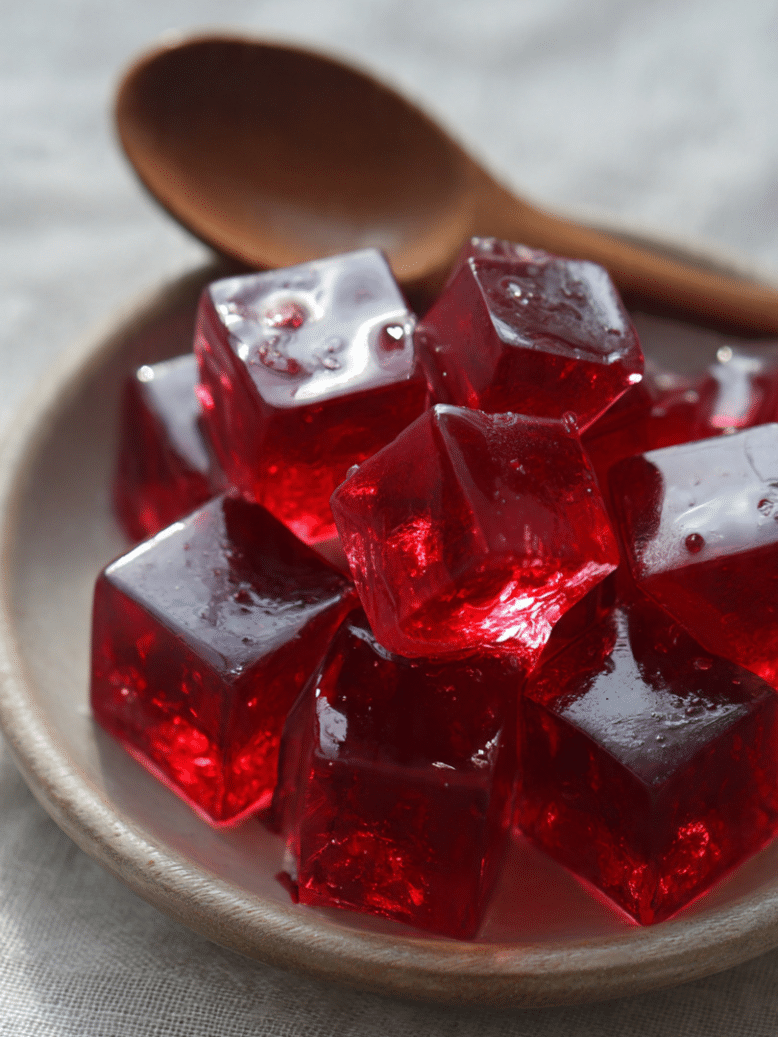
FAQs
Why Is Gelatin So Popular in Korea?
Korean gelatin guide explains that gelatin became popular in Korea because it naturally appears in traditional bone broths and nourishing soups. Many Korean meals focus on comfort foods with smooth textures, and gelatin helps create that signature silky consistency.
Slow-cooked broths release collagen from bones, which turns into gelatin during cooking. When the broth cools, it forms a soft gel. This texture shows that gelatin has developed naturally in the dish.
Another reason gelatin appears frequently in Korean meals is texture balance. Korean cuisine often combines crisp vegetables, soft rice, and smooth soups in the same meal.
Modern cooking has made gelatin even easier to use. Powdered gelatin allows home cooks to create similar textures without long cooking times. That convenience explains why the Korean gelatin guide for beginners continues to gain attention today.
Which Gelatin Powder Is Best?
According to the Korean gelatin guide, the best gelatin powder is unflavored gelatin with strong dissolving ability and neutral taste. This type blends easily with both sweet and savory recipes.
Good gelatin powder should have three qualities:
Neutral flavor that does not affect recipes
Reliable setting strength for smooth texture
Simple ingredient list with minimal additives
Many beginners choose standard unflavored gelatin powder because it works in drinks, desserts, and broths.
For example, readers who follow the Korean gelatin guide for cooking often start with simple gelatin recipes like the preparation shown in the gelatin trick recipe. This type of recipe demonstrates how easily gelatin powder dissolves in warm liquids.
Once beginners feel comfortable, they often experiment with different gelatin types and recipes.
How Do You Make Gelatin Taste Better?
The Korean gelatin guide recommends pairing gelatin with flavorful ingredients. Gelatin itself has almost no taste, which makes it easy to blend with sweet or savory foods.
The best way to improve gelatin flavor is by adding natural ingredients such as:
Fruit juice for desserts
Honey or citrus for drinks
Bone broth and herbs for savory dishes
Tea or ginger for wellness recipes
Many Cheflora readers enjoy adding honey to gelatin drinks because it balances flavor and sweetness. Some experiment with combinations inspired by natural ingredient traditions such as the method described in the honey trick recipe for memory loss.
Another common method involves seasoning gelatin broths with mineral salts. Some readers explore flavor techniques similar to the approach discussed in the pink salt trick.
The Korean gelatin guide for cooking focuses on simple combinations so beginners can easily improve gelatin flavor.
What Is a Good Substitute for Herbal Gelatin?
The Korean gelatin guide explains that agar-agar is the most common substitute for herbal gelatin. Agar comes from seaweed and appears frequently in Asian desserts.
Unlike gelatin, agar creates a firmer texture and requires boiling to activate. This difference means recipes may need small adjustments when using agar instead of gelatin.
Most Korean gelatin guide for beginners tutorials still recommend traditional gelatin when possible because it produces the classic soft texture used in broths and desserts.
Final Thoughts on Using the Korean Gelatin Guide
Korean gelatin guide helps home cooks understand how gelatin works in everyday cooking, healing-style meals, and simple desserts. Gelatin adds smooth texture, mild protein, and structure to foods while staying easy to prepare. Anyone can start using gelatin with just a few basic steps.
This Korean gelatin guide shows that gelatin is not complicated. It works in broths, drinks, snacks, and light desserts. With the right preparation method and flavor combinations, gelatin becomes a practical ingredient for daily cooking.
Who This Korean Gelatin Guide Is For and When to Use It
This Korean gelatin guide for beginners is designed for anyone who wants simple, comforting recipes.
It is especially helpful for:
- Home cooks looking for easy ingredients
- Beginners learning basic cooking techniques
- Readers interested in wellness-style meals
- People exploring gelatin for light recipes or balanced diets
Gelatin works well in many everyday situations. Many people use it in:
- morning drinks
- light desserts
- protein snacks
- nourishing broths
Readers of Cheflora Recipes often start experimenting with gelatin after trying simple recipes. Some begin with easy drinks like the recipe explained in the gelatin trick recipe, while others test structured nutrition meals like the preparation described in the bariatric gelatin recipe.
Some readers also combine gelatin recipes with natural ingredients such as honey or minerals. For example, flavor techniques similar to the method discussed in the blue salt trick or the seasoning approach described in the pink sal diet can help balance taste in gelatin dishes.
These small adjustments make the Korean gelatin guide for cooking flexible for many kitchen styles.
Simple Steps to Start Cooking With Gelatin Today
The easiest way to follow this Korean gelatin guide is to begin with the basic preparation method.
Step 1: Choose gelatin powder
Unflavored gelatin powder works best for beginners. It dissolves quickly and blends with many recipes.
Step 2: Bloom the gelatin
Add gelatin powder to cold water and let it sit for a few minutes. This softens the gelatin.
Step 3: Warm the mixture
Gently warm the mixture so the gelatin dissolves completely.
Step 4: Add to recipes
Mix the dissolved gelatin into drinks, soups, or desserts.
This simple method forms the foundation of every Korean gelatin guide for cooking.
Over time, you can experiment with more recipes and flavors. Many readers enjoy trying gelatin in fruit desserts, herbal drinks, or broth-based meals.